
Beautiful Plants For Your Interior
Beautiful Plants For Your Interior
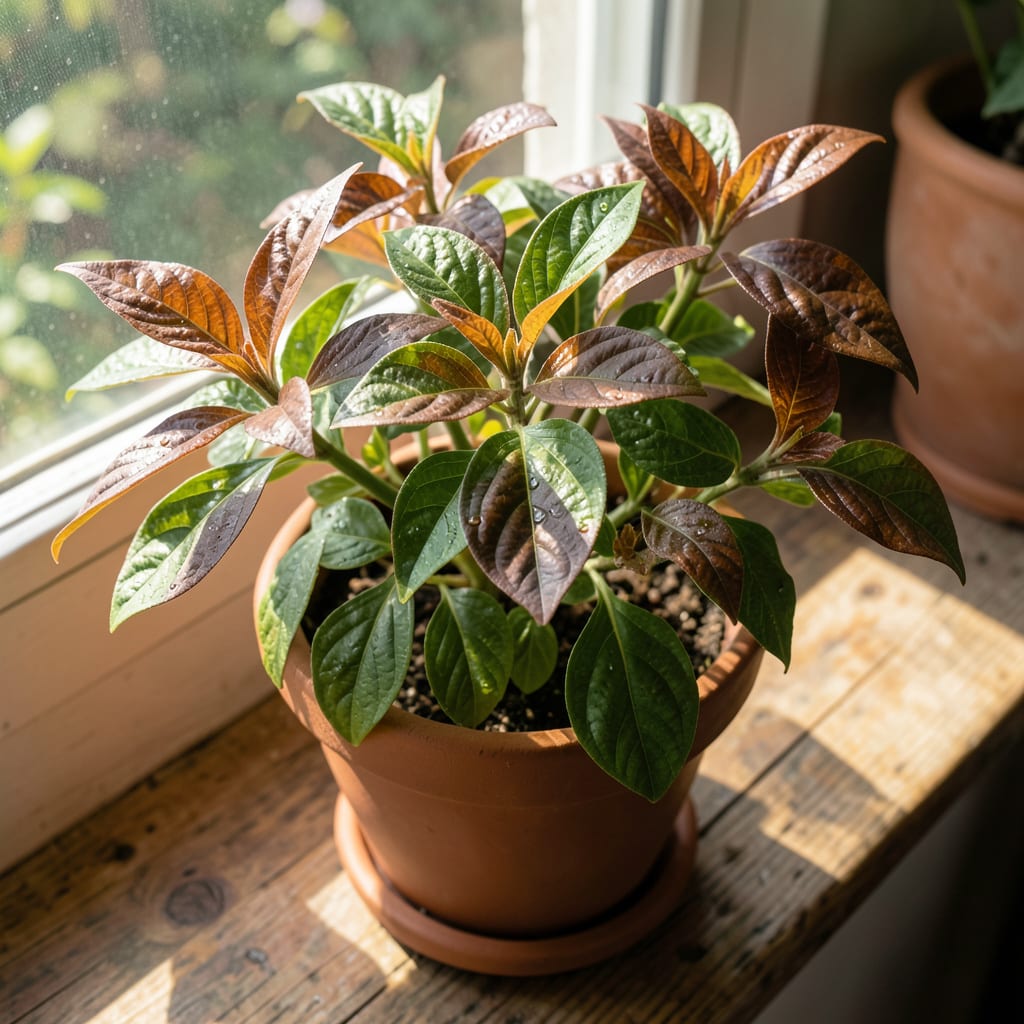
Brown tulsi leaves usually signal one of three issues: overwatering, underwatering, or soil pH problems. I’ve seen all three in my own garden, and each has a distinct pattern.
Overwatered plants develop soft, yellowing leaves that turn brown at the edges. Underwatered ones get crispy, curling tips. Both are fixable with a simple soil check and adjusted watering routine.
Soil pH is trickier. Tulsi thrives in slightly acidic to neutral soil. If yours is too alkaline, the roots can’t absorb nutrients, and leaves brown from the center outward.
Here’s the thing—most cases improve within 7-10 days once you address the root cause. Let’s start with the easiest fixes first.
Brown leaves on your tulsi plant are a distress signal, often tied to environmental or care-related stressors. Below are the most common causes, explained with actionable insights.
Tulsi thrives in consistently moist but well-drained soil. Overwatering suffocates roots, reducing oxygen uptake and leading to root rot, which manifests as brown, wilted leaves. Conversely, underwatering causes dehydration, turning leaf edges crispy and brown. Check soil moisture 1–2 inches deep—water only if dry.
Tulsi is sensitive to temperature swings. Exposure to frost (below 50°F/10°C) or intense afternoon sun (above 95°F/35°C) triggers leaf scorch. Brown patches often appear on the outer edges first. Move potted tulsi to partial shade during heatwaves or indoors if temperatures drop.
Tulsi prefers slightly acidic to neutral soil (pH 6.0–7.5). Alkaline soil (pH > 8.0) locks out essential nutrients like iron and manganese, causing interveinal chlorosis (yellowing between veins) followed by browning. Test soil with a pH kit and amend with compost or sulfur to lower pH if needed.
Sap-sucking pests like aphids, spider mites, or whiteflies drain nutrients from leaves, leaving behind brown spots or stippling. Inspect the undersides of leaves for webbing or sticky residue (honeydew). Treat with neem oil spray or insecticidal soap weekly until pests are gone.
A lack of magnesium, potassium, or nitrogen can cause browning. Magnesium deficiency often starts as yellowing between veins (similar to pH imbalance) before turning brown. Use a balanced organic fertilizer (e.g., 10-10-10) every 4–6 weeks during the growing season.
Reviving your tulsi plant starts with pinpointing the cause. Below are targeted fixes for common issues, paired with prevention tips to keep your plant thriving long-term.
Check the soil moisture by inserting your finger an inch deep. If it feels bone-dry, your plant is thirsty—water it thoroughly until excess drains out. If it’s soggy, halt watering and let the soil dry. For prevention, water only when the topsoil is dry, and ensure pots have drainage holes. Pro tip: Use a moisture meter for accuracy! 🌡️
Brown, crispy leaves often signal sunburn. Move your tulsi to a spot with bright, indirect sunlight (4–6 hours daily). If leaves are yellowing and brown, it may need more light—gradually reintroduce sunlight. Prevent stress by acclimating plants slowly to new light conditions.
Tulsi thrives in well-draining, slightly acidic to neutral soil (pH 6.0–7.5). Test your soil with a kit, and amend it with compost or sand if it’s too dense. For pH issues, add lime to raise pH or sulfur to lower it. Prevention tip: Repot every 12–18 months with fresh soil. ✨
Inspect leaves for pests like aphids or spider mites. Wipe leaves with a neem oil solution (1 tsp oil + 1L water + a few drops of soap) or spray with insecticidal soap. Repeat weekly until pests vanish. Prevent future attacks by keeping the plant clean and isolating new plants for a week.
Yellow-brown leaves may indicate a lack of nitrogen or magnesium. Feed your tulsi with a balanced liquid fertilizer (10-10-10) every 4–6 weeks during growing season. For a natural boost, use compost tea. Prevention: Avoid over-fertilizing—it can burn roots! 🎯
Water when the top 1-2 inches of soil feel dry. Typically, this means every 2-3 days in hot weather and every 5-7 days in cooler conditions. Always check soil moisture first to avoid overwatering.
No, once leaves turn brown they won’t recover. Remove them to redirect the plant’s energy to healthy growth. Focus on fixing the underlying issue to prevent new leaves from browning.
Use well-draining potting mix with a pH of 6.0-7.5. Amend with compost for nutrients and perlite for drainage. Avoid heavy clay soils that retain too much moisture.
Check leaf undersides for tiny bugs, webbing, or sticky residue. Common pests include aphids and spider mites. Treat immediately with neem oil or insecticidal soap.
