
Beautiful Plants For Your Interior
Beautiful Plants For Your Interior
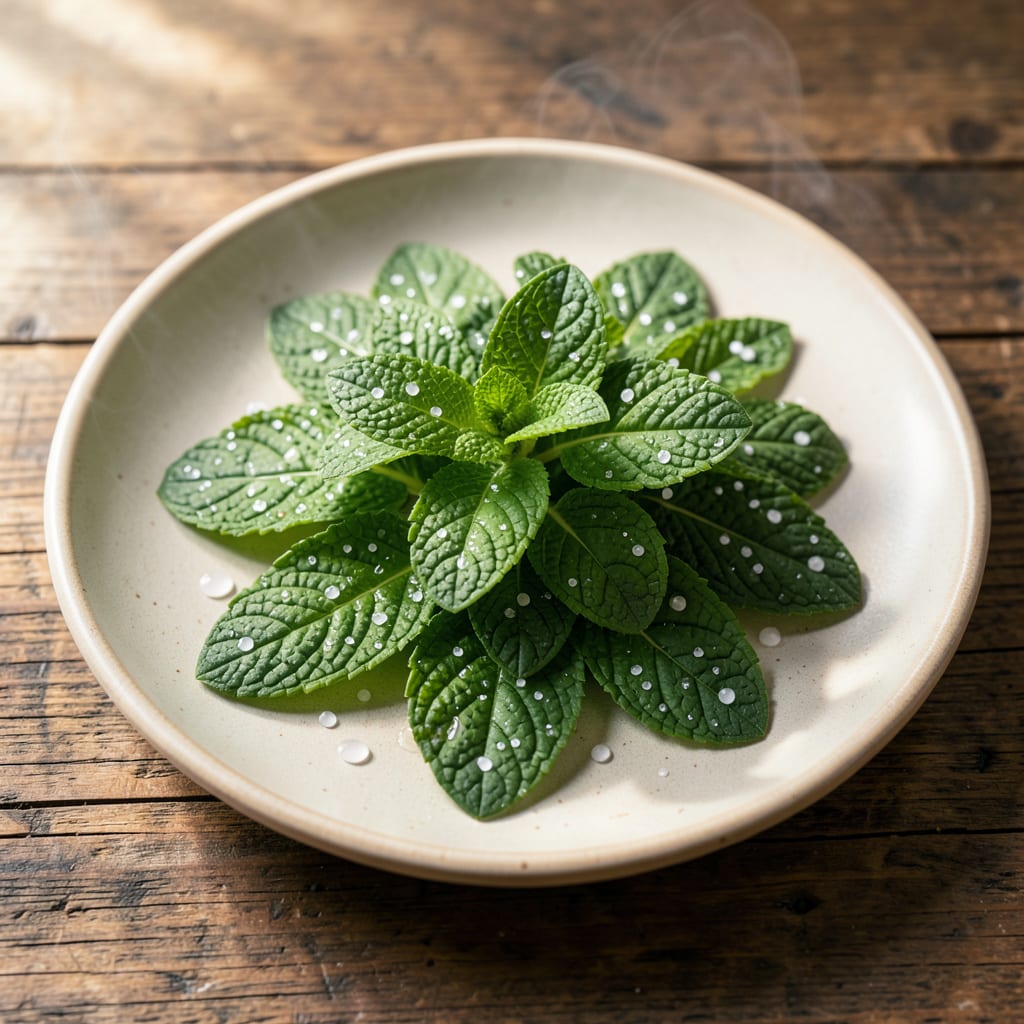
Those white dots on your mint leaves aren’t just unsightly—they’re a warning sign. I’ve seen this exact pattern before, and the good news is it’s usually fixable with quick action.
Most often, you’re dealing with either pests like spider mites or mealybugs, or a fungal issue like powdery mildew. Each leaves slightly different clues: tiny webs, cottony clusters, or a dusty coating on the leaves.
Early diagnosis is key. Left unchecked, these problems spread fast, weakening your plants and stunting growth. The sooner you identify the culprit, the easier it is to treat.
We’ll walk through how to spot the difference and what to do next—no guesswork, just clear steps.
White dots on mint leaves often signal underlying issues that disrupt the plant’s health. Below are the most common causes, explained scientifically to help you diagnose and act quickly.
These tiny arachnids (Tetranychus urticae) pierce leaf cells to feed, leaving behind stippling—tiny white or yellow dots. Their damage reduces chlorophyll, weakening the plant. Check the undersides of leaves for fine webbing, a telltale sign.
Caused by Podosphaera or Erysiphe fungi, this disease thrives in humid, warm conditions. It forms white, powdery spots that spread across leaves, stunt growth, and can defoliate mint if untreated. Poor airflow and damp foliage accelerate its spread.
Mealybugs (Pseudococcidae) excrete a white, cottony wax as they feed on sap. Their clusters appear as fuzzy white dots, often in leaf axils or stems. They also secrete honeydew, which attracts sooty mold, further stressing the plant.
If you water mint with hard water, calcium or magnesium carbonate can accumulate on leaves, forming chalky white spots. Unlike pests or diseases, these dots can be wiped off and don’t harm the plant’s health.
Dealing with white dots on your mint leaves? Here’s how to tackle the most common causes with simple, actionable fixes.
If tiny webs or speckling appear, blast leaves with water to knock off mites. Follow up with neem oil spray (mix 1 tsp oil + 1 tsp dish soap per quart of water) every 3–5 days until gone. Prevention tip: 💡 Keep humidity high—mites thrive in dry air.
For white, powdery patches, prune crowded stems to boost airflow. Spray with a baking soda solution (1 tsp baking soda + 1 quart water + few drops of soap) weekly. Prevention tip: 🌡️ Water at the base in the morning so foliage dries quickly.
Cottony white clusters? Dab bugs with alcohol-soaked cotton swabs or spray with insecticidal soap. Isolate heavily infested plants. Prevention tip: ✨ Inspect new plants before bringing them near your mint.
If dots are soft or moldy, let soil dry between waterings and switch to a pot with drainage holes. Prevention tip: 🎯 Stick your finger in the soil—water only when the top inch feels dry.
Pro tip: Always sterilize pruning tools with rubbing alcohol to avoid spreading pests or fungi between plants.
Check for fine webbing under leaves for mites. Powdery mildew looks like dusty white patches on top.
Wash leaves thoroughly first. If caused by pests, avoid eating until treated. Mineral deposits are safe to consume.
Overcrowding, poor airflow, or inconsistent watering often invite repeat issues. Improve conditions to break the cycle.
Yes, but test on a few leaves first. Apply in evening to avoid leaf burn from sun exposure.
