
Beautiful Plants For Your Interior
Beautiful Plants For Your Interior
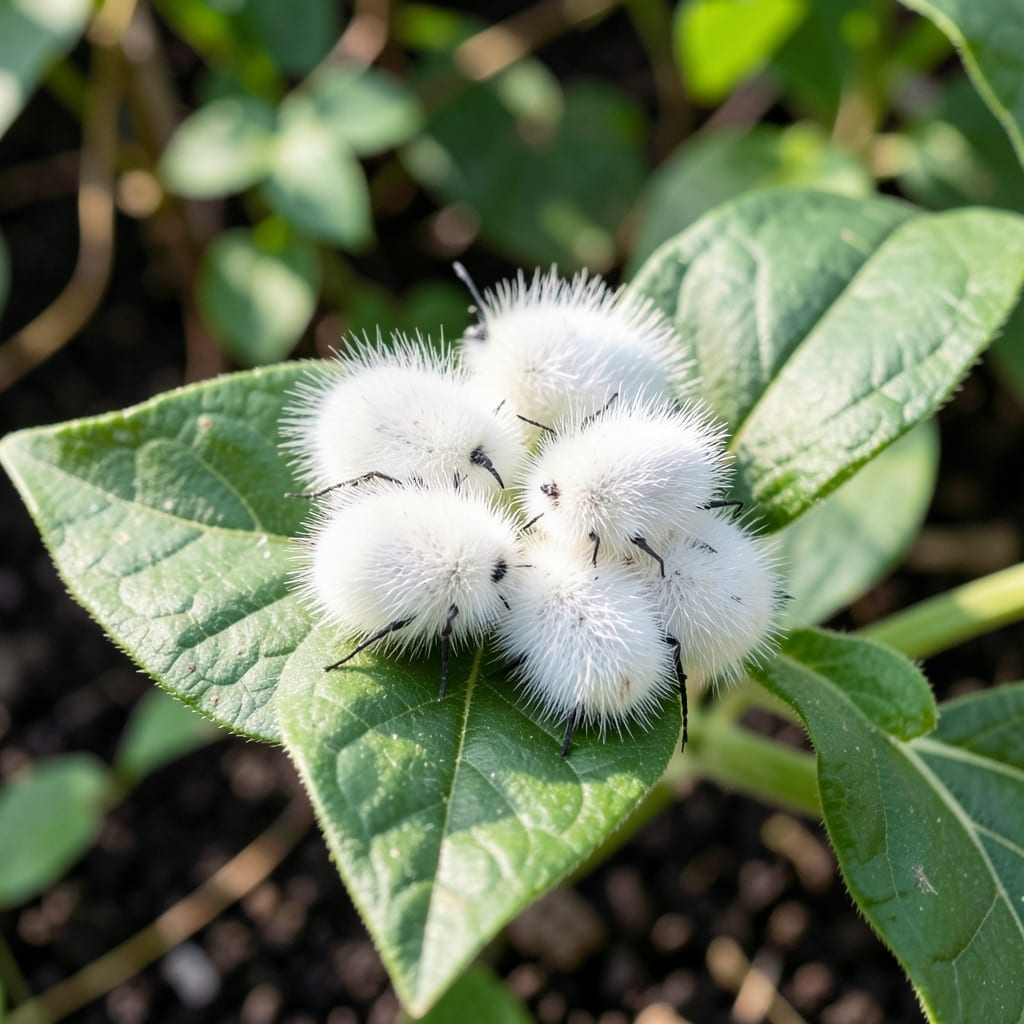
Spotted white fuzz on your Tennessee plants? Mealybugs are the usual culprits, and they spread faster than you’d expect.
These pests suck sap from leaves and stems, leaving behind sticky residue that attracts mold. I’ve lost count of how many houseplants I’ve saved by catching them early. The key is knowing what to look for—white cottony clusters in leaf axils or undersides.
Good news: you can fight back without harsh chemicals. A simple soap spray or introduced ladybugs often do the trick. Prevention starts with inspecting new plants and keeping your garden clean.
Works for indoor and outdoor plants alike. Let’s tackle this together before it gets out of hand.
White fuzzy bugs, often mealybugs, thrive in Tennessee due to a mix of environmental, biological, and human-related factors. These pests are drawn to the state’s warm, humid climate and lush plant life, which provide ideal conditions for their rapid reproduction. Below are the primary reasons behind their prevalence.
Tennessee’s subtropical climate, especially in summer, creates a perfect breeding ground for mealybugs. These pests flourish in temperatures between 70–90°F (21–32°C) and high humidity, which accelerates their life cycle. The state’s frequent rainfall and moist soil further support their survival, allowing them to infest plants year-round in greenhouses or indoor settings.
Mealybugs target weak or overcrowded plants, which are more susceptible to infestations. In Tennessee gardens, densely planted beds or poorly pruned shrubs limit airflow, creating pockets of stagnant, humid air. Stressed plants—whether from drought, nutrient deficiencies, or physical damage—also emit chemical signals that attract these pests.
Tennessee’s robust nursery and agricultural trade inadvertently spreads mealybugs. Infested plants, soil, or gardening tools can carry eggs or nymphs to new locations. Homeowners may unknowingly introduce them via new purchases from garden centers or by moving potted plants indoors during colder months. Always inspect plants before bringing them home!
In balanced ecosystems, ladybugs, lacewings, and parasitic wasps keep mealybug populations in check. However, Tennessee’s urban and suburban areas often lack these predators due to pesticide overuse or limited biodiversity. Without natural enemies, mealybug colonies grow unchecked, leading to widespread infestations.
Dealing with white fuzzy bugs in your Tennessee garden or home? Here’s how to tackle each cause with simple, effective fixes—and how to keep them from coming back.
If you spot white, cottony clusters on leaves or stems, act fast. Start by isolating the affected plant to prevent spreading. Wipe down leaves with a cotton swab dipped in rubbing alcohol (70% isopropyl) to kill visible bugs. For larger outbreaks, spray with insecticidal soap or a mix of 1 tablespoon dish soap + 1 quart water every 3–4 days until gone. 💡 Pro tip: Introduce natural predators like ladybugs or lacewings for long-term control.
Check houseplants, window sills, and stored pantry items. Discard heavily infested plants and clean nearby surfaces with soapy water or neem oil spray. For pantry pests, empty shelves and wipe them with white vinegar to remove eggs. Store food in airtight containers moving forward.
Mealybugs thrive in damp, shaded areas. Reduce mulch depth and ensure proper drainage. Apply diatomaceous earth (food-grade) around plant bases—it dehydrates bugs naturally. ✨ Prevention tip: Rotate crops and avoid overwatering to discourage future infestations.
Stay consistent, and these fuzzy invaders won’t stand a chance!
Yes, they sap plant nutrients and can stunt growth. Left untreated, heavy infestations may kill young or weak plants. They also excrete sticky honeydew that attracts mold.
Encourage natural predators like ladybugs and lacewings. Keep plants healthy and spaced for airflow. Use neem oil as a preventive spray weekly.
No, they don’t bite or transmit diseases to people. They’re only a nuisance to plants. However, some people may experience mild skin irritation from contact.
For quick results, use rubbing alcohol (70%) on visible clusters. For larger infestations, apply insecticidal soap every 3-4 days until gone.