
Beautiful Plants For Your Interior
Beautiful Plants For Your Interior
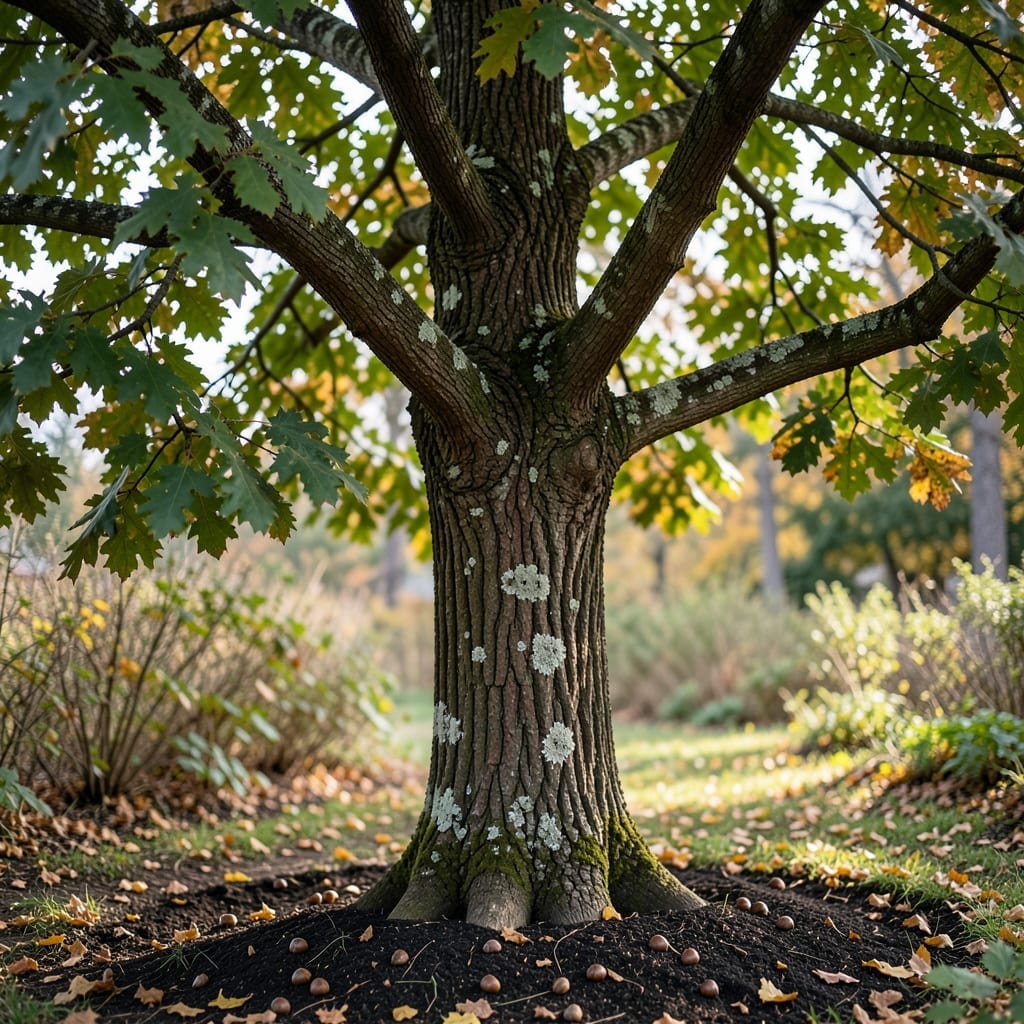
That white stuff on your tree trunk isn’t just ugly—it’s a warning sign. 🌳 I spotted it on my oak last spring and ignored it for weeks, only to watch it spread like wildfire across the bark.
Turns out, most white fungus thrives in damp, shaded conditions where air doesn’t circulate well. A little investigation revealed mine came from overwatering and poor drainage at the base. The good news? Early action can save your tree.
With the right approach, you’ll see the bark start to recover within 2-3 weeks. The key is removing the fungus completely and improving the environment so it doesn’t return.
This works for maples, oaks, and fruit trees alike. Here’s how to tackle it before it does real damage.
White fungus on tree bark is a sign of deeper issues, often tied to environmental stress or poor tree health. Here’s why it appears:
Fungi thrive in damp conditions. Overwatering, heavy rainfall, or compacted soil that traps moisture against the trunk create the perfect breeding ground. Trees in waterlogged areas or those with improper mulching (piled too high against the bark) are especially vulnerable. The fungus feeds on the bark’s organic matter, weakening the tree over time.
Trees under stress from disease, pests, or physical damage (like lawnmower cuts or improper pruning) are more susceptible. Fungus spores, always present in the environment, seize the opportunity to colonize compromised bark. A tree’s natural defenses are lowered, allowing the fungus to take hold and spread.
Lack of sunlight and airflow promotes fungal growth. Trees in dense canopies or north-facing slopes often retain moisture longer, accelerating spore germination. Poor air circulation prevents the bark from drying, giving the fungus a persistent foothold.
Leaving dead leaves, fallen branches, or rotting mulch against the trunk provides a direct food source for fungi. As these materials decompose, they harbor spores that can infect the tree. Regularly clearing debris reduces this risk significantly.
White fungus on tree trunks can be tackled with simple, practical steps. Below are targeted solutions based on common causes, along with prevention tips to keep your trees healthy and fungus-free.
Fungus thrives in damp conditions. Fix it: Trim overgrown branches to boost airflow and sunlight exposure. If the tree sits in a low-lying or waterlogged area, improve drainage by amending the soil with organic matter or installing a French drain. For potted trees, ensure the container has drainage holes and use well-draining soil.
Prevention tip: 💡 Avoid overwatering, and water the base of the tree—not the trunk—early in the day so it dries quickly.
Injured bark is a gateway for fungus. Fix it: Use a clean, sharp knife to carefully remove infected bark, cutting back to healthy tissue. Disinfect the tool with rubbing alcohol between cuts to avoid spreading spores. Apply a copper-based fungicide to the wound to prevent reinfection.
Prevention tip: ✨ Protect trunks from lawnmowers, trimmers, and animal damage by installing a tree guard or mulching around the base.
Fallen leaves, dead branches, and existing fungus can reinfect the tree. Fix it: Rake up and dispose of debris around the tree (do not compost infected material). Scrub off visible fungus from the trunk using a soft brush and a solution of 1 part bleach to 10 parts water. Rinse thoroughly afterward.
Prevention tip: 🎯 Regularly inspect your tree and prune dead or diseased branches to maintain its health.
A stressed tree is more susceptible to fungus. Fix it: Fertilize with a balanced, slow-release formula to improve vigor. Ensure the tree gets adequate water during dry spells but avoid soggy soil. For severe cases, consult an arborist to assess nutrient deficiencies or underlying issues.
Prevention tip: 🌱 Mulch around the base (but not against the trunk) to retain moisture and regulate soil temperature.
Yes, it can weaken the tree over time by breaking down bark tissue. While it may not kill the tree immediately, untreated fungus can lead to long-term damage and make the tree more vulnerable to other diseases. Act quickly for the best results.
For mild cases, scrubbing with a 1:10 bleach-water solution and a soft brush can help. However, deeper infections may require removing affected bark and applying a fungicide. Always rinse thoroughly after cleaning.
Improve airflow by trimming branches and ensure proper drainage around the base. Remove debris regularly and avoid overwatering. Mulching helps but keep it 3-4 inches away from the trunk.
A copper-based fungicide is effective for stubborn cases. Apply according to package instructions, focusing on infected areas. For organic options, neem oil can work but may require repeated applications.