
Beautiful Plants For Your Interior
Beautiful Plants For Your Interior
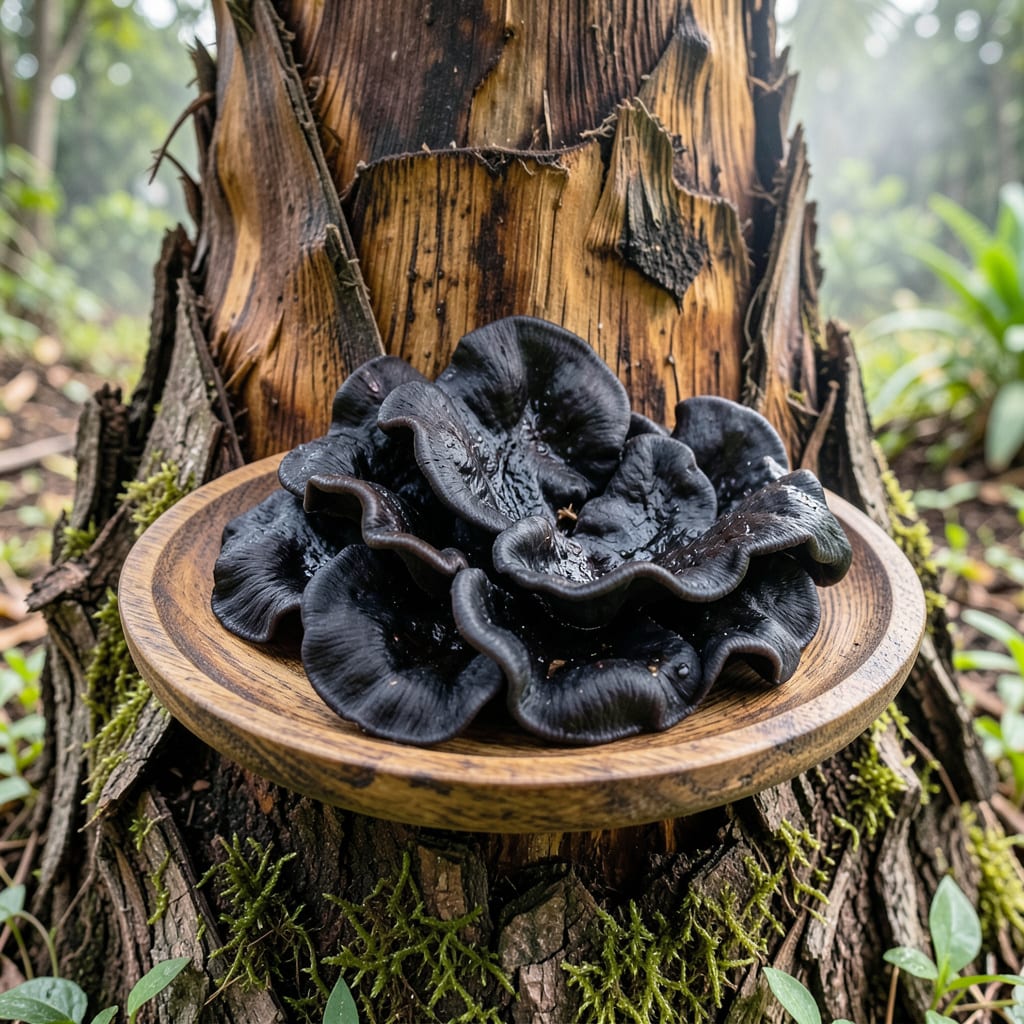
That black stuff on your palm isn’t just ugly—it’s a warning sign. I first noticed it on my 20-foot queen palm last summer, thinking it was just dirt. Turns out, it was a fungal party that could’ve killed the tree.
This usually starts with excess moisture, poor air flow, or wounded bark. The fungus spreads fast in humid weather, turning your palm’s trunk into a dark, crusty mess. Left untreated, it weakens the tree and invites pests.
Here’s the good news: it’s fixable. A little pruning, some targeted fungicide, and better watering habits can stop it in its tracks. I saved mine with 3 simple steps and a shift in my routine.
You’ll spot improvement within 2-3 weeks if you act fast. Early intervention means less damage and a stronger, healthier palm for years to come.
Black fungus on palm tree trunks, often caused by Bipolaris or Exserohilum species, thrives under specific conditions. Understanding the root causes helps prevent and manage outbreaks. Below are the primary factors contributing to its growth.
Prolonged dampness is a leading trigger. Overwatering, poor drainage, or high humidity create ideal environments for fungal spores to germinate. Palm trees in waterlogged soil or those frequently splashed with irrigation water are especially vulnerable.
Fungal spores multiply rapidly in warm climates, typically between 75–90°F (24–32°C). Tropical and subtropical regions, where palms thrive, often experience these conditions, accelerating infection spread.
Dense foliage or crowded plantings restrict airflow, trapping moisture against the trunk. This stagnant environment encourages fungal growth. Pruning lower fronds and spacing palms properly can mitigate this risk.
Over-fertilization, particularly with nitrogen-heavy formulas, weakens a palm’s natural defenses. Conversely, potassium or magnesium deficiencies stress the tree, making it more susceptible to fungal invasion. Regular soil testing ensures balanced nutrition.
Injuries from pruning, pests, or environmental stress (e.g., drought, frost) create entry points for spores. A compromised palm lacks the energy to fend off infections, so maintaining vigor through proper care is critical.
Dealing with black fungus on your palm tree trunk? Here’s how to tackle it based on the root cause:
If excess moisture is the culprit, improve drainage around the tree. Remove any standing water and amend the soil with sand or perlite. Reduce watering frequency and let the top 1-2 inches of soil dry out between waterings.
Prune nearby plants or branches blocking airflow to increase ventilation. Thin out dense foliage on the palm itself to let sunlight and air reach the trunk. This helps prevent fungal spores from settling.
Clear away leaf litter, old mulch, or organic debris piled against the trunk. These create a damp, shaded environment where fungus thrives. Keep the base of the tree clean and refresh mulch annually.
For active infections, apply a copper-based fungicide or neem oil solution to the trunk, following label instructions. Remove heavily infested bark with a clean knife and dispose of it far from the tree.
Prevention Tips: 💡
It’s generally safe but not recommended. Some fungi may cause skin irritation. Always wear gloves when handling affected areas and wash hands thoroughly afterward.
In warm, humid conditions, spores can spread within 1-2 weeks. Isolate infected trees and treat immediately to prevent contamination of nearby palms.
Yes, but only if done correctly. Remove infected fronds with sterilized tools and dispose of them far from healthy plants. Never compost fungal material.
Avoid bleach or ammonia as they can damage the tree. Stick to copper fungicides or neem oil specifically formulated for plant use.
