
Beautiful Plants For Your Interior
Beautiful Plants For Your Interior
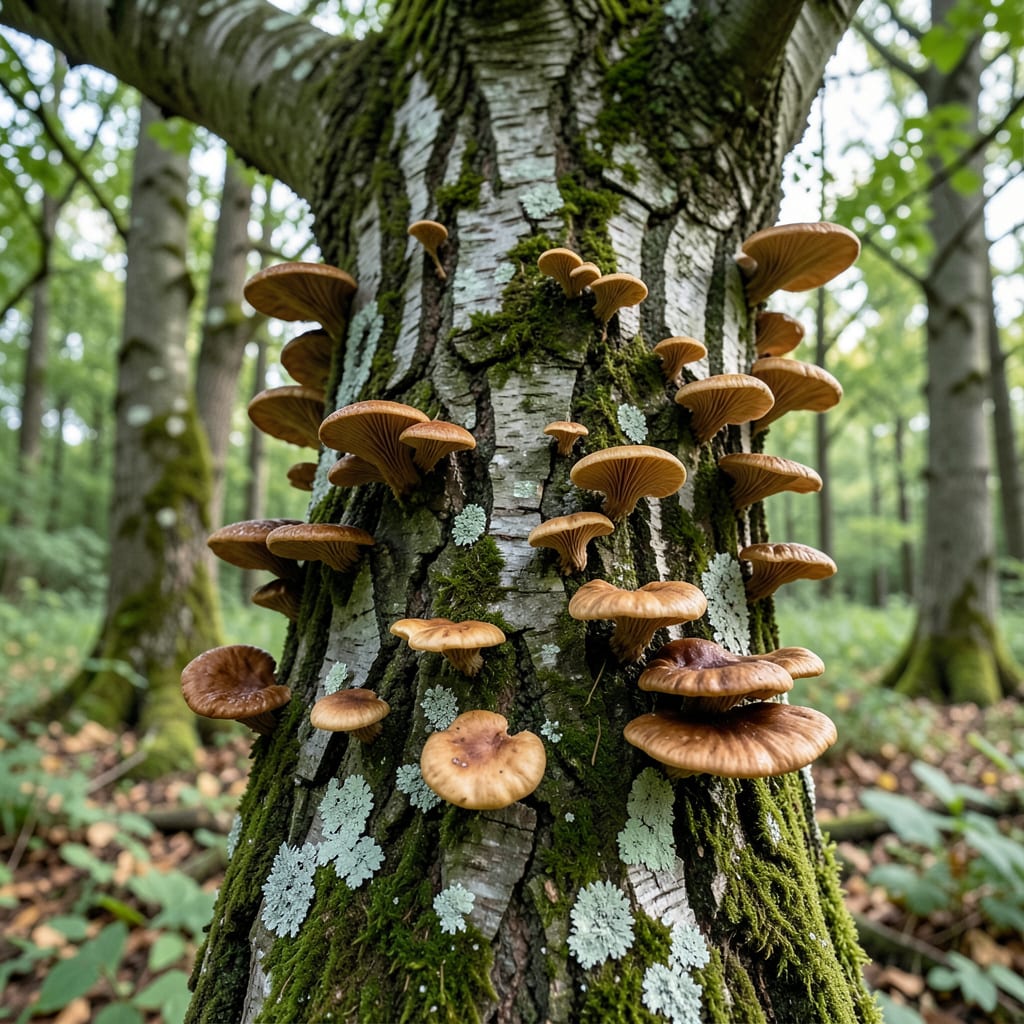
That dark, crusty patch on your apple tree trunk isn’t just ugly—it’s a warning sign. 🌱 I ignored mine for a season and lost half my harvest to spreading rot.
Most trunk fungi start as small discolorations before exploding into fruiting bodies. The good news? Early action with organic treatments can stop the damage and save your tree. You’ll need sharp eyes and 30 minutes to assess.
With the right approach, you can remove the infection, protect the bark, and prevent regrowth. My trees have been fungus-free for 4 years using these same methods.
Works for mature trees and young saplings alike. Let’s get that trunk healthy again.
Fungal infections on apple tree trunks often stem from a mix of environmental conditions, poor tree health, and pathogen exposure. Below are the primary causes, explained in detail to help you address the root of the problem.
Fungi thrive in damp environments. Prolonged wet conditions, whether from heavy rainfall, overwatering, or poor soil drainage, create the perfect breeding ground. Standing water around the trunk softens the bark, making it easier for fungal spores to penetrate. Apple trees in low-lying areas or clay-heavy soils are especially vulnerable.
Open wounds on the trunk—caused by pruning cuts, animal gnawing, or mechanical injury—provide direct entry points for fungal spores. Even small cracks or sunburnt bark (from sudden temperature swings) can invite infection. Sterilizing pruning tools and sealing large wounds with tree wound dressing can reduce this risk.
Dense canopies or overcrowded plantings trap humidity around the trunk, slowing evaporation and encouraging fungal growth. Thinning branches to improve airflow and removing fallen leaves (which harbor spores) are critical preventive steps.
Many fungal pathogens, like Neofabraea (bull’s-eye rot) or Botryosphaeria (canker), overwinter in infected wood or leaf litter. If your orchard has a history of fungal issues, spores may already be present in the soil or on nearby trees. Sanitizing the area (removing diseased plant debris) and applying copper-based fungicides in early spring can break the cycle.
Weakened trees—due to drought, nutrient deficiencies, or extreme temperatures—are less able to fend off infections. Balanced fertilization and consistent watering (without waterlogging) help maintain tree vigor, reducing susceptibility to fungal attacks.
Addressing fungus on your apple tree trunk starts with identifying the cause and applying the right fix. Below are targeted solutions for common fungal issues, paired with prevention tips to keep your tree healthy long-term.
If you spot a white, powdery coating on the trunk or branches, prune infected areas immediately to stop the spread. Disinfect your pruning tools with rubbing alcohol between cuts. Follow up with a baking soda spray (1 tbsp baking soda + 1 tsp dish soap + 1 gallon of water) applied weekly until the fungus clears. Prevention tip: 💡 Improve air circulation by thinning crowded branches and watering at the base to keep foliage dry.
Sunken, darkened, or oozing patches (cankers) require swift action. Cut out the infected bark with a clean knife, removing at least 1 inch of healthy tissue around the edge. Dispose of the debris—never compost it. Apply a copper fungicide to the wound to prevent reinfection. Prevention tip: ✨ Sterilize pruning tools after each use and avoid wounding the tree during routine care.
Dark, scaly lesions on the trunk or leaves signal apple scab. Rake and destroy fallen leaves and fruit, as they harbor spores over winter. Apply neem oil or sulfur-based fungicides in early spring before buds swell, repeating every 7–10 days during wet weather. Prevention tip: 🎯 Plant scab-resistant apple varieties like ‘Liberty’ or ‘Honeycrisp’ for long-term protection.
General care: Keep your tree vigorous with balanced fertilization and proper watering. A healthy tree resists fungal attacks better!
Scraping alone won’t eliminate the problem. You must remove at least 1 inch of healthy tissue around infected areas to prevent regrowth. Always sterilize tools after each cut.
Early spring before buds swell is ideal for preventive sprays. For active infections, treat immediately and repeat every 7-10 days during wet weather.
When used as directed, copper fungicide is safe and effective. Avoid applying during extreme heat or when leaves are wet to prevent damage.
