
Beautiful Plants For Your Interior
Beautiful Plants For Your Interior
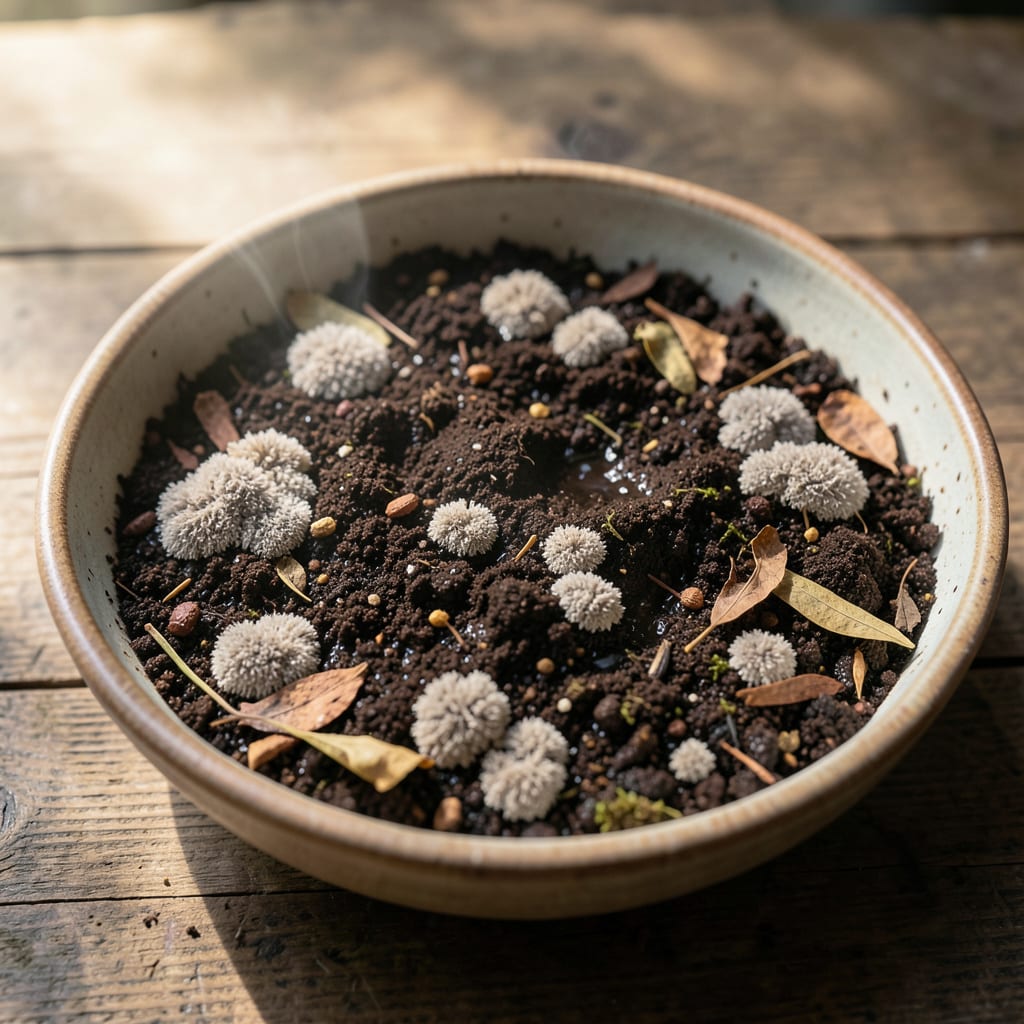
Healthy soil shouldn’t host hidden threats. I learned the hard way that fungus spores can lurk unseen, waiting to sabotage your garden when conditions turn in their favor.
Overwatering, poor drainage, or last season’s plant debris often invite these troubles. The first sign is usually wilting leaves or strange spots—your plants’ way of sounding the alarm before it’s too late.
Here’s the thing—you don’t need harsh chemicals to evict these unwelcome guests. Simple changes in watering habits, crop rotation, and soil treatment can restore balance without harming your garden’s ecosystem.
With consistent care, your soil will support thriving plants instead of harboring spores. Prevention is easier than you think, and the payoff lasts for seasons.
Fungus spores thrive in soil due to a mix of natural and environmental factors. Here’s why they appear and persist:
Soil is a hotspot for decomposing plant and animal material, which fungi break down. Spores flourish in this nutrient-rich environment, feeding on organic debris like fallen leaves, dead roots, or compost. The more organic matter present, the more food sources spores have to germinate and spread.
Overwatered or poorly drained soil creates a damp habitat ideal for fungal growth. Spores require moisture to activate and proliferate. Compacted soil or heavy clay can trap water, while frequent irrigation or rain keeps the environment consistently wet, encouraging spore survival.
Warm temperatures (60–80°F) and high humidity accelerate fungal activity. These conditions speed up spore germination and mycelium growth. Shaded areas or dense plant canopies reduce soil evaporation, maintaining the humidity spores need to thrive.
Unbalanced soil—lacking beneficial microbes or nutrients—gives fungi a competitive edge. Overuse of chemical fertilizers or pesticides can disrupt soil ecology, reducing the presence of bacteria and other organisms that naturally suppress fungal spores. Weak or stressed plants also exude sugars that attract fungi.
Spores are lightweight and easily carried by wind, water, or gardening tools. Even healthy soil can become infected when spores land and find favorable conditions. Contaminated mulch, compost, or nearby infected plants can also introduce spores into clean soil.
Fungus spores in soil can disrupt plant health, but these practical solutions can help you regain control. Below, we map common causes to targeted fixes, along with prevention tips to keep your soil Spa-like for your plants. 🌱
If excess moisture is the culprit, stop watering immediately and let the soil dry out. Amend the soil with coarse sand, perlite, or compost to enhance drainage. Raise plant beds or use containers with drainage holes to prevent future waterlogging. Pro tip: 💡 Water only when the top inch of soil feels dry.
Stagnant air traps moisture and encourages spores. Thin out dense plantings and prune overgrown foliage to allow airflow. Space plants according to their mature size, and consider a small fan for indoor setups. Prevention: ✨ Plant in well-ventilated areas and avoid overcrowding.
For severe infections, remove the top 2–3 inches of soil and replace it with fresh, sterile potting mix. Disinfect tools with a 1:10 bleach-water solution to avoid spreading spores. Natural fix: 🌡️ Solarize soil by covering it with clear plastic for 4–6 weeks to kill spores with heat.
Decaying leaves and plant matter feed fungus. Rake and remove debris weekly, and avoid leaving dead plants in garden beds. Use a mulch of cedar chips or straw to suppress spores while allowing airflow. Pro tip: 🎯 Rotate crops annually to break fungal life cycles.
With these steps, you can tackle existing spores and create a hostile environment for their return. Consistency is key—stay vigilant with soil care and hygiene!
Look for white, gray, or black fuzzy growth on soil or plant stems. Wilting leaves, yellowing, or stunted growth may also signal a problem. A musty smell is another red flag.
Yes, a 1 tablespoon per gallon water solution can help. Spray lightly on soil, avoiding plants. It raises pH temporarily, creating an inhospitable environment for fungi.
Yes, after treatment. Solarize it under clear plastic for 4-6 weeks or mix in compost tea to boost beneficial microbes. Always disinfect pots first.
Seedlings, tomatoes, roses, and strawberries are highly susceptible. Overcrowded plants or those in poorly drained soil face higher risk.
