
Beautiful Plants For Your Interior
Beautiful Plants For Your Interior
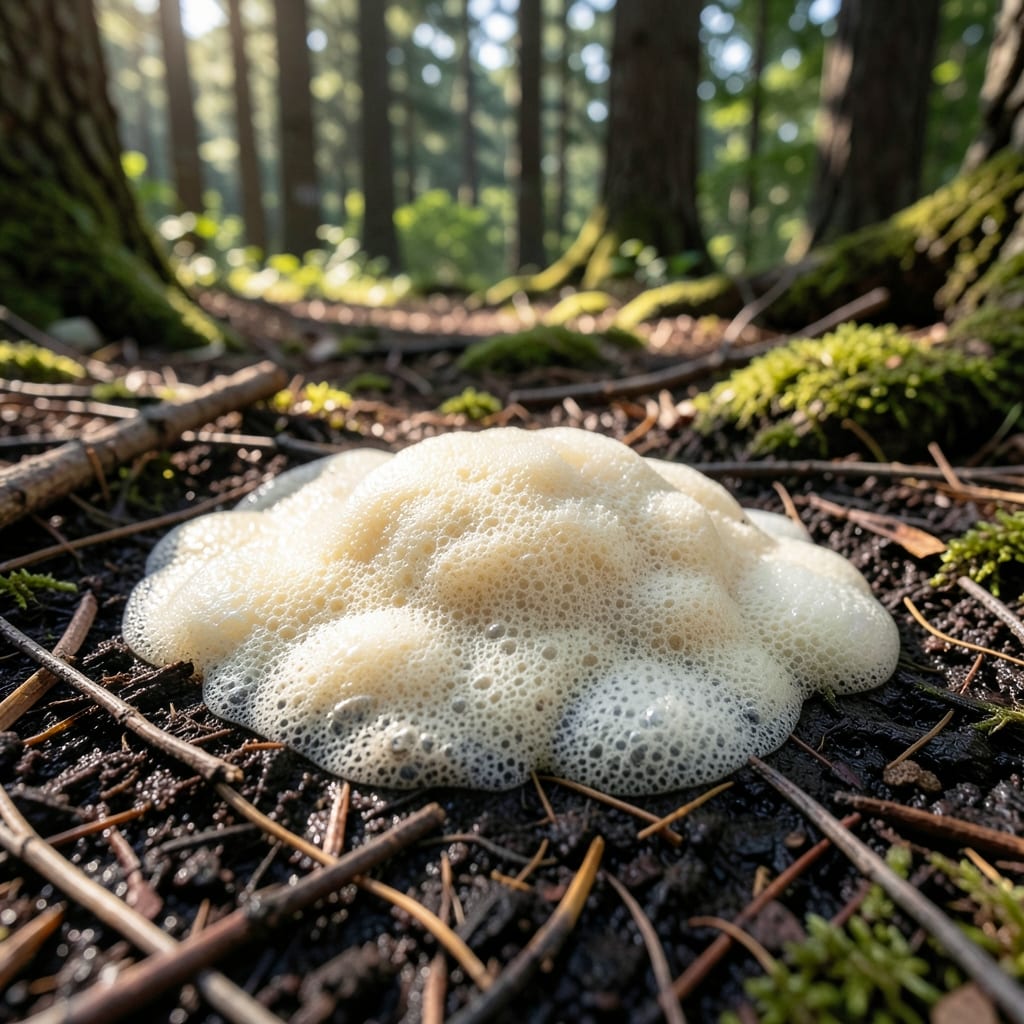
That white, frothy stuff on your plants isn’t soap suds. It’s a sneaky fungal issue that spreads fast if you don’t catch it early.
I first noticed it on my roses last spring—looked like someone had squirted shaving cream on the stems. Turns out, it’s a sign of stress, often from overwatering or poor air circulation.
Left unchecked, it weakens plants, stunts growth, and can even kill younger ones. The good news? It’s 100% treatable with the right approach.
Here’s how to spot it, stop it, and keep your garden thriving without harsh chemicals.
The appearance of white foam-like fungus in your garden or on plants is often a sign of underlying environmental or biological imbalances. Below are the most common causes, explained with actionable insights to help you address the root of the problem.
Fungi thrive in damp, waterlogged conditions. Overwatering, poor soil drainage, or high humidity creates the perfect breeding ground for Sclerotinia sclerotiorum or other foam-producing fungi. These organisms feed on decaying organic matter, and stagnant water accelerates their spread. Action: Improve drainage by amending soil with compost or sand, and avoid overhead watering.
White foam fungus often appears on decomposing plant debris, such as fallen leaves, mulch, or rotting wood. As fungi break down cellulose and lignin, they can produce a frothy, white mycelium. Action: Clear away dead plant material regularly and maintain a clean garden bed to reduce fungal food sources.
Cool, humid weather (especially in spring or fall) encourages fungal growth. Sudden temperature drops combined with high moisture levels can trigger spores to germinate and form visible foam-like structures. Action: Use row covers or greenhouses to stabilize temperature and reduce humidity around vulnerable plants.
Soils with excessive nitrogen or low calcium levels can weaken plants, making them more susceptible to fungal infections. Over-fertilization, particularly with nitrogen-heavy products, promotes lush but soft growth that fungi easily invade. Action: Test your soil and balance nutrients—add lime for calcium or reduce nitrogen inputs if levels are high.
If you’ve spotted white foam fungus in your garden or on your plants, don’t panic—here’s how to tackle it head-on with practical, easy-to-follow solutions. Addressing the issue early can save your plants and prevent further spread.
Fungus thrives in damp conditions. If excess moisture is the culprit, adjust your watering schedule to allow the soil to dry between waterings. Ensure pots have drainage holes, and consider adding perlite or sand to improve soil aeration. Prevention tip: Water in the morning so plants dry out during the day, reducing fungal growth opportunities.
Stagnant air promotes fungal spores. Trim dense foliage to improve airflow, and space plants further apart. For indoor plants, use a small fan to keep air moving. Prevention tip: Prune regularly to maintain an open structure and reduce humidity buildup.
Clear away fallen leaves, dead plant matter, and any visible fungal growth. Dispose of debris in sealed bags to avoid spreading spores. Sanitize tools and pots with a bleach solution (1 part bleach to 9 parts water). Prevention tip: Keep your garden clean—regularly remove decaying material to starve the fungus of its food source.
For mild cases, spray affected areas with a baking soda solution (1 tsp baking soda, 1 quart water, and a drop of dish soap). For stubborn infestations, use a copper-based fungicide or neem oil. Always follow label instructions. Prevention tip: Apply preventative fungicides during humid seasons to protect vulnerable plants.
💡 Pro Tip: Rotate crops annually to disrupt fungal life cycles, and choose resistant plant varieties when possible!
Yes, but avoid direct contact if possible. While not typically harmful to humans, some fungi can cause skin irritation. Always wear gloves when handling infected plants or soil.
Fungal spores travel easily through air, water, or garden tools. Isolate infected plants immediately and sanitize tools after use to prevent cross-contamination.
Natural remedies like baking soda may show improvement in 1-2 weeks. Chemical fungicides often act faster, within 3-5 days. Consistency is key for full eradication.
It might if conditions remain favorable. Prevent recurrence by improving drainage, increasing airflow, and removing decaying matter regularly.