
Beautiful Plants For Your Interior
Beautiful Plants For Your Interior
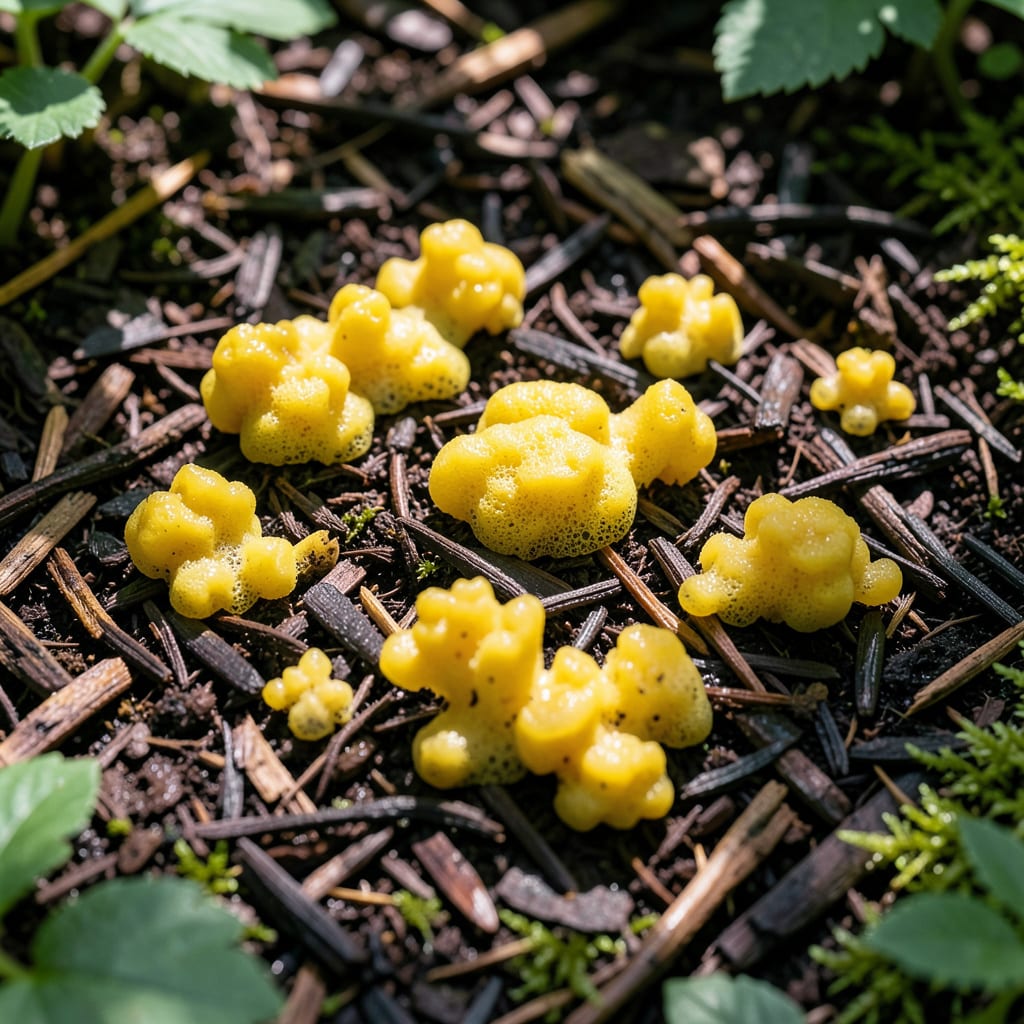
Yellow foam in your mulch isn’t dangerous, just unsightly. 🌱 I first spotted this in my own garden after a week of rain—bright, bubbly patches that looked like someone had spilled soap. It’s actually a slime mold, not a true fungus, and it thrives in damp, undisturbed mulch.
This happens when organic matter stays too wet for too long. The fix is simpler than you’d think: rake the mulch to break up the foam and let it dry. A little sunlight and airflow usually do the trick within 24-48 hours.
Preventing it means keeping mulch loose and not too thick—2-3 inches max. Avoid piling it against plant stems, and turn it occasionally to let air circulate. Healthy mulch should crumble easily in your hand.
No chemicals needed, and your plants won’t be harmed. Just a little maintenance keeps your garden beds looking clean and your mulch doing its job.
The yellow foam-like fungus in mulch, often identified as Fuligo septica (commonly called “dog vomit slime mold” or “scrambled egg slime”), thrives under specific environmental conditions. This organism isn’t a true fungus or mold but a myxomycete, a type of protist that behaves like a fungus in its reproductive stage. Here’s why it appears in your mulch:
Slime molds like Fuligo septica flourish in damp, humid environments. Overwatering, poor drainage, or prolonged rain can create the perfect breeding ground. Mulch retains moisture, and if it stays soggy for days, it invites these organisms to grow and spread. Actionable tip: Improve drainage by aerating the mulch or reducing irrigation frequency.
Mulch is rich in decomposing organic material, which slime molds feed on. As bacteria and fungi break down wood chips or leaves, they produce nutrients that attract Fuligo septica. This process is natural but can become visible when conditions are ideal. Actionable tip: Turn the mulch regularly to disrupt the growth cycle and speed up decomposition.
These organisms are most active in temperatures between 60–80°F (15–27°C). During spring and early summer, the combination of warmth and moisture accelerates their growth. Shaded areas with less direct sunlight are particularly vulnerable. Actionable tip: Thin out mulch layers in warm months to reduce heat retention and humidity.
Compacted or thick layers of mulch restrict airflow, trapping moisture and heat. This stagnant environment encourages slime mold spores to germinate and form visible masses. Actionable tip: Fluff mulch with a rake every few weeks to promote airflow and deter growth.
While unsightly, this yellow foam is not harmful to plants, pets, or humans. Addressing these underlying causes will help prevent future outbreaks.
Dealing with that unsightly yellow foam-like fungus in mulch doesn’t have to be a headache. Below are targeted solutions based on the most common causes, along with easy prevention tips to keep your garden bed clean and healthy.
If excess moisture is the culprit, start by raking the mulch to break up compacted areas and allow airflow. Replace waterlogged mulch with fresh, dry material, and ensure your garden bed has proper drainage. Consider mixing in coarse materials like pine bark or wood chips to prevent future water buildup.
Prevention tip: 💡 Water your plants in the morning so mulch has time to dry during the day.
Fungus thrives in stagnant, humid environments. Turn the mulch regularly with a garden fork to disrupt fungus growth and expose it to sunlight. Trim nearby plants to improve air circulation, and avoid piling mulch too thickly (stick to 2–3 inches max).
Prevention tip: 🌬️ Space plants further apart to reduce humidity buildup.
If decaying leaves or grass clippings are trapped in the mulch, remove the top layer and replace it with fresh mulch. Avoid using unshredded leaves or thick layers of grass clippings, as they mat down and trap moisture. A light rake every few weeks helps prevent debris accumulation.
Prevention tip: ✨ Use a mulch screen to keep large debris out while allowing airflow.
For persistent cases, treat the area with a natural fungicide like neem oil or a baking soda solution (1 tbsp baking soda + 1 gallon water + a drop of dish soap). Spray evenly over the mulch, focusing on affected spots. Avoid chemical fungicides unless absolutely necessary, as they can harm beneficial soil microbes.
Prevention tip: 🎯 Reapply neem oil every 2–4 weeks during damp seasons.
No, it won’t hurt your plants, pets, or kids. This slime mold feeds on decaying mulch, not living plants. It’s just a sign your mulch is staying too damp.
Most patches dry up and fade within 24-48 hours once exposed to air and sunlight. For stubborn spots, repeat raking the next day.
Yes! Use coarse mulches like pine bark or cedar chips that allow better airflow. Avoid fine materials that compact easily.
Vinegar may lighten it but can also harm soil pH and plants. Stick to gentler methods like raking or neem oil for safe removal.
