
Beautiful Plants For Your Interior
Beautiful Plants For Your Interior
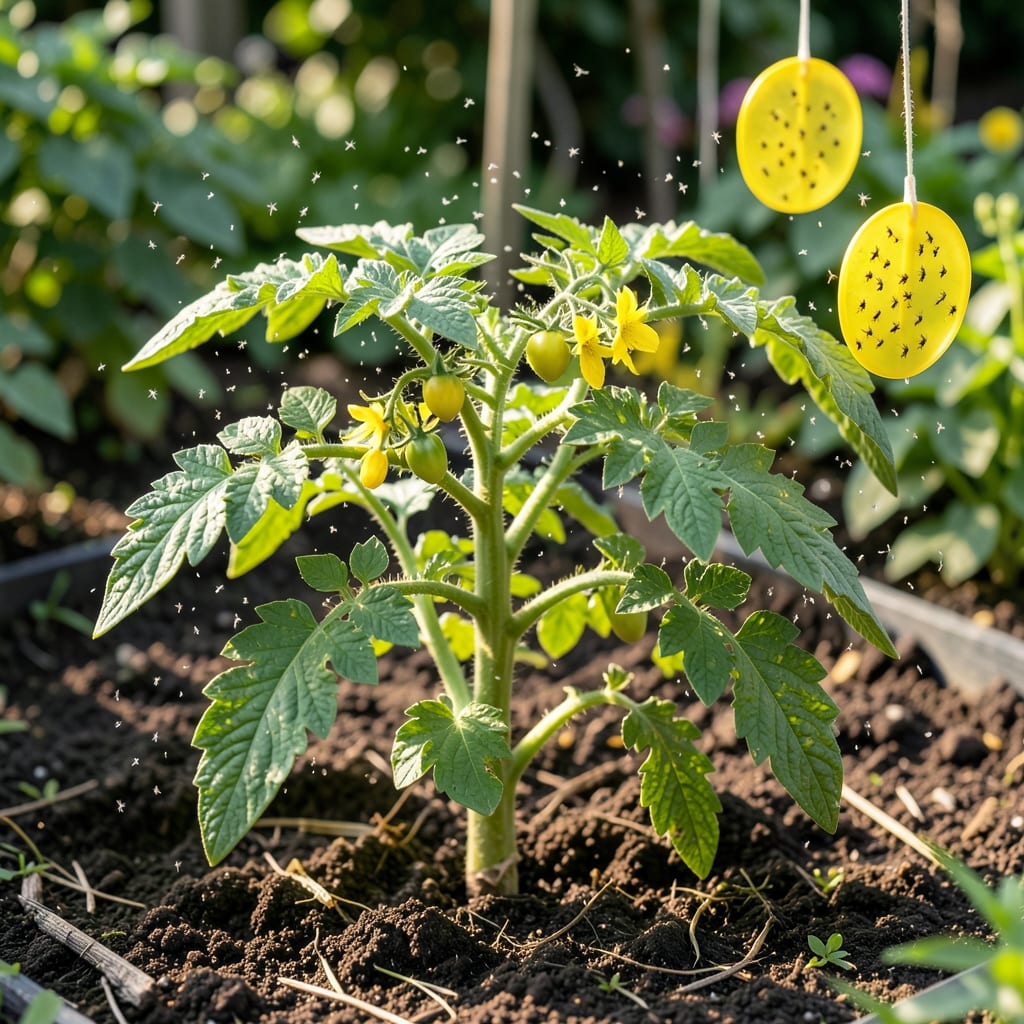
I first noticed the tiny white clouds hovering over my tomato leaves last July. These pests multiply fast, turning healthy plants into sticky, yellowing messes overnight.
White flies don’t just look gross—they suck plant juices and spread diseases. Left unchecked, they’ll weaken your peppers, cucumbers, and ornamentals in 2-3 weeks.
The good news? They’re vulnerable to simple, targeted solutions. A strong blast of water dislodges adults, while yellow sticky traps catch stragglers.
For serious infestations, organic sprays or systemic treatments work fast. The key is acting before they take over your entire garden.
Understanding why white fly swarms form is key to preventing their rapid spread. These pests thrive under specific conditions, often tied to environmental factors, plant health, or human activity. Below are the primary causes, explained with actionable insights.
Whiteflies proliferate in dense plantings where airflow is poor and humidity is high. Stressed plants—due to underwatering, overwatering, or nutrient deficiencies—emit volatile compounds that attract whiteflies. Action: Thin out foliage, improve ventilation, and maintain consistent watering schedules.
Whiteflies reproduce exponentially in temperatures between 70–85°F (21–29°C) with humidity above 60%. Greenhouses and indoor gardens are hotspots. Action: Use fans to reduce humidity and introduce yellow sticky traps to disrupt mating.
Excess nitrogen promotes lush, soft growth—ideal for whitefly feeding and breeding. These pests target new growth rich in amino acids. Action: Switch to balanced fertilizers (e.g., 10-10-10) and avoid over-fertilizing during peak growing seasons.
In ecosystems lacking parasitic wasps, ladybugs, or lacewings, whitefly populations explode unchecked. Pesticides often kill these beneficial insects first. Action: Introduce predator insects or use neem oil (a targeted, organic solution).
Single-species gardens (e.g., rows of tomatoes or cotton) provide unlimited food sources for whiteflies. Action: Interplant with repellent species like marigolds, basil, or nasturtiums to disrupt their lifecycle.
Tackling whitefly swarms starts with identifying the root cause and applying targeted fixes. Here’s a practical guide to reclaim your plants:
Whiteflies thrive in stagnant, humid conditions. Space out your plants to allow better air circulation. Prune dense foliage and remove weeds that may harbor pests. For indoor plants, use a small fan to keep air moving. Prevention tip: 💡 Avoid overcrowding from the start—give plants room to breathe.
Stressed plants attract whiteflies like a beacon. Boost plant health with balanced fertilization and proper watering (avoid overwatering or drought). Use organic options like neem oil or compost tea to fortify plants naturally. Prevention tip: 🌡️ Monitor soil moisture and nutrient levels regularly to keep plants resilient.
For active swarms, start by blasting whiteflies off leaves with a strong water spray. Introduce natural predators like ladybugs or lacewings. Set up yellow sticky traps near infested areas to capture adults. For severe cases, apply insecticidal soap or horticultural oil, ensuring full coverage on leaf undersides. Prevention tip: ✨ Inspect new plants thoroughly before bringing them indoors or adding them to your garden.
Whiteflies love hiding in garden debris. Remove fallen leaves, dead plants, and weeds where they can breed. Disinfect pots and tools if you’ve had an infestation. Prevention tip: 🎯 Maintain a clean growing environment to deter future outbreaks.
Consistency is key—combine these methods for the best results and keep whiteflies from returning!
Whiteflies reproduce rapidly, with females laying up to 400 eggs in their lifetime. Under ideal conditions, populations can double every 7-10 days.
Tomatoes, peppers, and cucumbers are prime targets. They also love ornamentals like poinsettias and hibiscus. Check leaf undersides weekly for early signs.
No, they don’t bite but may hover near your face when disturbed. Their sticky honeydew residue can attract other pests like ants or sooty mold.
Yes, a 1-2% insecticidal soap solution works. Mix 1 tablespoon of mild dish soap per quart of water and spray directly on leaves.