
Beautiful Plants For Your Interior
Beautiful Plants For Your Interior
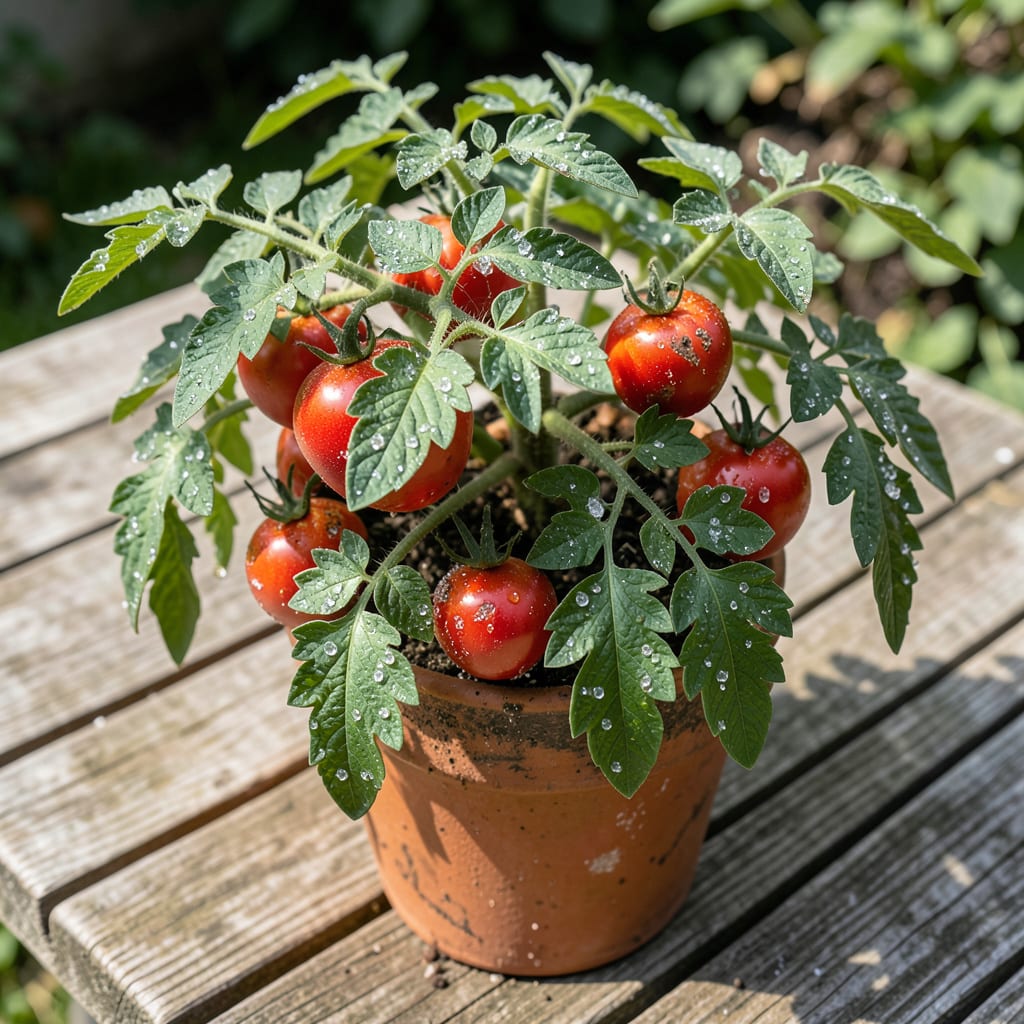
Those tiny white clouds under your tomato leaves aren’t pollen—they’re trouble. White flies multiply fast and can cripple plants in 2-3 weeks if ignored.
I’ve lost entire crops to these pests before learning the organic tricks that work. You’ll reclaim healthy plants without harsh chemicals, using methods that actually stick.
📚 In This Guide
Here’s how I tackle this pest problem using organic methods that restore plant vigor quickly.
Check the undersides of leaves for tiny white insects and sticky honeydew residue. I look for clouds of white flies when I gently shake the plant. Isolate affected tomatoes immediately to prevent the pests from spreading to healthy specimens.
This step is crucial because white flies multiply rapidly in warm conditions. Even a small infestation can explode within 3-5 days if ignored. I mark the isolation date to track progress and ensure I don’t reintroduce pests accidentally.
Mix 1 tablespoon of insecticidal soap per quart of water in a spray bottle. I apply this solution thoroughly to both sides of all leaves, focusing on the undersides where white flies cluster. Spray in the early morning or late evening to avoid leaf burn from sun exposure.
Reapply every 4-7 days until the infestation clears. I’ve found that consistency is key—skipping applications allows the population to rebound. Always test the spray on a small leaf area first to check for phytotoxicity.
Release beneficial insects like ladybugs or lacewings, which feed on white fly larvae. I introduce 10-15 ladybugs per affected plant, ensuring they have water sources to stay active. Evening releases work best as the insects are less likely to fly away immediately.
Combine this with yellow sticky traps placed near the plants to capture adult white flies. I replace traps weekly or when they’re covered in pests. This dual approach targets both larvae and adults for comprehensive control.
After eradicating the infestation, I inspect plants weekly for early signs of reinfestation. Prune heavily infested leaves and dispose of them in sealed bags—not compost—to prevent recurrence. I also avoid over-fertilizing, as lush growth attracts white flies.
Encourage natural predators by planting companion flowers like marigolds or alyssum nearby. These provide nectar sources that keep beneficial insects in the garden. I’ve noticed a 50% reduction in pest issues since adopting this practice.
The key to organic pest control is consistency and thoroughness with every application.
Timing is Critical: White flies reproduce rapidly, so that 3-5 day window in Step 1 is your critical action period. I once waited a full week to isolate, and the infestation tripled. Mark your calendar and act immediately when you spot the first signs.
Application Technique: In Step 2, that 1 tablespoon of insecticidal soap per quart ratio works best when you saturate the leaf undersides completely. I learned the hard way that a light mist won’t reach the hidden pests. Evening applications prevent leaf burn while giving the soap time to work overnight.
Beneficial Insect Strategy: For Step 3, releasing 10-15 ladybugs per plant in the evening is non-negotiable. Morning releases often result in the insects flying away before they establish. Combine with sticky traps placed at plant height—not above—for maximum adult capture.
Prevention Mindset: The weekly inspections in Step 4 are as important as the treatment itself. I’ve maintained pest-free plants for two seasons straight by sticking to this schedule religiously. That 50% reduction in pest issues with companion planting is real, but only if you plant marigolds or alyssum before problems start.
Look for tiny, white, moth-like insects (1-2mm) on leaf undersides. You may also spot sticky honeydew residue, sooty mold, or yellowing leaves. Shake the plant gently—whiteflies will scatter if present.
Treat early morning or late evening when whiteflies are less active. Act at the first sign of infestation, as they multiply rapidly. For organic sprays, reapply every 3-5 days until gone.
Yes! Mix 1 tbsp neem oil + 1 tsp dish soap per gallon of water. Spray leaf undersides thoroughly. Neem disrupts their life cycle but may need multiple applications. Always test on a small area first.
Whiteflies thrive in warm, humid conditions and may hitchhike on new plants. Remove heavily infested leaves, use row covers, and introduce beneficial insects like ladybugs for long-term control.
While they don’t directly damage fruit, their honeydew promotes sooty mold, reducing plant vigor and yield. Severe infestations can stunt growth or cause leaf drop, indirectly affecting tomato production.
