
Beautiful Plants For Your Interior
Beautiful Plants For Your Interior
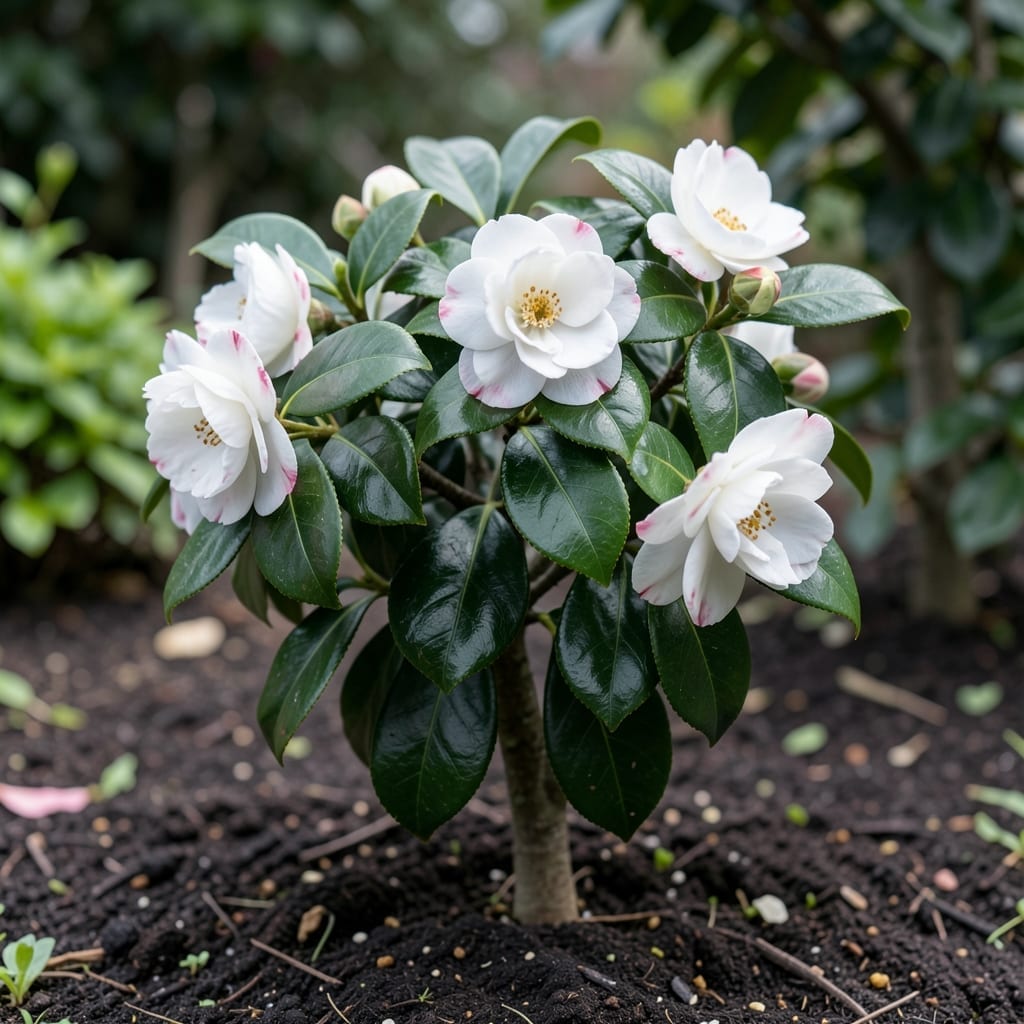
There’s something magical about bicolor blooms—white petals kissed with soft pink edges. I first noticed this on my phlox last spring, and it stopped me in my tracks.
These plants bring a fresh twist to any garden. Some varieties, like certain hydrangeas or petunias, naturally produce this look, while others develop it with the right care and conditions.
You’ll get blooms that stand out without being overwhelming. The contrast is subtle yet striking, perfect for borders or containers where you want a touch of elegance.
With the right planting spot and a little attention, you can enjoy this effect all season long. It’s easier to achieve than you might think.
The striking white flower with pink tips phenomenon is a natural result of several biological and environmental factors. Here’s a breakdown of the most common causes behind this beautiful coloration:
Some plants are genetically programmed to produce bicolor blooms. Anthocyanins, the pigments responsible for pink, red, and purple hues, may concentrate at the petal edges due to temperature fluctuations or light exposure during bud development. This creates the iconic pink-tipped effect on a white base.
Cooler temperatures can enhance anthocyanin production, especially in the outer petal tissues. If nights are chilly while days remain mild, the tips of white flowers may develop a pink blush as a stress response. This is common in varieties like Dianthus or Petunias.
Intense sunlight can trigger localized pigmentation. Petal tips often receive the most direct UV radiation, stimulating anthocyanin synthesis in those areas. Growers can encourage this effect by ensuring plants get 6+ hours of sunlight daily.
A slight phosphorus deficiency or high soil pH can alter pigment distribution, sometimes leading to pink-tipped white flowers. Conversely, balanced fertilization (10-10-10 NPK) helps maintain consistent color patterns in most cultivars.
If your white flowers with pink tips are looking lackluster, these targeted fixes will help restore their vibrancy. Below, we break down common causes and their solutions, along with prevention tips to keep your blooms thriving.
Yellowing or dull pink tips often signal a lack of essential nutrients, particularly phosphorus or potassium. Use a balanced, water-soluble fertilizer (10-10-10 or 5-10-5) every 2–4 weeks during the growing season. For a quick boost, opt for a bloom-specific formula higher in phosphorus to enhance color intensity.
Prevention tip: 💡 Test your soil annually and amend it with compost or organic matter to maintain nutrient levels naturally.
Extreme heat or cold can bleach or mute the pink tips. Move potted plants to a shadier spot during peak summer or provide a frost cloth in winter. For in-ground plants, mulch heavily to regulate soil temperature.
Prevention tip: 🌱 Choose planting locations with dappled sunlight and consistent moisture to minimize stress.
Wilting or brown-tipped pink edges? Check your watering habits. Stick your finger 1–2 inches into the soil—if it’s dry, water deeply; if soggy, hold off and improve drainage. Use pots with drainage holes or amend garden beds with perlite.
Prevention tip: 💧 Water early in the morning to reduce evaporation and prevent fungal issues.
Aphids and powdery mildew can weaken plants, dulling their bicolor appeal. Spray infested plants with neem oil or insecticidal soap weekly until pests are gone. For fungal issues, apply a copper-based fungicide and remove affected foliage.
Prevention tip: ✨ Encourage beneficial insects like ladybugs by planting companion flowers such as marigolds.
Popular choices include Dianthus, Phlox, and Petunias. These varieties are bred to display this bicolor pattern reliably with proper care.
Ensure 6+ hours of sunlight daily and use a phosphorus-rich fertilizer. Cooler nights also enhance the pink hue naturally.
Extreme heat, nutrient deficiencies, or overwatering can fade the color. Adjust care to maintain consistent conditions for best results.
Use well-draining soil and containers with drainage holes. Dwarf varieties like Calibrachoa thrive in pots.