
Beautiful Plants For Your Interior
Beautiful Plants For Your Interior
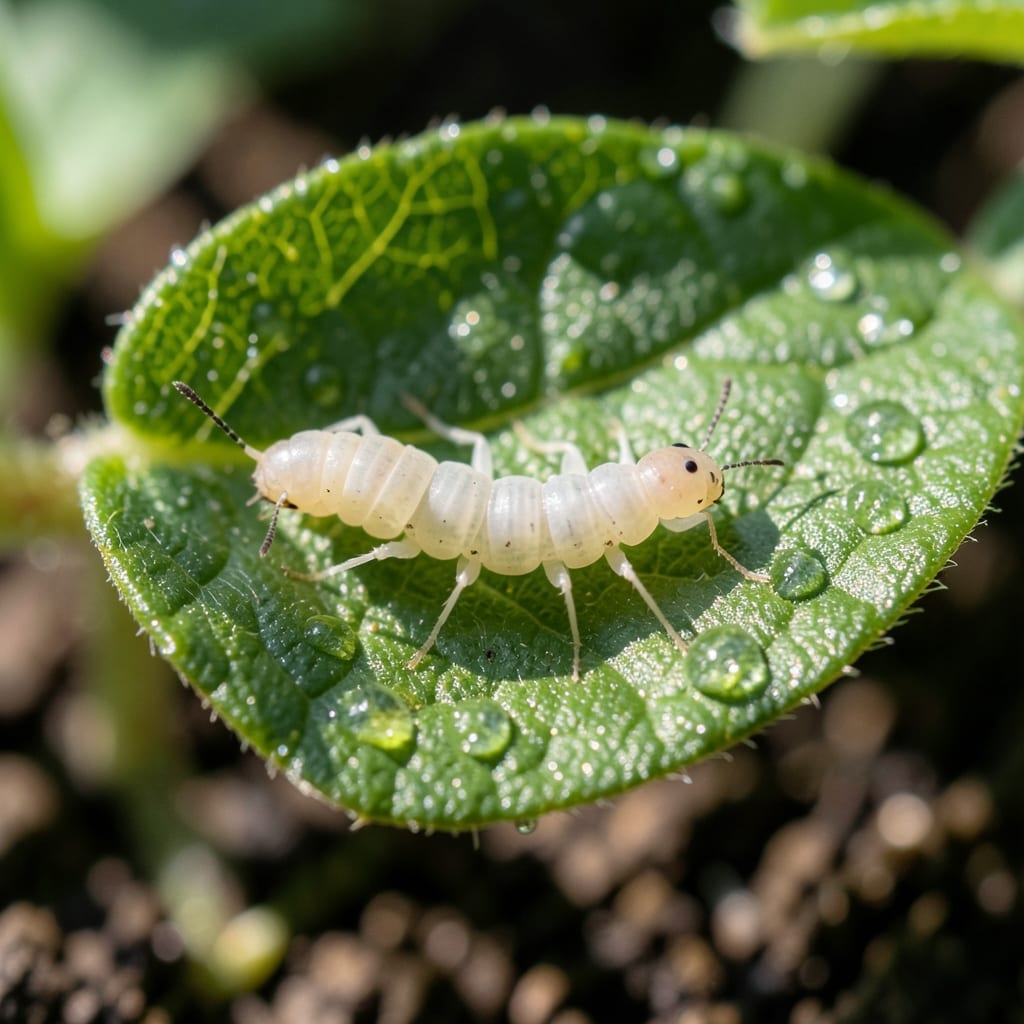
Those tiny white dots on the undersides of leaves aren’t dust—they’re trouble. I’ve lost entire crops to white fly larvae before learning to spot them early. They’re flat, oval, and barely move, but they’ll drain your plants of life.
Here’s the thing—they love the same warm conditions your plants do. A few days of ignoring them means sticky honeydew coating leaves, then sooty mold. The damage spreads faster than you’d think.
I’ve tested every method: blasting them off with water, yellow sticky traps, and even releasing ladybugs. Some work better than others, but timing is everything.
You’ll get your plants back on track with the right approach. No fancy tools needed—just consistency and a sharp eye.
Whitefly larvae infestations don’t happen by chance—they’re usually the result of specific environmental or behavioral triggers. Understanding these causes can help you prevent future outbreaks and address current ones more effectively. Here’s why it happens:
Stressed or overcrowded plants are prime targets for whiteflies. When plants are weak due to poor nutrition, improper watering, or lack of sunlight, they emit chemical signals that attract adult whiteflies looking for a place to lay eggs. Overcrowding also reduces airflow, creating a humid microclimate that larvae thrive in.
Whiteflies reproduce rapidly in temperatures between 70–80°F (21–27°C) with high humidity (above 60%). Greenhouses, indoor gardens, or outdoor plants in tropical/subtropical climates are especially vulnerable. These conditions speed up the life cycle of whitefly larvae, allowing them to mature and reproduce in as little as 16–20 days.
In balanced ecosystems, predators like ladybugs, lacewings, or parasitic wasps keep whitefly populations in check. However, in gardens treated with broad-spectrum pesticides or monoculture settings (e.g., large-scale farms), these beneficial insects are often absent. Without natural enemies, whitefly larvae multiply unchecked.
Introducing new plants—especially from nurseries or online sellers—without inspection is a common way to inadvertently bring whitefly eggs or larvae into your garden. Even potting soil or garden tools can harbor eggs if previously used with infested plants.
Excess moisture in soil or on foliage creates an ideal breeding ground. Whiteflies are drawn to damp, lush growth, and their larvae feed on the sap of soft, waterlogged leaves. Poor drainage in pots or garden beds exacerbates the problem by keeping the environment consistently wet.
When whitefly larvae infest your plants, swift action is key. Below are targeted solutions for common causes, paired with prevention tips to keep them from returning.
Fix: Let the soil dry slightly between waterings and ensure pots have drainage holes. Use a well-draining potting mix with perlite or sand. If the issue persists, repot the plant in fresh soil.
Prevention tip: 💡 Stick your finger an inch into the soil—if it’s damp, hold off on watering.
Fix: Introduce beneficial insects like Encarsia formosa (parasitic wasps) or ladybugs. These predators target whitefly larvae naturally. For smaller infestations, manually remove larvae with a damp cloth or spray them off with water.
Prevention tip: 🎯 Plant companion flowers like marigolds or alyssum to attract predator insects.
Fix: Rotate insecticides to prevent resistance—try neem oil, insecticidal soap, or pyrethrin-based sprays. Apply in the early morning or late evening to avoid harming pollinators. For stubborn cases, use systemic granules mixed into the soil.
Prevention tip: ✨ Avoid overusing the same pesticide; alternate methods every 2–3 weeks.
Fix: Improve airflow with a small fan or by spacing plants apart. Reduce humidity with a dehumidifier or by watering in the morning so foliage dries quickly. Yellow sticky traps can also capture adult whiteflies before they lay eggs.
Prevention tip: 🌡️ Keep indoor humidity below 60% and prune dense foliage to increase ventilation.
Check the undersides of leaves for tiny, flat, oval shapes that don’t move. You might also notice sticky honeydew or black sooty mold. Shake the plant gently—adults will fly up if present.
Yes! A mild soap and water spray can kill larvae on contact. Apply in the early morning or evening for best results. Always test on a small area first to avoid damaging plants.
With consistent treatment, most infestations clear in 2-3 weeks. Eggs can hatch in 5-7 days, so repeat treatments weekly to break the life cycle. Patience and persistence are key.
They can if conditions remain favorable. Keep humidity below 60% and inspect new plants before bringing them inside. Natural predators like ladybugs help prevent reinfestation.