
Beautiful Plants For Your Interior
Beautiful Plants For Your Interior
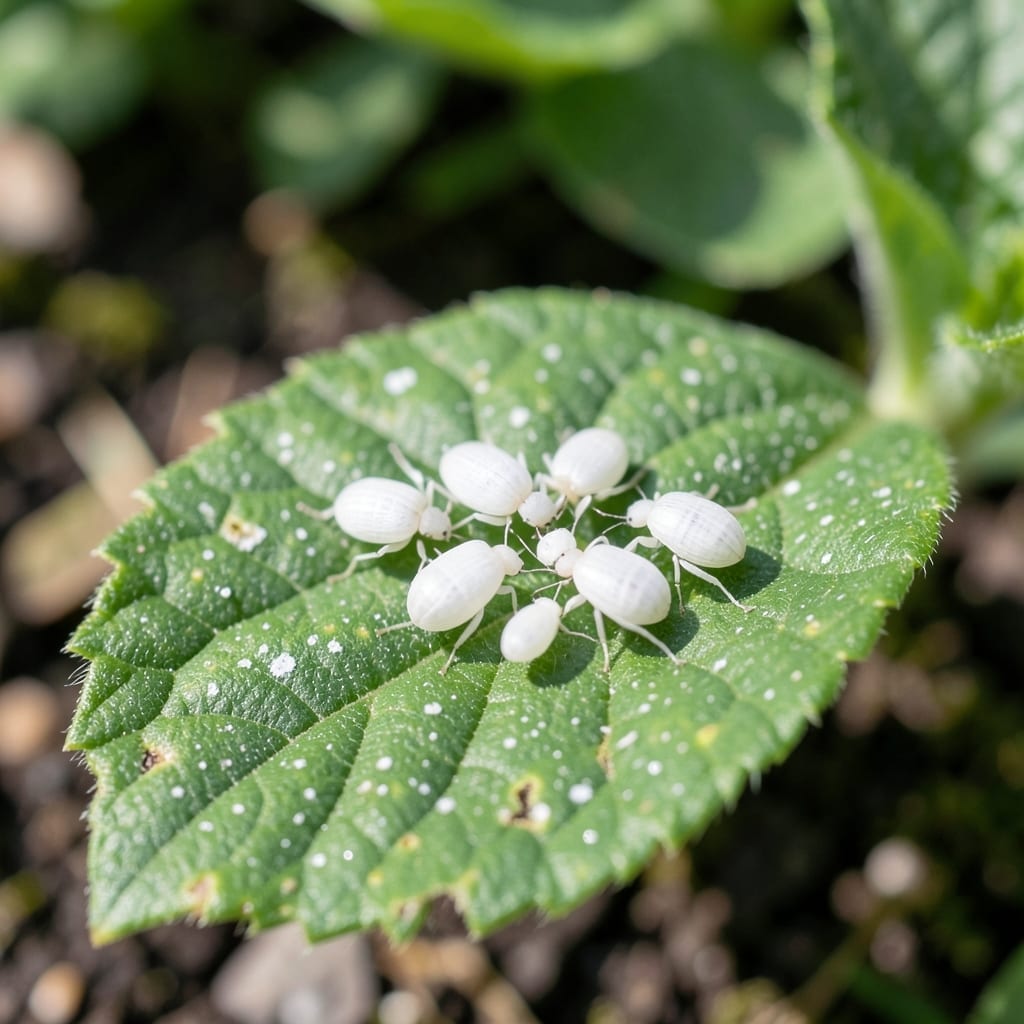
Spotting white bugs on your plants is enough to make any gardener pause. I’ve dealt with my share of these pests, and the good news is they’re manageable with the right approach.
First, you need to know what you’re dealing with—mealybugs, aphids, or whiteflies each require different tactics. Aphids cluster on new growth, while whiteflies scatter when disturbed. Mealybugs look like tiny cotton balls.
Organic solutions like neem oil or insecticidal soap work wonders without harsh chemicals. A strong blast of water can knock off aphids and whiteflies in minutes.
Prevention is key: keep plants healthy, inspect regularly, and encourage beneficial insects like ladybugs. This keeps your garden thriving and pest-free.
White bugs outside are often drawn to environments that meet their survival needs. Here are the most common causes:
Excess moisture in soil creates the perfect breeding ground for white bugs like mealybugs and whiteflies. These pests thrive in damp conditions, where fungi and decaying plant matter provide ample food. Action: Improve drainage with organic mulch or sand, and water plants only when the top inch of soil is dry.
Stressed or overfertilized plants release chemicals that attract sap-sucking insects. Aphids and whiteflies target soft new growth, often caused by excessive nitrogen. Action: Prune regularly and use balanced fertilizers to strengthen plant resilience.
White bugs reproduce rapidly in warm, humid weather. Temperatures between 70–85°F (21–29°C) accelerate their life cycles, leading to explosive populations. Action: Use shade cloths or plant windbreaks to reduce humidity around vulnerable plants.
When beneficial insects like ladybugs or lacewings are absent, white bug colonies grow unchecked. Pesticides often kill these predators first. Action: Introduce predator insects or plant nectar-rich flowers to restore balance.
Dealing with white bugs outside can be frustrating, but these targeted solutions will help you reclaim your garden or outdoor space. Below are practical fixes for common causes, along with prevention tips to keep them from returning.
Mix 1 tablespoon of mild dish soap with 1 quart of water and spray directly on aphid clusters. The soap disrupts their cell membranes, eliminating them without harsh chemicals. For a stronger option, use neem oil (follow package instructions). Prevention tip: 💡 Introduce ladybugs or lacewings—natural predators that keep aphid populations in check.
Dab mealybugs with a cotton swab soaked in 70% isopropyl alcohol for instant removal. For larger infestations, dilute alcohol with water (1:1 ratio) and spray affected areas. Prevention tip: 🌱 Avoid overwatering, as damp soil attracts these pests. Ensure proper drainage in pots and garden beds.
Place yellow sticky traps near plants to catch adult whiteflies. For a DIY approach, hang strips of yellow cardboard coated with petroleum jelly. Prevention tip: ✨ Use reflective mulch to disorient whiteflies and deter them from laying eggs.
Scrape off scale insects with a soft toothbrush or cloth, then wipe the area with soapy water. For stubborn cases, apply horticultural oil to suffocate them. Prevention tip: 🎯 Regularly inspect plants for early signs and prune heavily infested branches to prevent spread.
Consistency is key—repeat treatments every 5–7 days until the bugs are gone. Combine these methods with good garden hygiene, like removing debris and rotating crops, to keep your outdoor space pest-free long-term.
Whiteflies are tiny moth-like insects that scatter when disturbed. Aphids are slower, often clustered on new growth. Both are small and white, but whiteflies fly away in a cloud.
Yes, they sap plant juices and excrete sticky honeydew, attracting mold. Heavy infestations weaken plants and stunt growth. Treat early to prevent lasting damage.
A mild dish soap and water spray works well for aphids. For mealybugs, 70% isopropyl alcohol on a cotton swab removes them instantly. Always test on a small area first.
Check weekly during warm months, focusing on leaf undersides and new growth. Early detection makes treatment easier and more effective.