
Beautiful Plants For Your Interior
Beautiful Plants For Your Interior
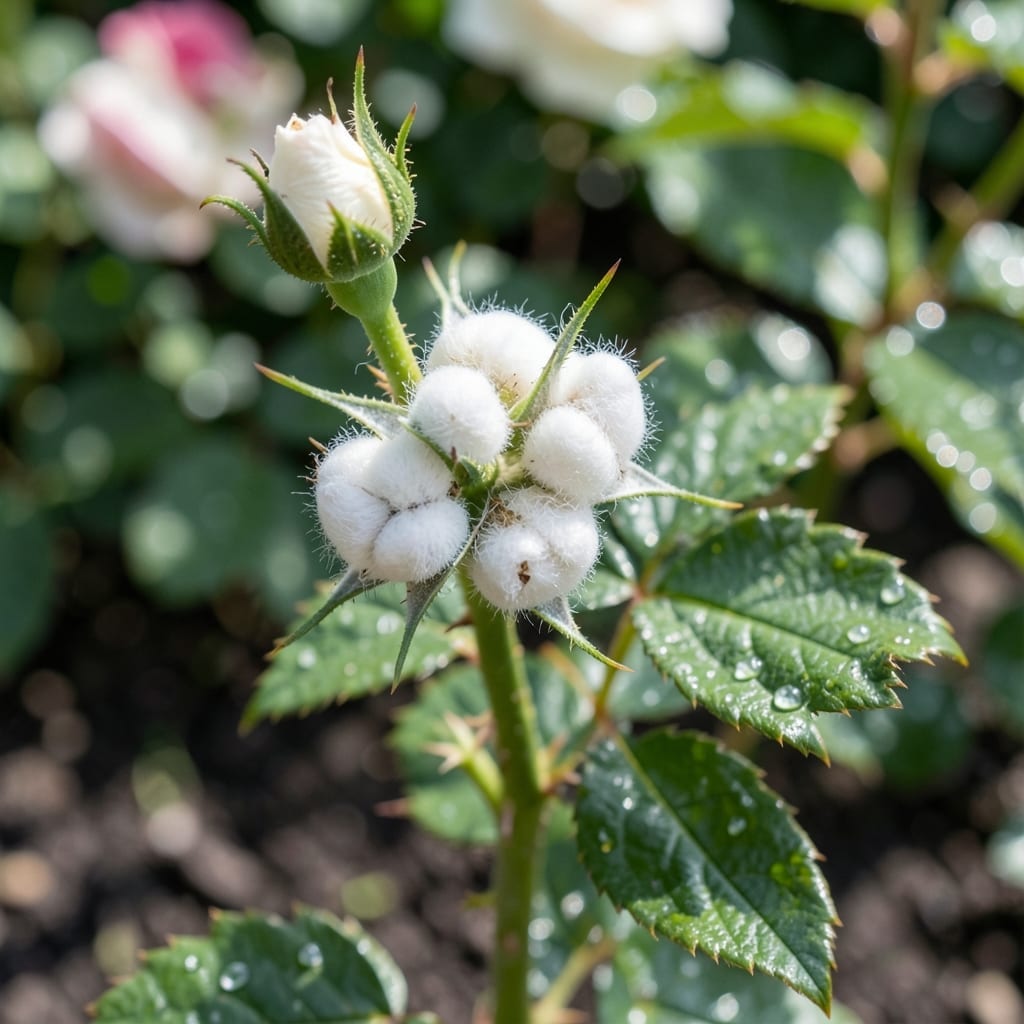
White bugs on roses are every gardener’s nightmare. I’ve lost count of how many blooms I’ve sacrificed to these tiny invaders before learning the right approach.
They’re sneaky—hiding under leaves, clustering on new growth, and sapping your plants’ strength before you even notice. But with the right organic treatment, you can turn the tide in 48 hours without harming your roses or the environment.
What you’ll get are vibrant blooms that bounce back stronger, free from sticky residue or curled leaves. The plants recover fast, and the bugs stay gone with consistent prevention.
Works for aphids, mealybugs, and scale—no harsh chemicals required. Here’s how to fight back.
White bugs on roses are often a sign of underlying issues in your garden. Understanding the root causes helps you address the problem effectively and prevent future infestations. Below are the most common reasons these pests appear.
Excess moisture creates the perfect breeding ground for pests like mealybugs and aphids. Roses thrive in well-drained soil, and waterlogged conditions weaken the plant, making it more susceptible to infestations. Ensure your roses receive consistent but moderate watering, and avoid overhead irrigation to reduce humidity around the foliage.
Dense foliage or crowded plantings restrict airflow, trapping moisture and encouraging white bug populations. Prune your roses regularly to improve ventilation, and space plants adequately to minimize humidity buildup. This simple step can significantly reduce pest activity.
Roses lacking essential nutrients, particularly nitrogen or potassium, become stressed and more vulnerable to pests. Conduct a soil test to identify deficiencies, and amend the soil with organic fertilizers or compost to restore balance. Healthy, well-nourished roses are better equipped to resist infestations.
A lack of beneficial insects like ladybugs or lacewings can lead to unchecked white bug populations. These predators feed on pests, keeping their numbers in control. Encourage a diverse ecosystem in your garden by planting companion flowers and avoiding broad-spectrum pesticides that harm beneficial insects.
Tackling white bugs on your roses starts with identifying the pest and applying the right fix. Below are targeted solutions for the most common culprits, along with prevention tips to keep your blooms thriving. 🌹
If you spot clusters of tiny, pear-shaped bugs, aphids are likely the issue. Use a strong jet of water from your hose to dislodge them early in the day, allowing foliage to dry. For stubborn infestations, spray with insecticidal soap or neem oil (1 tbsp oil + 1 tsp dish soap per gallon of water). Reapply every 5–7 days until they’re gone.
Prevention tip: Encourage ladybugs and lacewings—natural aphid predators—by planting companion flowers like marigolds or yarrow. 💡
Mealybugs look like cottony blobs tucked in leaf axils or stems. Dab them with a cotton swab soaked in rubbing alcohol (70% isopropyl) to kill them on contact. For larger outbreaks, apply horticultural oil to suffocate them, coating both sides of leaves.
Prevention tip: Prune densely packed stems to improve airflow and reduce hiding spots. ✨
Tiny, web-spinning mites thrive in dry conditions. Mist your roses daily or use a soil moisture meter to maintain consistent hydration. Introduce predatory mites (like Phytoseiulus persimilis) for a long-term, chemical-free solution.
Prevention tip: Avoid overhead watering in the evening to deter fungal growth, which can stress plants and attract mites. 🌡️
These moth-like bugs fly up in clouds when disturbed. Hang yellow sticky traps near your roses to catch adults. Spray pyrethrin-based insecticide (derived from chrysanthemums) at dusk, when whiteflies are most active.
Prevention tip: Use reflective mulch (like aluminum foil) around the base to disorient and repel them. 🎯
For all pests, inspect your roses weekly and remove heavily infested leaves or blooms to prevent spread. Consistency is key—organic treatments often require repeat applications but protect your garden’s ecosystem. 🌿
Check under leaves and along stems for tiny white clusters or cottony spots. Aphids are pear-shaped, mealybugs look like cotton, and whiteflies scatter when disturbed.
Yes, they can spread quickly to nearby plants, especially if conditions are favorable. Isolate infested roses and treat promptly to prevent this.
Yes, mix 1 tsp dish soap with 1 quart water and spray directly on pests. Avoid harsh detergents, as they may damage foliage.
Check your plants weekly during growing season. Early detection makes treatment easier and more effective.