
Beautiful Plants For Your Interior
Beautiful Plants For Your Interior
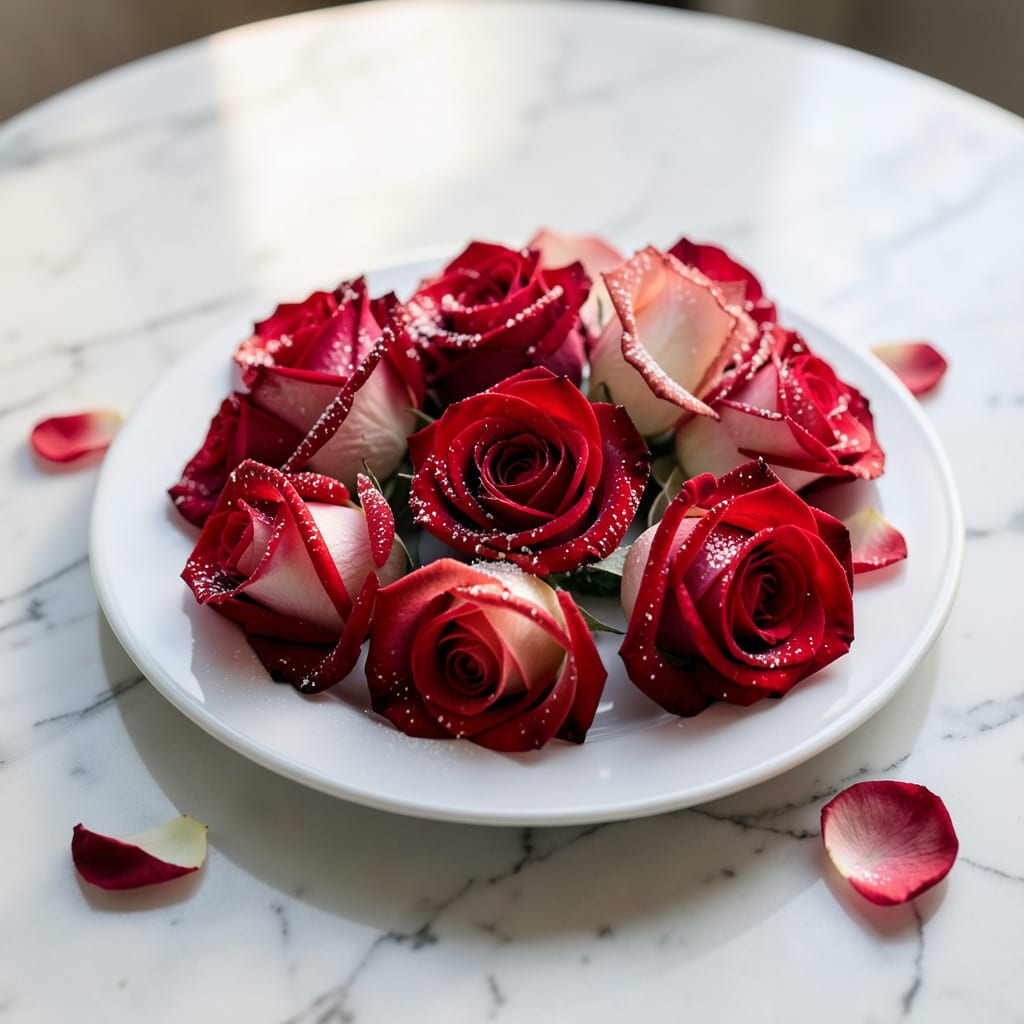
Those white spots on your roses aren’t just unsightly—they’re a warning sign. I’ve seen powdery mildew, spider mites, and fungal infections all start this way, and ignoring them means weaker plants and fewer blooms.
The good news is that early action works. Most cases clear up with simple organic treatments like neem oil or baking soda sprays, and prevention is even easier once you know the tricks.
Your roses can bounce back with healthier foliage and stronger blooms within 2-3 weeks of proper care. The key is matching the treatment to the specific problem.
Works for all rose varieties, from climbers to shrubs. Here’s how to diagnose and fix it for good.
White spots on roses often signal underlying issues that disrupt the plant’s health or appearance. Below are the most common causes, explained with actionable insights.
Powdery mildew is a frequent culprit, thriving in humid, poorly ventilated conditions. This fungus (Podosphaera pannosa) forms a white, powdery coating on leaves and stems, blocking sunlight and weakening the plant. High humidity (above 70%) and temperatures between 60–80°F (15–27°C) accelerate its spread. Action: Improve airflow, avoid overhead watering, and apply neem oil or sulfur-based fungicides preventatively.
Spider mites and mealybugs can cause stiplling or white residue. Spider mites pierce cells to feed, leaving tiny white or yellow speckles, while mealybugs secrete a cottony white wax. Both thrive in dry, dusty conditions. Action: Blast pests off with water, introduce beneficial insects like ladybugs, or use insecticidal soap. Check leaf undersides weekly for early signs.
Hard water or foliar sprays can leave calcium or magnesium deposits as chalky white spots, especially after water evaporates. These are harmless but unsightly. Action: Use filtered or distilled water for misting, and wipe leaves with a damp cloth to remove existing deposits.
Intense sunlight can bleach rose petals and leaves, creating white or tan patches. This often occurs after sudden exposure to harsh midday sun, especially in young or transplanted roses. Action: Provide afternoon shade in extreme heat, and acclimate plants gradually to full sun.
Dealing with white spots on your roses doesn’t have to be daunting. Below are targeted solutions for each common cause, along with prevention tips to keep your blooms thriving. 🌹
Fix: Mix 1 tablespoon of baking soda, 1 teaspoon of dish soap, and 1 gallon of water. Spray the solution on affected leaves weekly until the spots disappear. For severe cases, use neem oil (follow label instructions).
Prevent: Space plants for airflow, water at the base (not overhead), and prune dense foliage to reduce humidity.
Fix: Blast pests off with a strong stream of water, then apply insecticidal soap or horticultural oil. Repeat every 5–7 days until gone.
Prevent: Inspect leaves regularly, especially undersides. Introduce beneficial insects like ladybugs to your garden.
Fix: Improve drainage by amending soil with compost or sand. Adjust watering to early morning and avoid over-saturation.
Prevent: Use mulch to retain moisture evenly and water only when the top inch of soil is dry.
Fix: Trim damaged leaves to redirect energy. If caused by pesticides, rinse leaves with water to remove residue.
Prevent: Apply treatments in the evening to avoid heat stress. Always dilute chemicals as directed.
💡 Pro Tip: Rotate treatments to prevent resistance, and always test sprays on a small area first to avoid damaging your roses further!
Powdery mildew appears as a fine white powder, often on upper leaves. Pests like spider mites create tiny speckles or webbing, while mealybugs leave cottony clusters. Check leaf undersides for pests.
Yes, fungal spores and pests can travel via wind or water. Isolate affected roses and treat promptly. Improve airflow between plants to reduce risk.
A baking soda spray (1 tablespoon per gallon of water) works well for mild mildew. For pests, insecticidal soap is effective. Always test on a small area first.
With proper treatment, you’ll see improvement in 1-2 weeks. Severe cases may take longer. Remove heavily damaged leaves to help the plant focus on new growth.
