
Beautiful Plants For Your Interior
Beautiful Plants For Your Interior
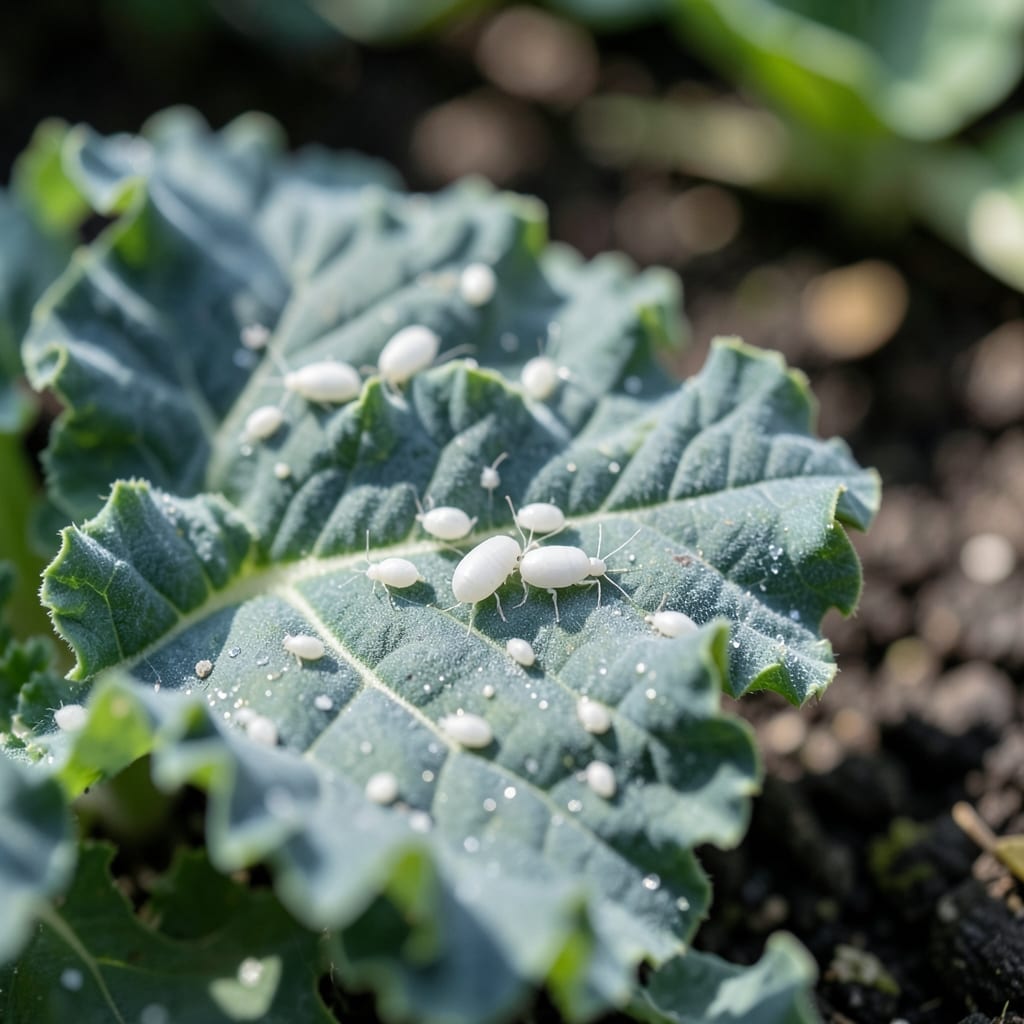
Spotted white dots on your kale leaves? I’ve been there—watching those tiny invaders multiply overnight is enough to make any gardener panic.
Here’s the thing—most white bugs on kale are either aphids or mealybugs, and they both leave behind sticky residue and curled leaves. The good news? You can identify them with a quick inspection and a magnifying glass.
I’ve tested every organic solution in the book, and the non-toxic ones work just as well as chemicals. A strong blast of water, some soapy spray, or even ladybugs can turn the tide in 48 hours.
Prevention is easier than cure, though. Healthy plants, regular checks, and proper spacing keep these pests from ever getting a foothold.
White bugs on kale often appear due to specific environmental or biological triggers. Understanding these causes helps you address the root of the problem effectively.
Kale planted too closely together creates a humid, sheltered environment that aphids and whiteflies love. These pests thrive in stagnant air and shaded foliage, where natural predators like ladybugs can’t reach them. Thin seedlings to 12–18 inches apart to improve airflow and reduce pest hotspots.
Overwatering or poor drainage leads to damp soil and foliage, which attracts mealybugs and encourages fungal growth that weakens plants. Water kale at the base in the morning so leaves dry quickly, and ensure soil has good drainage to discourage moisture-loving pests.
Hot, dry weather stresses kale and makes it more susceptible to cabbage whites (butterfly larvae) and aphid infestations. These pests multiply rapidly in stable, warm climates. Using row covers in peak summer can physically block adults from laying eggs on leaves.
Monoculture plantings (only kale) lack natural pest predators. Introducing companion plants like nasturtiums, dill, or marigolds attracts beneficial insects that feed on white bugs, restoring balance to your garden ecosystem.
Dealing with white bugs on your kale doesn’t have to mean reaching for harsh chemicals. Here’s how to tackle the most common causes with simple, effective fixes—and keep your greens thriving.
If you spot clusters of tiny white or green bugs, aphids are likely the culprit. Spray them off with a strong stream of water from your hose, focusing on the undersides of leaves where they hide. For stubborn infestations, mix 1 teaspoon of mild soap with 1 quart of water and spray directly onto the bugs. Reapply every few days until they’re gone.
Prevention tip: 💡 Encourage ladybugs—natural aphid predators—by planting companion flowers like marigolds or alyssum nearby.
Mealybugs look like tiny cotton balls and often cluster in leaf axils or stems. Dab them with a cotton swab dipped in rubbing alcohol (70% isopropyl) to dissolve their protective coating. For larger infestations, remove heavily affected leaves and isolate the plant to prevent spreading.
Prevention tip: ✨ Avoid over-fertilizing with nitrogen, which attracts mealybugs. Use balanced organic fertilizers instead.
Whiteflies scatter like tiny white moths when disturbed. Set up yellow sticky traps near your kale to catch adults. For larvae, spray leaves with neem oil (mix according to package instructions) to disrupt their life cycle. Apply in the early morning or evening to avoid harming beneficial insects.
Prevention tip: 🎯 Use row covers early in the season to block adult whiteflies from laying eggs on your plants.
Strong plants resist pests better. Water at the base (not the leaves) to reduce humidity, which attracts bugs. Remove weeds and debris around your garden, as they can harbor pests. Finally, inspect new plants before bringing them near your kale to avoid introducing infestations.
Use a magnifying glass to inspect closely. Bugs like aphids or mealybugs will move when disturbed, while fungal spots stay fixed. Shake the leaves gently—tiny flying insects confirm a pest problem.
Yes, aphids and whiteflies can quickly move to nearby plants. Isolate affected kale immediately and treat all plants in the vicinity. Regular inspections help catch new infestations early.
Wash leaves thoroughly with water and a bit of vinegar. If the infestation is severe or you’ve used chemical treatments, it’s best to discard affected leaves. Always rinse homegrown produce before eating.
Inspect plants at least twice weekly during warm weather. Focus on leaf undersides where bugs hide. Early morning is ideal as pests are less active then.