
Beautiful Plants For Your Interior
Beautiful Plants For Your Interior
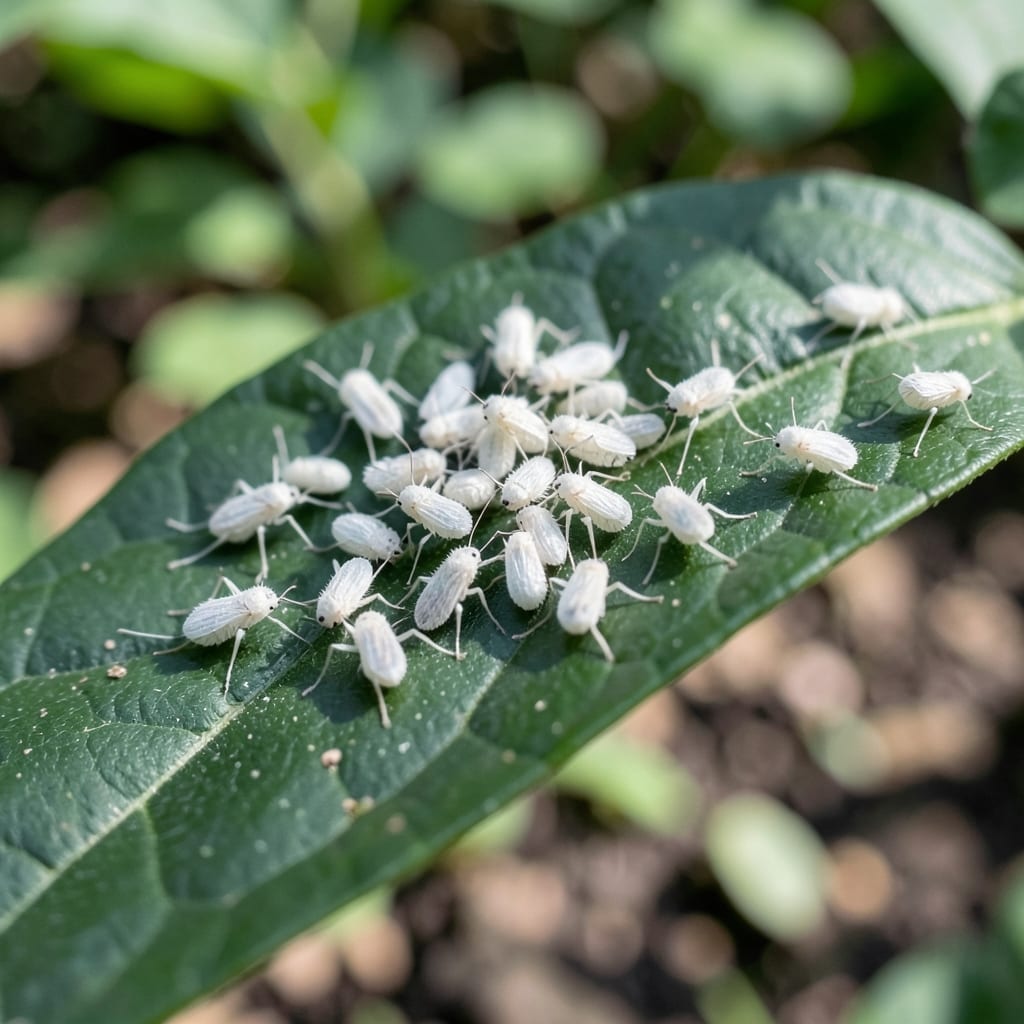
White bugs in your Mississippi garden can turn healthy plants into struggling survivors overnight. I’ve seen aphids, mealybugs, and whiteflies wreak havoc on everything from tomatoes to roses, but the right approach stops them fast.
These pests suck sap from leaves, stunt growth, and spread disease. The good news? Natural solutions like neem oil, insecticidal soap, or even a strong blast of water can knock them back without harsh chemicals.
Prevention is simpler than you think—keep plants healthy, encourage beneficial insects, and inspect leaves regularly. A little vigilance saves you hours of damage control later.
Whether you’re dealing with a full infestation or just a few stragglers, the fix starts with knowing exactly what you’re up against.
White bugs in gardens often thrive due to specific environmental and biological factors. Mississippi’s warm, humid climate creates ideal conditions for many pest species. Below are the primary causes behind their appearance in your garden.
Mississippi’s subtropical climate, with high humidity and warm temperatures, accelerates the life cycles of pests like whiteflies, aphids, and mealybugs. These insects reproduce rapidly in such conditions, leading to infestations if left unchecked. The lack of harsh winters allows populations to persist year-round.
Stressed or densely planted gardens provide prime breeding grounds for white bugs. Overcrowding reduces airflow, trapping moisture and creating a haven for pests. Weak or nutrient-deficient plants are also more susceptible to infestations, as they lack the vigor to resist attacks.
Overwatering or poor drainage can lead to fungal growth and soft plant tissues, which attract white bugs. Mealybugs, for example, thrive in damp environments, while whiteflies are drawn to the sap of waterlogged plants. Proper irrigation practices can help deter these pests.
When beneficial insects like ladybugs, lacewings, or parasitic wasps are absent, white bug populations can spiral out of control. Pesticide overuse often disrupts these natural predator-prey balances, allowing pests to flourish unchecked.
Dealing with white bugs in your Mississippi garden? Here’s how to tackle each common cause with simple, effective fixes—and keep them from coming back.
Use a strong spray of water from a garden hose to knock aphids off plants. For stubborn infestations, apply neem oil or insecticidal soap, focusing on the undersides of leaves. Prevention tip: 💡 Attract natural predators like ladybugs by planting marigolds or yarrow nearby.
Dab mealybugs with a cotton swab soaked in rubbing alcohol to remove them instantly. For larger outbreaks, spray with horticultural oil or introduce lacewings, their natural enemies. Prevention tip: 🌡️ Avoid over-fertilizing, as these pests thrive on soft, new growth.
Hang yellow sticky traps near affected plants to catch adult whiteflies. Apply reflective mulch to disorient them and reduce laying eggs. Prevention tip: ✨ Rotate crops and remove plant debris to eliminate breeding grounds.
Gently scrape off scales with a soft brush or cloth. Follow up with a dormant oil spray in early spring or late fall to suffocate remaining pests. Prevention tip: 🎯 Inspect new plants before bringing them into your garden to avoid introducing scales.
For all white bugs, regularly inspect your plants and act at the first sign of trouble. A little vigilance goes a long way in keeping your Mississippi garden thriving! 🌱
White bugs often appear as tiny cottony tufts (mealybugs), winged moth-like insects (whiteflies), or small green/white ovals (aphids). Check leaf undersides and stems for clusters or sticky residue.
They target soft plants like tomatoes, roses, and squash but rarely bother woody species. Sap-sucking pests weaken growth and spread disease, especially in crowded gardens.
Yes! A 1:10 dish soap-water spray or neem oil works for light infestations. For severe cases, introduce ladybugs or use yellow sticky traps.
Overwatering, poor airflow, or lack of predators encourages reinfestation. Remove plant debris and avoid over-fertilizing to break their life cycle.