
Beautiful Plants For Your Interior
Beautiful Plants For Your Interior
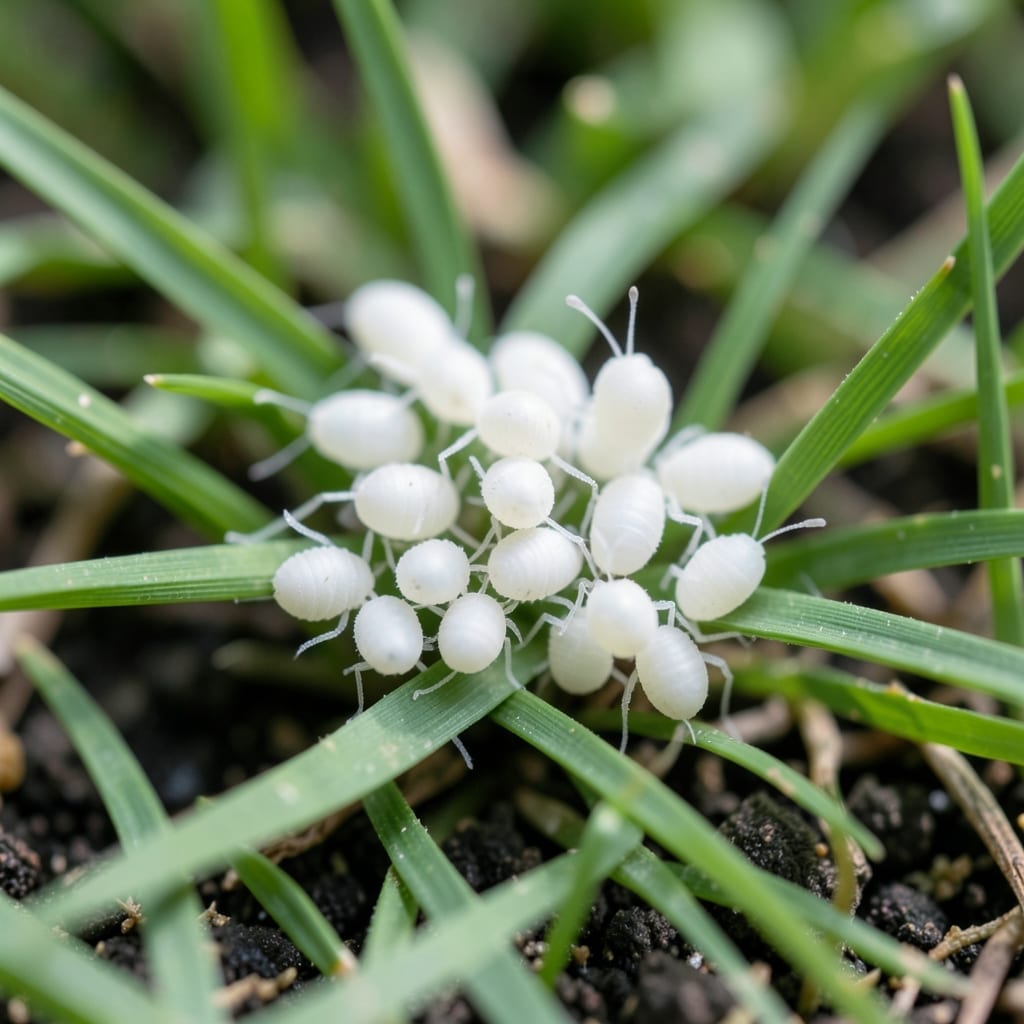
White bugs in your lawn can turn a healthy green space into a brown, patchy mess overnight. I’ve seen it happen—one day your grass looks fine, the next, it’s struggling.
The culprits are usually grubs, mealybugs, or chinch bugs, and they’re sneaky. They feed on roots or sap, weakening the grass from the ground up before you even notice the damage.
Luckily, organic solutions like neem oil or beneficial nematodes can tackle the problem without harsh chemicals. A little vigilance now saves weeks of recovery later.
Prevention is simpler than you think: proper watering, aeration, and regular mowing keep your lawn resilient against these pests.
White bugs in your grass often signal an underlying issue in your lawn’s ecosystem. Understanding the root causes helps you address the problem effectively and prevent future infestations. Below are the most common reasons these pests emerge.
Excess moisture creates the perfect breeding ground for white bugs like grubs, mealybugs, or springtails. Overwatered soil lacks oxygen, which weakens grass roots and invites pests. Poor drainage exacerbates the issue, leaving soil soggy and inviting to moisture-loving insects. Action: Reduce watering frequency and improve drainage with aeration or organic matter like compost.
A thick layer of thatch or leaf litter traps moisture and blocks sunlight, fostering an environment where white bugs thrive. Thatch—undecomposed plant material—also shelters pests from predators. Action: Dethatch your lawn annually and remove debris to disrupt their habitat.
Beneficial insects like ground beetles, nematodes, and birds keep white bug populations in check. Overuse of chemical pesticides can kill these predators, allowing pests to multiply unchecked. Action: Introduce natural predators or use organic treatments like neem oil or beneficial nematodes.
White bugs, such as whiteflies or woolly aphids, flourish in warm, humid conditions. These climates accelerate their life cycles, leading to rapid infestations. Action: Monitor weather patterns and treat preventatively during peak humidity periods.
Lawns with excessive nitrogen or deficient in key nutrients (like potassium or phosphorus) are more susceptible to pests. Over-fertilizing can soften grass, making it easier for bugs to feed. Action: Test your soil and adjust fertilization to maintain a balanced, resilient lawn.
Tackling those tiny white pests in your grass starts with identifying the cause and applying the right fix. Here’s a practical, step-by-step guide to restore your lawn’s health.
If soggy soil is attracting fungus gnats or springtails, cut back on watering. Let the top inch of soil dry out between sessions. Water early in the morning to allow sunlight to evaporate excess moisture. Consider installing a rain gauge to avoid overdoing it during wet weeks.
Thatch, fallen leaves, and grass clippings create a cozy home for whiteflies and mealybugs. Rake your lawn weekly, and never let clippings pile up. For stubborn thatch, use a dethatching rake or rent a power dethatcher in early spring or fall.
Introduce beneficial insects like ladybugs or lacewings, which feast on white bugs. For a quick knock-down, spray a mix of 1 tbsp dish soap + 1 quart water directly on infested areas. Reapply every few days until the pests vanish. Neem oil (diluted per label instructions) also works as a preventative.
Weak, compacted soil invites pests. Aerate your lawn annually, then top-dress with ½ inch of compost to improve drainage and nutrient content. Test your soil’s pH—most grasses thrive at 6.0–7.0. Adjust with lime (to raise pH) or sulfur (to lower it) as needed.
💡 Prevention Tips: Mow high (3–4 inches) to shade the soil and discourage bugs. Rotate watering spots to avoid soggy patches. Apply organic fertilizer in spring and fall to keep grass resilient. Finally, inspect new plants or sod for pests before introducing them to your lawn.
Yes, many white bugs like grubs and mealybugs damage grass by feeding on roots or sap. Left untreated, they can cause brown patches and weaken your lawn significantly.
Check their location and appearance. Grubs are C-shaped and live in soil, while mealybugs look cottony and cluster on blades. A magnifying glass helps spot tiny details.
Beneficial nematodes target grubs, while neem oil or a 1 tbsp dish soap + 1 quart water spray works for surface pests. Apply in the evening for best results.
Excess moisture attracts moisture-loving pests like springtails and fungus gnats. Reduce watering and improve drainage to discourage them.