
Beautiful Plants For Your Interior
Beautiful Plants For Your Interior
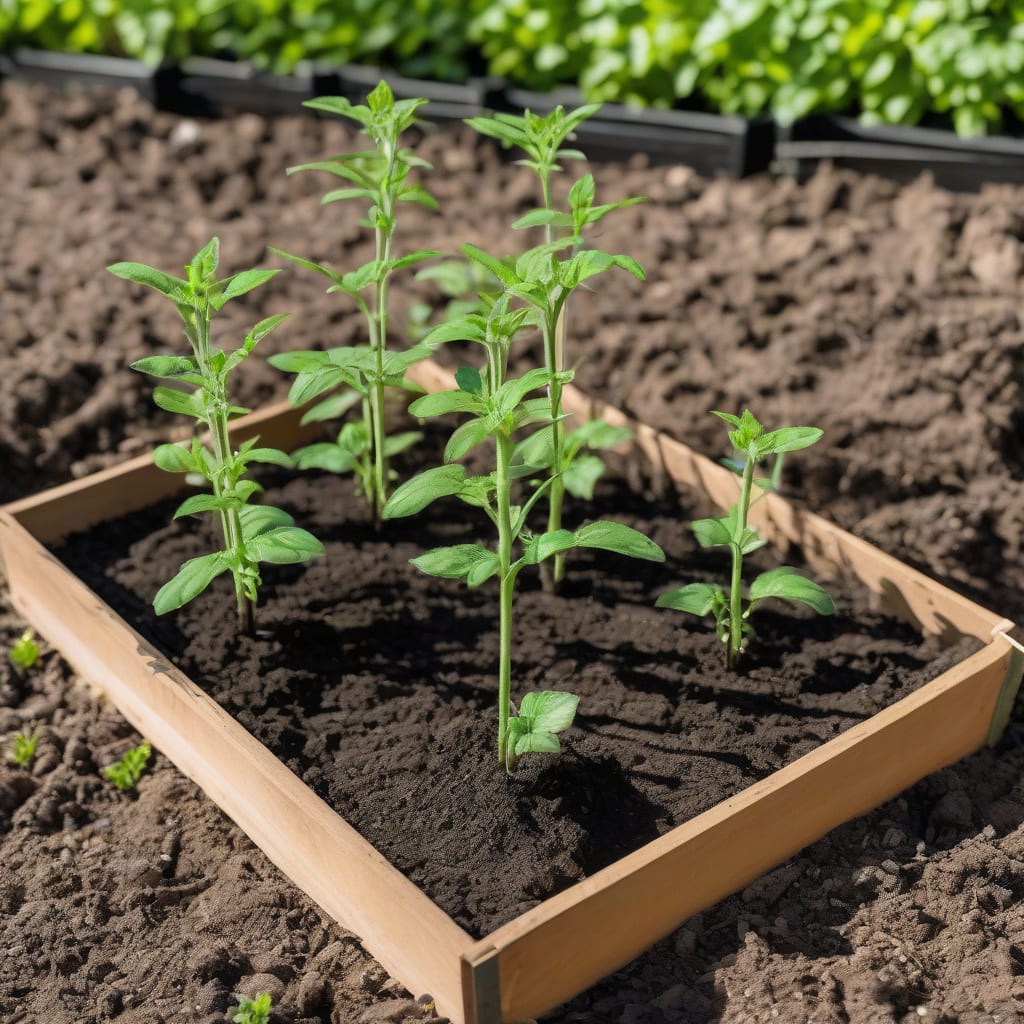
Growing tomatoes 🍅 in Zone 7 can be a rewarding experience, but timing is everything. Planting at the right moment ensures a bountiful harvest and avoids common issues like frost damage.
I’ve learned that in Zone 7, the ideal time to plant tomatoes is in late spring, typically around late April to early May. This allows the plants to thrive during the warm summer months. Let’s dive into the details.
Ideal Time
Also Good
Understanding the optimal timing for planting tomatoes in Zone 7 is crucial for a successful harvest. The key factors to consider are the last frost date and soil temperature. Tomatoes thrive in warm conditions, and planting at the right time ensures they have enough time to mature before the first fall frost.
In Zone 7, the average last frost date is around April 15. It’s essential to wait until after this date to plant tomatoes outdoors. Planting too early can expose young plants to frost damage, while planting too late may not give them enough time to mature.
Soil temperature is another critical factor. Tomatoes grow best when the soil temperature is at least 55°F (13°C). You can check soil temperature with a soil thermometer. If you’re starting seeds indoors, begin 6-8 weeks before the last expected frost date.
For Zone 7, the ideal planting window is typically late April to early May. This timing allows the plants to establish themselves before the heat of summer and to produce fruit before the first fall frost.
To further optimize your tomato planting, consider the specific microclimate in your garden. Factors such as elevation, soil type, and proximity to large bodies of water can influence local temperature and frost patterns.
By
To ensure a successful tomato harvest, it’s also crucial to prepare your soil properly. This includes testing your soil pH and adjusting it if necessary, as tomatoes prefer a slightly acidic to neutral soil pH (around 6.0-7.0).
Another important consideration is choosing the right tomato variety. For Zone 7, both determinate and indeterminate varieties can thrive, but indeterminate varieties may require more support as they grow.
By understanding these factors and planning accordingly, you can enjoy a bountiful tomato harvest in Zone 7. Whether you’re a seasoned gardener or just starting out, paying attention to these details will help you grow delicious, healthy tomatoes. 🌟
In summary, the key to successful tomato planting in Zone 7 is timing your planting to avoid frost and ensuring the soil is warm enough for optimal growth. With these tips in mind, you’ll be on your way to enjoying fresh, homegrown tomatoes all summer long. 🌼
Preparing your garden for tomato planting in Zone 7 involves several key steps to ensure a successful harvest. First, it’s essential to prepare your soil properly. Tomatoes thrive in well-draining, fertile soil with a pH between 6.0 and 7.0. Begin by testing your soil to determine its pH level and nutrient content.
Based on your soil test results, you may need to amend your soil. Add compost or well-rotted manure to improve soil fertility and structure. These organic amendments will help provide nutrients to your tomato plants throughout the growing season.
In addition to soil preparation, choosing the right tomato variety is crucial. For Zone 7, both determinate and indeterminate varieties can thrive. Determinate varieties are often preferred for their compact growth habit and earlier harvest, while indeterminate varieties offer a longer harvest period.
When planning your garden layout, ensure that your tomato plants will receive adequate sunlight. Tomatoes need at least 6 hours of direct sunlight per day. Proper spacing between plants is also essential to prevent disease and ensure good air circulation. Typically, tomato plants should be spaced 2-3 feet apart within rows, with rows spaced 3-4 feet apart.
By following these steps, you’ll be well-prepared for a successful tomato harvest in Zone 7. Proper soil preparation and garden planning set the stage for healthy, productive plants. 🌼
Another important consideration is crop rotation. Avoid planting tomatoes in the same location year after year to reduce the risk of soil-borne diseases. Rotate your crops to maintain soil health and prevent pest buildup.
With careful planning and preparation, you’ll be enjoying a bountiful tomato harvest in no time. Happy gardening! 🌟
After successfully planting your tomatoes in Zone 7, proper post-planting care is crucial for a bountiful harvest. This includes watering, mulching, and supporting your plants. Let’s explore these aspects in detail.
Water your tomatoes deeply and consistently, especially during dry spells. Aim for about 1-2 inches of water per week, either from rainfall or irrigation.
Watering is one of the most critical aspects of post-planting care. Tomatoes need consistent moisture, especially when they’re producing fruit. Water them early in the morning to minimize evaporation and reduce the risk of disease.
Mulching around your tomato plants helps retain soil moisture, suppress weeds, and regulate soil temperature. Organic mulches like straw or grass clippings work well. Apply a 2-3 inch layer of mulch around your plants, keeping it a few inches away from the stem to prevent rot.
Supporting your tomato plants is also essential, especially for indeterminate varieties. Use tomato cages, trellises, or stakes to keep the plants upright and encourage better fruiting. This support helps prevent the plants from sprawling on the ground, where they’re more susceptible to disease and pests.
Keep an eye out for common pests and diseases in Zone 7, such as hornworms, blight, and septoria leaf spot. Regularly inspect your plants and take action at the first sign of trouble. Use organic pest control methods whenever possible to minimize environmental impact.
By following these post-planting care tips, you’ll be well on your way to enjoying a healthy and productive tomato harvest in Zone 7. Happy gardening! 🌼
Remember, consistent care and attention to your tomato plants will pay off with a bountiful harvest. 🌟
The ideal time to plant tomatoes in Zone 7 is typically late April to early May, after the last frost date. This allows the plants to establish themselves before the heat of summer. Make sure the soil temperature is at least 55°F (13°C) for optimal growth.
To prepare your soil, start by testing its pH level and nutrient content. Tomatoes prefer well-draining, fertile soil with a pH between 6.0 and 7.0. Add compost or well-rotted manure to improve soil fertility and structure. This will help provide nutrients to your tomato plants throughout the growing season.
For Zone 7, both determinate and indeterminate tomato varieties can thrive. Determinate varieties are often preferred for their compact growth habit and earlier harvest, while indeterminate varieties offer a longer harvest period. Choose varieties that are resistant to common diseases in your area.
Water your tomatoes deeply and consistently, especially during dry spells. Aim for about 1-2 inches of water per week, either from rainfall or irrigation. Water them early in the morning to minimize evaporation and reduce the risk of disease.
