
Beautiful Plants For Your Interior
Beautiful Plants For Your Interior
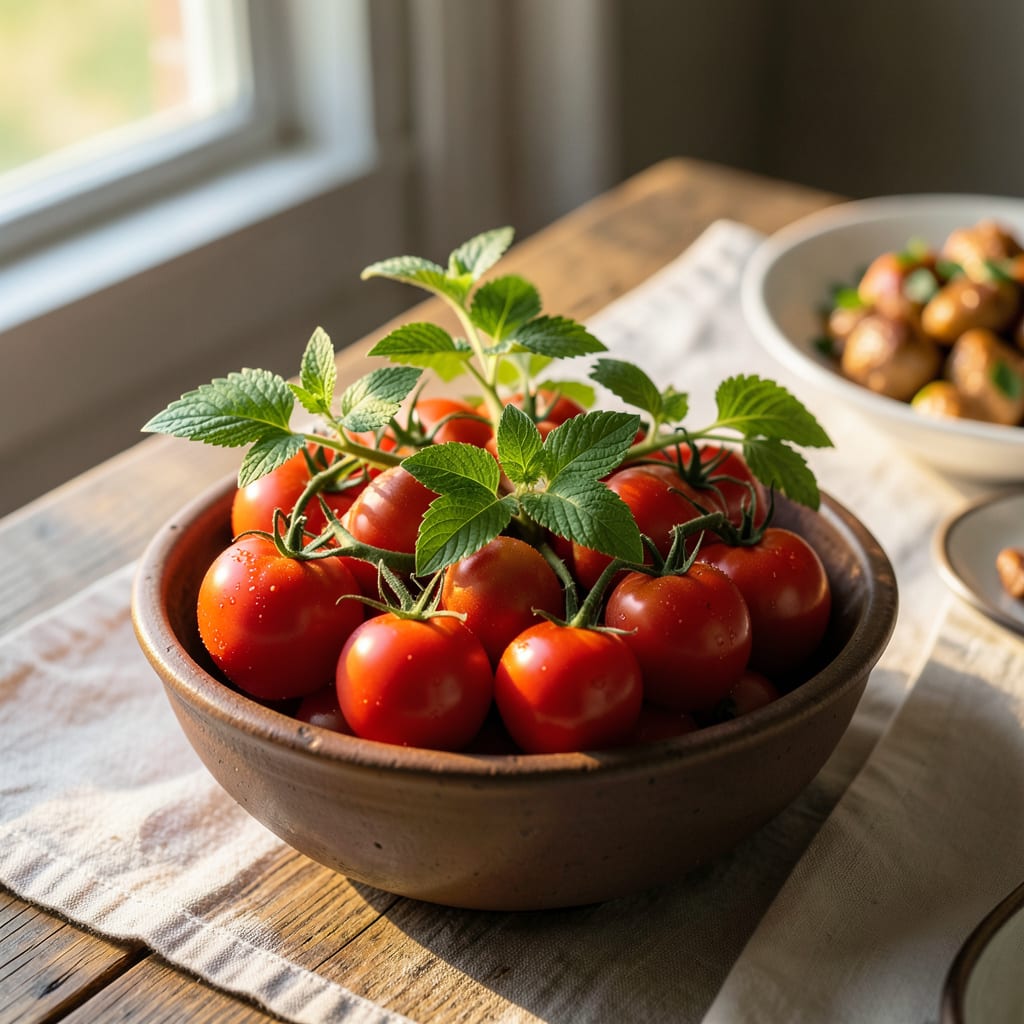
As spring arrives in Georgia, gardeners eagerly anticipate planting their 🍅 Tomato seedlings. The key to a successful harvest lies in timing – planting too early can mean frost damage, while too late means missing the optimal growing window.
In Georgia’s USDA zones 8a/8b, the ideal time to plant 🍅 Tomatoes is between late March and early May, when soil temperatures have warmed up and the risk of frost has passed. Let’s explore the best practices for planting Tomatoes in Georgia.
Ideal Time
Also Good
Understanding the best time to plant tomatoes in Georgia requires considering the state’s diverse climate regions. The ideal planting time varies across the coastal, piedmont, and mountain areas due to differences in frost dates and soil temperature.
Georgia’s climate ranges from USDA zones 8a/8b, meaning the state has a relatively long growing season. However, the specific planting window depends on your location within the state.
The coastal region typically has an earlier planting season due to its milder winters and warmer springs. Gardeners here can usually start planting tomatoes in late February to early March.
In the piedmont region, which includes cities like Atlanta, gardeners should wait until mid to late March to plant tomatoes. This allows the soil to warm up sufficiently and avoids late frosts.
The mountain region has the latest planting time, typically from early to mid-April. This delay is necessary to ensure that the soil has warmed up and the risk of frost has passed.
When determining the best time to plant tomatoes in Georgia, it’s essential to consider both the last frost date for your area and the soil temperature. Tomatoes thrive in soil that has reached at least 55°F (13°C).
By understanding these regional differences and waiting for the appropriate planting window, Georgia gardeners can set themselves up for a successful tomato harvest. 🌱
To maximize your tomato crop, remember that Georgia’s frost-free days range from March 15 to November 15, providing a lengthy growing season. The ideal months for planting tomatoes are March and April, with February and May being good alternatives depending on your specific location.
Successful tomato cultivation in Georgia requires careful planning and attention to local climate conditions. By planting at the right time for your region, you’ll be on your way to enjoying a bountiful harvest of delicious homegrown tomatoes. 🌟
For more specific guidance tailored to your exact location within Georgia, consider consulting local gardening resources or your county’s cooperative extension service. They can provide detailed information on frost dates and other climate factors that will help you optimize your tomato planting schedule.
By combining this regional information with proper soil preparation and care, you’ll be well on your way to growing thriving tomato plants that produce a abundant harvest. The key is to be patient and wait for the right moment to plant, ensuring your tomatoes have the best possible start in Georgia’s climate.
Successful tomato cultivation in Georgia begins with proper preparation of your garden. Before planting, it’s essential to prepare your soil to create an optimal growing environment for your tomato plants.
First, test your soil to determine its pH level and nutrient content. Tomatoes prefer a slightly acidic to neutral soil pH between 6.0 and 7.0. Based on your soil test results, add necessary amendments to adjust the pH and improve soil fertility.
When preparing your garden, consider the crop rotation to avoid depleting the soil of specific nutrients and to reduce the risk of disease buildup. Tomatoes should not be planted in the same spot year after year.
By following these essential steps, you’ll create a fertile and well-draining soil environment that will support healthy tomato plant growth throughout the growing season. 🌿
Additionally, consider using raised beds or containers if your native soil is heavy clay or poorly draining. This will help improve soil warmth and drainage, giving your tomatoes a better start.
With your garden prepared and the right tomato varieties chosen, you’ll be ready to take advantage of Georgia’s long growing season and enjoy a bountiful harvest of delicious homegrown tomatoes. 🌟
For more specific advice on preparing your garden for tomato planting, consult with local gardening experts or your county’s cooperative extension service for guidance tailored to your specific location within Georgia.
Georgia’s climate can be challenging for tomato plants, with hot summers and occasional late frosts. To ensure a successful harvest, it’s crucial to protect your plants from these weather extremes.
One of the most significant threats to tomato plants in Georgia is heat stress. When temperatures soar, tomato plants can suffer from sunscald and reduced fruit production. To mitigate this, provide your plants with adequate water and consider using shade cloth during the hottest part of the day.
If a late frost is predicted, cover your tomato plants with frost blankets or row covers to protect them from damage. Remove the covers during the day to allow for sunlight and air circulation.
In addition to heat stress, tomato plants in Georgia may also face challenges from late frosts. If a frost is predicted after you’ve already planted your tomatoes, be prepared to protect your plants.
To manage weather-related challenges, keep an eye on local weather forecasts and be prepared to take action. By protecting your tomato plants from Georgia’s weather extremes, you’ll be able to enjoy a healthy and productive harvest. 🌟
For more specific guidance on managing weather-related challenges in your area, consult with local gardening experts or your county’s cooperative extension service. They can provide valuable advice tailored to your specific location within Georgia.
By following these tips and staying vigilant, you’ll be well on your way to growing thriving tomato plants that produce a bountiful harvest despite Georgia’s weather extremes.
Tomatoes thrive in soil that has reached at least 55°F (13°C). You can check soil temperature with a soil thermometer, usually available at gardening stores. Waiting for the soil to warm up ensures better root growth and faster establishment.
In Georgia’s climate, tomato plants typically need watering every 3-4 days. However, during hot summer months, you may need to water more frequently, every 2-3 days.
For Georgia’s climate, look for disease-resistant and heat-tolerant tomato varieties. Popular choices include ‘Better Boy’, ‘Early Girl’, and ‘Cherokee Purple’. These varieties are known for their performance in the southeastern United States.
If a late frost is predicted, cover your tomato plants with frost blankets or row covers to protect them from damage. Remove the covers during the day to allow for sunlight and air circulation. This simple step can save your plants from unexpected frost damage.
