
Beautiful Plants For Your Interior
Beautiful Plants For Your Interior
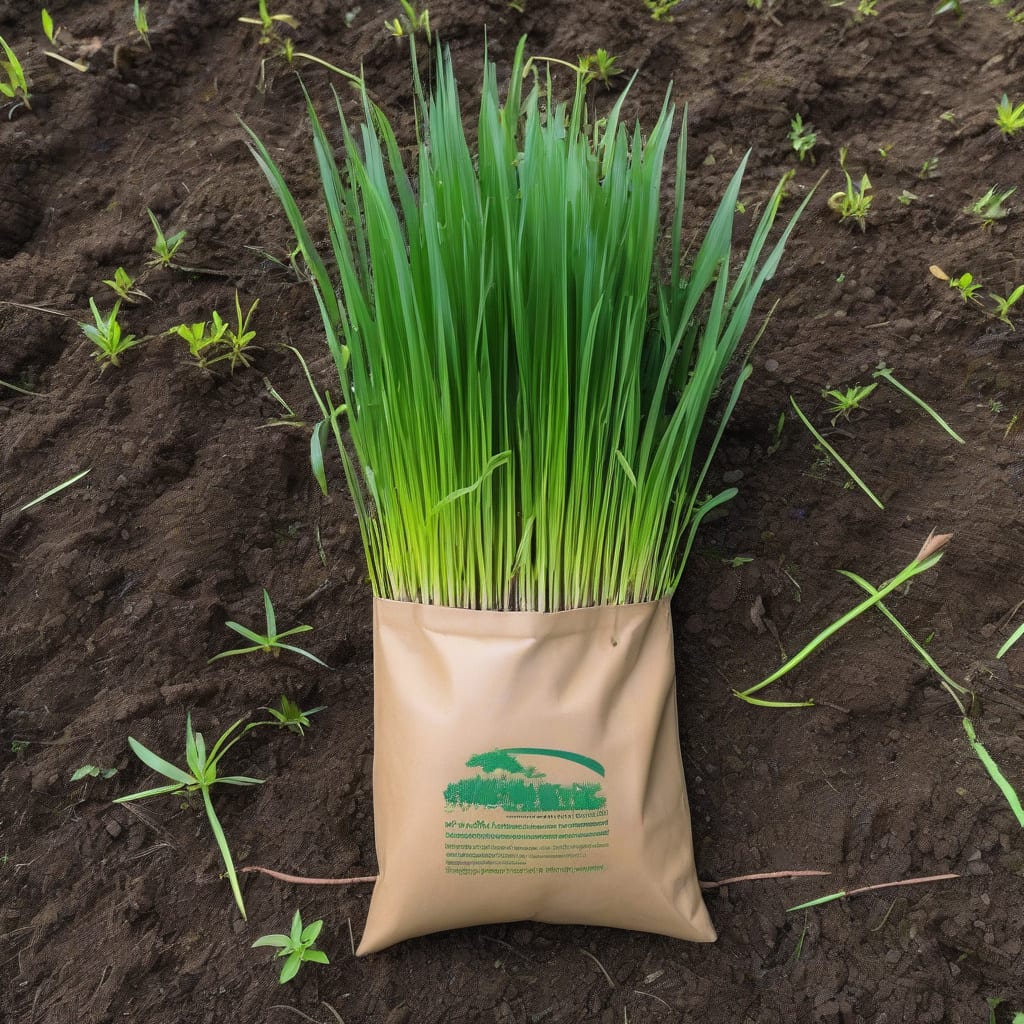
Planting Grass 🌿 in Kentucky requires timing it just right. The state’s climate means you’ve got specific windows to get it done.
In Kentucky’s 6b zone, the ideal times are early fall or early spring when temperatures are just right. Let’s explore how to make the most of these planting windows for a lush lawn.
In Kentucky, the ideal times to plant grass seed are during the early fall or early spring. These periods offer the most favorable conditions for seed germination and establishment 🌱.
The state’s climate, characterized by hot summers and cold winters, makes it essential to time grass seed planting correctly. The cool-season grasses thrive when planted in early fall, about 45 days before the first frost, while early spring planting allows the grass to establish before the hot summer weather 🌞.
Understanding Kentucky’s climate zones is crucial for determining the best planting times. The state spans across different USDA Hardiness Zones, with the western part being generally warmer than the eastern regions ❄️.
Cool-season grasses, such as Kentucky bluegrass and tall fescue, are the most common types in the region. These grasses thrive in the cooler temperatures of spring and fall, making these seasons ideal for planting 🌿.
For cool-season grasses, early fall planting is often considered the best time. It allows the grass to establish before winter and gives it a head start in the following spring 🌱.
Early summer** is another potential time for planting, but it may require more frequent watering due to warmer temperatures ☀️.
While these are the general guidelines, specific weather conditions can vary from year to year. It’s essential to check local forecasts and soil temperature before planting 🌱.
The USDA Hardiness Zone for Kentucky is primarily 6b, which influences the planting schedule. Gardeners should be aware of their specific zone to adjust planting times accordingly 🌟.
For areas with clay soils, it’s crucial to avoid planting when the soil is too wet, as this can lead to poor drainage and root rot. Sandy soils, on the other hand, may require more frequent watering ⛈️.
Pre-planting preparation is key to successful grass seed establishment. This includes soil testing, aeration, and removing debris 🌿.
By understanding these factors and timing the planting correctly, Kentucky residents can achieve a lush, healthy lawn that thrives throughout the year 🌸.
For more specific advice tailored to your local conditions, consult with a local nursery or extension service for the most up-to-date information 📚.
Proper lawn care practices, including mowing, watering, and fertilizing, will help maintain the health and appearance of your lawn throughout the seasons 🌻.
Before planting grass seed in Kentucky, proper preparation is crucial for successful establishment 🌱. The state’s climate and soil conditions require careful consideration to ensure a healthy lawn.
Soil testing is the first step in preparing your lawn. It helps determine the pH level and nutrient content, allowing you to make necessary adjustments for optimal grass growth 📊.
Proper preparation helps create an ideal environment for grass seed germination and establishment 🌿. By following these steps, you can ensure a healthy start for your new lawn 🌱.
Lawn preparation is key to successful grass seed planting. Taking the time to prepare your soil properly will pay off with a lush, healthy lawn that thrives throughout the year 🌸.
For more specific advice tailored to your local conditions, consult with a local nursery or extension service for the most up-to-date information 📚.
By understanding Kentucky’s climate and soil conditions, you can make informed decisions about the best time to plant grass seed and how to care for your lawn throughout the seasons 🌻.
Proper lawn care practices, including mowing, watering, and fertilizing, will help maintain the health and appearance of your lawn throughout the year 🌼.
After planting grass seed in Kentucky, proper care is essential for successful establishment and a healthy lawn 🌿. The first few weeks are critical for germination and root development.
Keep the soil consistently moist during the first few weeks after planting. Water lightly but frequently to prevent washing away the seeds 💧.
Watering is crucial during the germination period, which typically lasts 7-14 days. Maintain soil moisture by watering lightly multiple times a day if necessary ⛅.
Once the new grass reaches 2-3 inches in height, begin mowing at the recommended height for your grass type 🌱. Keep your mower blades sharp to prevent tearing the grass.
Fertilization should be done carefully. Avoid fertilizing immediately after seeding. Wait until the new grass has been mowed at least twice before applying a starter fertilizer 🌼.
For cool-season grasses, a balanced fertilizer (e.g., 10-10-10 NPK) is suitable. Follow the manufacturer’s instructions for application rates 📦.
Weed control is also important. Monitor your lawn for weeds and consider using a pre-emergent herbicide to prevent crabgrass and other annual weeds 🚫.
By following these post-planting care tips, you can ensure your new grass seed establishes well and grows into a lush, healthy lawn 🌸.
Regular maintenance, including proper mowing, watering, and fertilizing, will help your lawn thrive throughout the seasons 🌻.
For specific advice tailored to your local conditions, consult with a local nursery or extension service for the most up-to-date information 📚.
The ideal times to plant grass seed in Kentucky are early fall (about 45 days before the first frost) or early spring when soil temperatures reach 55-65°F. These periods provide optimal conditions for seed germination and establishment.
While it’s possible to plant grass seed in Kentucky during early summer, it requires more frequent watering due to warmer temperatures. However, this isn’t the most ideal time as high temperatures can stress young seedlings.
Grass seed germination typically takes 7-14 days in Kentucky’s climate. Keep the soil consistently moist during this period by watering lightly multiple times a day if necessary.
Cool-season grasses like Kentucky bluegrass and tall fescue are most common in Kentucky. They thrive in the cooler temperatures of spring and fall, making these seasons ideal for planting.
