
Beautiful Plants For Your Interior
Beautiful Plants For Your Interior
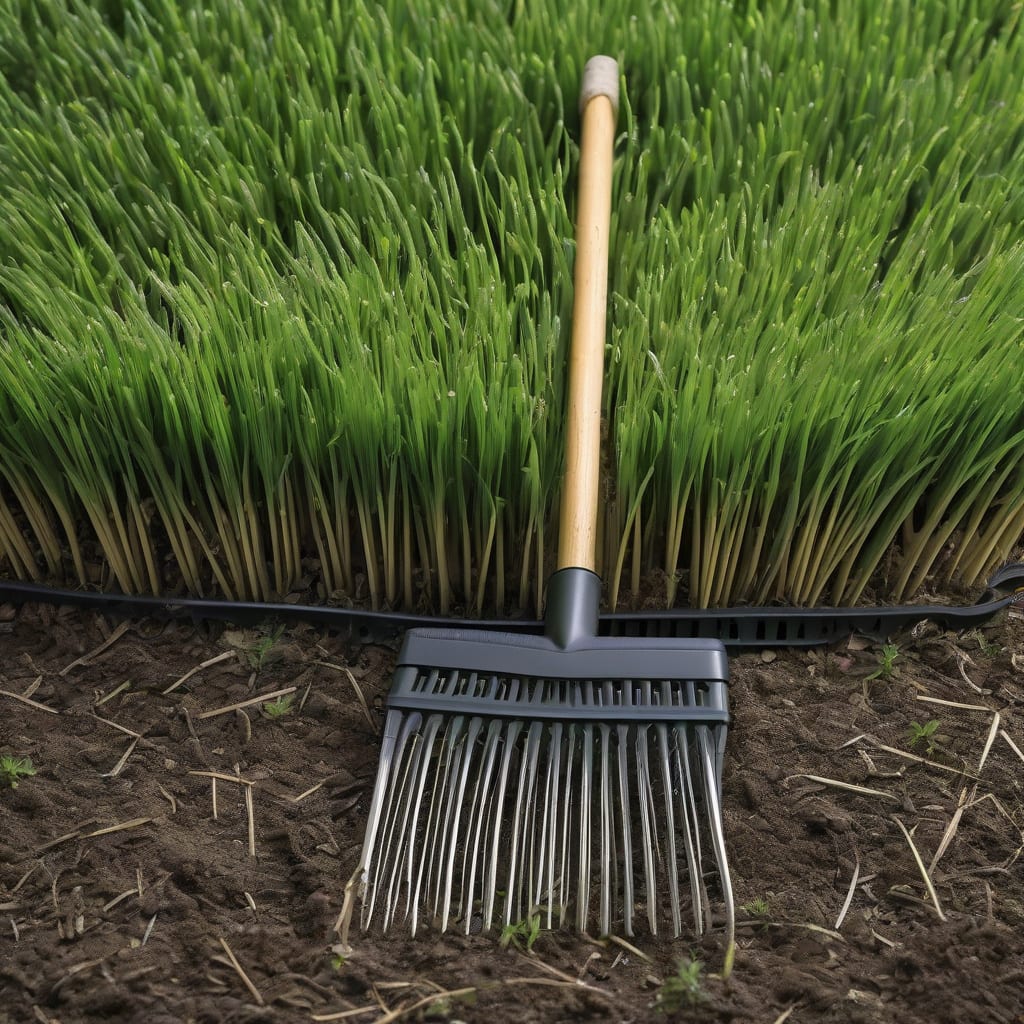
Planting Grass 🌿 in Florida requires precise timing to achieve a lush, healthy lawn. The state’s subtropical climate means you need to choose the right moments to sow your seeds.
In Florida’s USDA zones 9-11, the ideal planting windows are during late spring and early fall. I’ll guide you through the best times and techniques for successful germination.
Ideal Time
Also Good
Planting grass seed in Florida requires understanding the state’s different climate zones. The ideal planting times vary across north, central, and south Florida, so I’ll break down the optimal windows for each region.
Florida’s climate ranges from humid subtropical in the north to tropical in the south. This variation affects when you should plant grass seed 🌿.
The ideal months for planting grass seed in Florida are typically April, May, September, and October. These periods offer warm soil temperatures and adequate moisture, promoting healthy germination 🌱.
In north Florida, you can plant <Late Summer and Early Fall. For Central Florida, Spring and Early Fall are best. In South Florida, the Dry Season (winter) is ideal 🌴.
When choosing a grass type, consider factors like sunlight, soil type, and local climate conditions. St. Augustinegrass and Bahiagrass are popular choices for Florida lawns 🌿.
The USDA zones for Florida range from 9 to 11, indicating a generally warm climate. This means you can grow a variety of grass types throughout the state 🌟.
Soil preparation is crucial before planting. Test your soil to determine its pH level and nutrient content. Add organic matter like compost to improve soil structure and fertility 🌿.
To prepare your lawn, remove any existing vegetation and loosen the top 8-10 inches of soil. This helps roots establish more easily. You can also apply a starter fertilizer to promote healthy growth 🌼.
After planting, keep the soil consistently moist during the germination period (usually 7-14 days). Water lightly but frequently to avoid washing away the seeds or causing erosion 💧.
Once your new grass is established, maintain it with regular mowing, watering, and fertilization. This will help your lawn thrive and remain healthy throughout the year 🌿.
By following these guidelines, you can achieve a lush, healthy lawn in Florida.
Before you start planting grass seed in Florida, it’s essential to prepare your lawn properly. This includes soil preparation, removing any existing vegetation, and using the right seeding techniques 🌱.
First, test your soil to determine its pH level and nutrient content. Based on the results, you may need to add organic matter like compost to improve soil structure and fertility 🌿.
Clear the area of any debris, weeds, or existing grass. You can use a rake or a lawn aerator to loosen the soil and remove unwanted vegetation 🌼.
Loosen the top 8-10 inches of soil to help roots establish more easily. This can be done using a garden fork or a rototiller 🌿.
Apply a starter fertilizer to promote healthy growth. This will provide your new grass seed with the necessary nutrients to thrive 🌟.
After preparing your lawn, you can proceed with planting your grass seed.
Keep the soil consistently moist during the germination period (usually 7-14 days). Water lightly but frequently to avoid washing away the seeds or causing erosion 💧.
By following these steps, you’ll be well on your way to establishing a healthy, lush lawn in Florida 🌟.
After planting grass seed in Florida, proper care is crucial for establishing a healthy, lush lawn. I’ll guide you through the essential maintenance steps to ensure your new grass thrives 🌱.
Keep the soil consistently moist during the germination period (usually 7-14 days). Water lightly but frequently to avoid washing away the seeds or causing erosion 💧.
Watering Schedule: Continue to keep the soil moist during the first few weeks after germination. Gradually reduce watering frequency as the grass establishes 🌿.
Fertilization: Apply a starter fertilizer when the new grass is about 6 inches tall. This will promote healthy growth and help your lawn thrive 🌟.
Mowing Height: Maintain your lawn mower at the recommended height for your grass type. For most Florida grasses, this is between 2.5 and 3 inches 🌼.
Weed Control: Monitor your lawn regularly for weeds. Use a pre-emergent herbicide to prevent weed growth, and manually remove any weeds that appear 🌿.
By following these post-planting care tips, you’ll be able to enjoy a lush, healthy lawn in Florida.
For more information on lawn care in Florida, consider consulting with a local gardening expert or visiting a reputable gardening website 🌿.
The best times to plant grass seed in Florida vary by region. Generally, spring (April-May) and early fall (September-October) are ideal. These periods offer warm soil and adequate moisture for healthy germination .
While it’s possible to plant grass seed in Florida during the summer, it’s not ideal due to high temperatures and potential drought. If you must plant in summer, choose a heat-tolerant grass variety and maintain consistent moisture .
Grass seed typically germinates within 7-14 days in Florida’s warm climate. Keep the soil consistently moist during this period to support healthy growth .
Yes, soil preparation is crucial. Test your soil’s pH and nutrient levels, then add organic matter like compost to improve its structure and fertility. This helps your new grass establish strong roots .
