
Beautiful Plants For Your Interior
Beautiful Plants For Your Interior
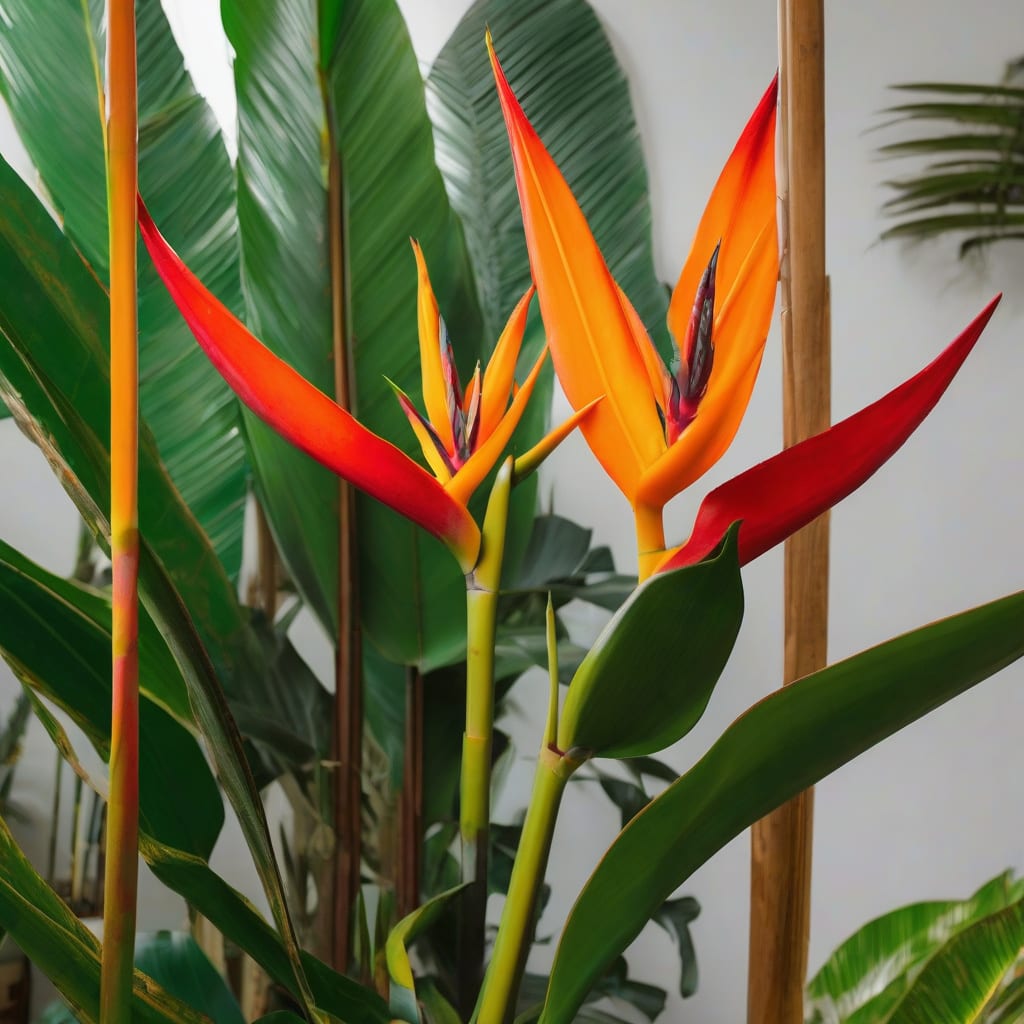
When growing Heliconia 🌺, one of the most common questions is about their height. These stunning plants can add a dramatic touch to any garden, but understanding their growth patterns is key to making the most of their unique beauty.
In USDA zone 10, Heliconias can grow anywhere from 3 to 15 feet tall, depending on the variety and growing conditions. Let’s explore what influences their height and how to make the most of these striking plants in your garden.


Heliconias are known for their vibrant colors and unique shapes, making them a popular choice among gardeners. Understanding their growth patterns is crucial for effective garden planning. The height of heliconias can vary significantly based on several factors.
Different species of heliconias can grow to varying heights. Some compact varieties may reach only 3 to 6 feet, while others can grow much taller, up to 15 feet or more in ideal conditions. 🌺
The species and growing conditions play a significant role in determining the final height of heliconias. Factors such as sunlight exposure, soil quality, and nutrient availability all contribute to their growth. 🌱
To achieve optimal height, heliconias require adequate sunlight and consistent moisture. Soil rich in organic matter also promotes healthy growth, allowing these plants to reach their full potential height.
Understanding the growth patterns of heliconias helps gardeners make informed decisions about plant placement and care. By selecting the right variety and providing appropriate growing conditions, gardeners can enjoy these beautiful plants at their full height.
Heliconias are not only admired for their height but also for their vibrant bracts and unique flowering structures. Their ability to grow tall makes them an excellent choice for adding vertical interest to garden landscapes.
In garden design, taller heliconias can serve as focal points or background plants, providing structure and height to garden beds. Their impressive stature can also offer a sense of tropical ambiance in appropriately designed landscapes.
By understanding how tall heliconias can grow and the factors that influence their height, gardeners can better plan their garden layouts and care routines. This knowledge ensures that these beautiful plants thrive and reach their maximum height potential.
For gardeners looking to maximize the height of their heliconias, regular fertilization and proper watering are essential. These care practices support vigorous growth and help plants achieve their full height.
Overall, heliconias offer gardeners a range of options for adding height and beauty to their gardens. By understanding their growth patterns and providing the right conditions, gardeners can enjoy these stunning plants at their full potential.
Several factors influence the height of heliconias, making it essential to understand these elements for optimal growth. The species of heliconia is a primary factor, as different varieties have distinct growth habits and maximum heights. Environmental conditions also play a crucial role in determining how tall these plants can grow 🌿.
Sunlight exposure is critical for heliconia growth. These plants generally thrive in partial shade to full sun, depending on the variety. Adequate sunlight helps promote healthy growth and can significantly impact their final height.
The height of heliconias is influenced by factors such as species, sunlight, soil quality, and watering practices. Understanding these elements helps gardeners create optimal growing conditions.
Soil quality is another vital factor affecting heliconia height. These plants prefer rich, well-draining soil with high organic matter content. Soil that is too dense or lacking in nutrients can limit their growth potential.
Watering practices also impact heliconia height. Consistent moisture is essential, as these plants thrive in moist but not waterlogged conditions. Proper watering helps support vigorous growth and can influence their overall height.
Fertilization is an additional factor that can affect how tall heliconias grow. Regular feeding with a balanced fertilizer promotes healthy growth and helps plants reach their maximum height potential.
By understanding and managing these factors, gardeners can create optimal conditions for their heliconias to grow tall and thrive. Proper care and attention to these elements will help ensure that these beautiful plants reach their full height and add dramatic beauty to the garden 🌺.
Regular monitoring of growing conditions and adjusting care practices accordingly can help maximize heliconia height. This proactive approach ensures that these plants receive the necessary support to grow tall and healthy.
Overall, the height of heliconias is influenced by a combination of factors, including species, environmental conditions, and care practices. By focusing on these elements, gardeners can enjoy these stunning plants at their full potential height.
To make the most of heliconias in your garden, understanding how to manage their height is essential. These plants can grow quite tall, and proper care can help you create a visually appealing display 🌺.
Pruning is a crucial technique for managing heliconia height. Regularly removing dead or damaged leaves and flowers helps maintain the plant’s overall health and appearance. Pruning can also help control the height of taller varieties, keeping them from becoming too leggy or overwhelming other plants in the garden.
Remove dead or damaged leaves and flowers to maintain plant health and control height.
Supporting tall heliconias is another important aspect of managing their height. Using stakes or trellises can help keep these plants upright and prevent them from toppling over in strong winds or heavy rain. This support is particularly important for taller varieties that may become top-heavy with their vibrant bracts and flowers.
When incorporating heliconias into your garden design, consider their height when planning your layout. Taller varieties can be used as background plants or focal points, adding structure and visual interest to your garden beds. Shorter varieties can be placed in the foreground or used in containers to add color and texture at eye level.
By effectively managing heliconia height through pruning and support, you can create a balanced and visually appealing garden display. This approach not only showcases the beauty of these plants but also ensures they remain healthy and vibrant throughout the growing season 🌿.
Understanding how to manage heliconia height allows gardeners to make the most of these stunning plants. With the right care and attention, heliconias can add dramatic beauty and vertical interest to any garden.
