
Beautiful Plants For Your Interior
Beautiful Plants For Your Interior
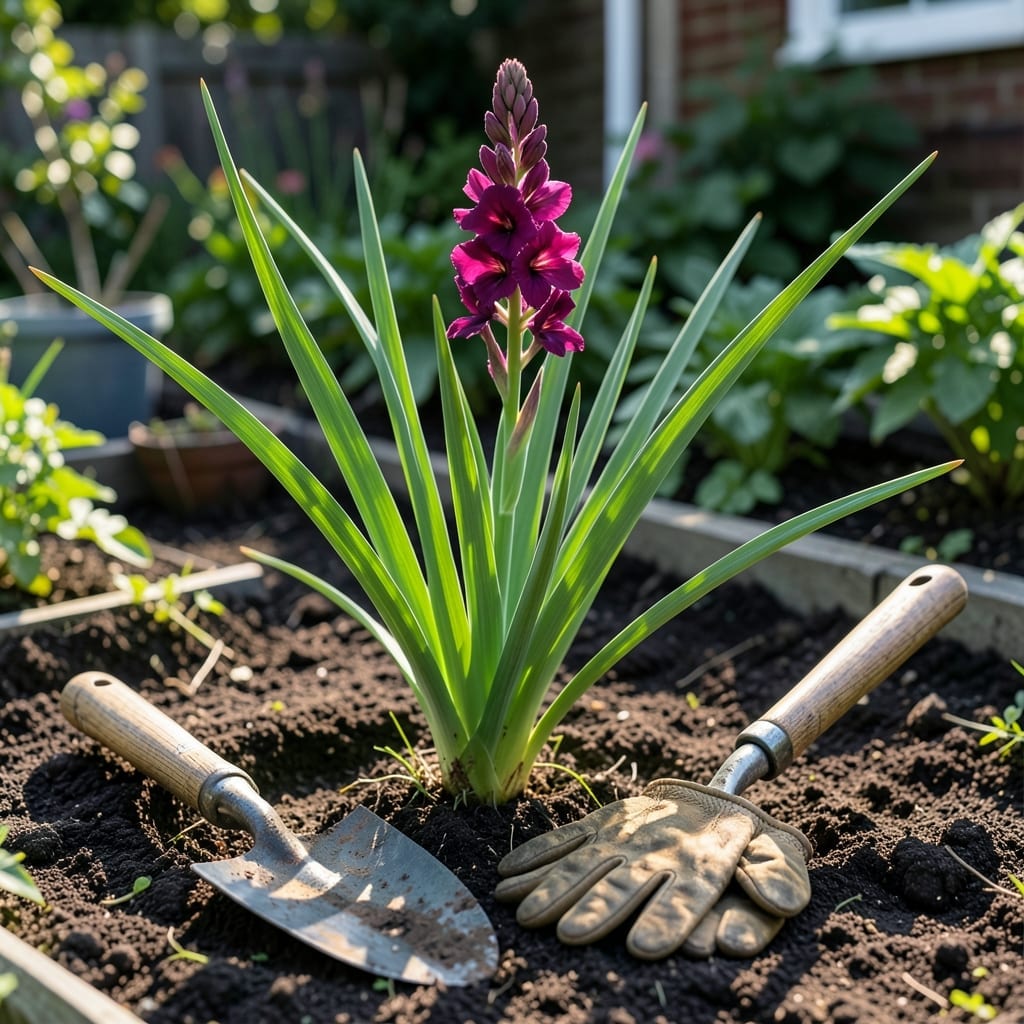
Timing is everything when it comes to planting Gladiolus bulbs in Zone 9. Plant too early, and a late frost might ruin your chances; plant too late, and you’ll miss the season’s most vibrant blooms.
The 🌷 Gladiolus thrives when the soil temperature drops below 60°F, making fall the perfect window. In Zone 9, that means October through November is your sweet spot.
I’ve seen gardeners struggle with timing, but getting it right means spectacular flowers from May to July. The key is understanding your local climate cues.
Discover how to sync your planting with nature’s rhythm for the best results. Let’s make your garden the envy of the neighborhood.
In Zone 9, the ideal planting window for Gladiolus bulbs is October through November. This timing ensures the soil temperature is below 60°F, which is critical for root development.
I’ve found that planting during these months allows the corms to establish roots before winter. The mild winters in Zone 9 mean you can also experiment with early spring planting, but fall is your safest bet. 🌱
| Stage | Action |
|---|---|
| Ideal Months | October – November |
| Good Months | September – December |
| Soil Temp | Below 60°F |
| Bloom Time | May – July |
If you plant in September, the heat may stress the corms before they establish. December is your last viable month, but earlier is always better for stronger roots.
Zone 9’s long growing season means you can enjoy multiple bloom cycles. Plant a new batch every 2-3 weeks through fall for staggered blooms come spring.
For spring planting, wait until soil warms to at least 55°F. This is riskier because of potential late frosts, but it can work if you’re vigilant.
The first frost in Zone 9 is typically around December 15, so planting by November gives your Gladiolus a fighting chance to establish before dormancy.
I always recommend testing soil temperature with a thermometer. If it’s consistently below 60°F at a 4-inch depth, you’re good to go. This simple step can save you a lot of guesswork. 🌡️
Remember, Gladiolus corms need well-draining soil to prevent rot. In Zone 9, where summers are hot and winters are mild, this is especially important for long-term success.
If you’re new to Gladiolus, start with a small test batch in October. This lets you gauge your soil and climate before committing to a larger planting. Patience and observation are key. 🌿
Planting gladiolus bulbs in Zone 9 is all about timing and preparation. I’ve found that October through November is ideal, as the soil cools below 60°F, giving bulbs the perfect start for spring blooms.
Before planting, ensure your soil is well-draining and enriched with organic matter. Gladiolus corms need room to grow, so I always aim for 4-6 inches deep and spaced 6 inches apart. This gives them the space they need to thrive.
After planting, water deeply but avoid waterlogging. In Zone 9, the mild winters mean you won’t need to worry about frost protection, but consistent moisture is key for healthy growth. I water mine once a week unless rain does the job.
Don’t forget to stake tall varieties as they grow. Gladiolus can reach 4-6 feet, and strong winds can topple them. A simple bamboo stake and soft tie work wonders to keep them upright and elegant.
For the best blooms, I feed my gladiolus with a 5-10-10 fertilizer every 4-6 weeks during the growing season. This boosts bulb development and ensures vibrant, long-lasting flowers from May to July.
Finally, keep an eye out for pests like thrips and aphids. Regular inspections and organic sprays can keep your plants healthy and pest-free. With the right care, your Zone 9 garden will be bursting with color in no time 🌷