
Beautiful Plants For Your Interior
Beautiful Plants For Your Interior
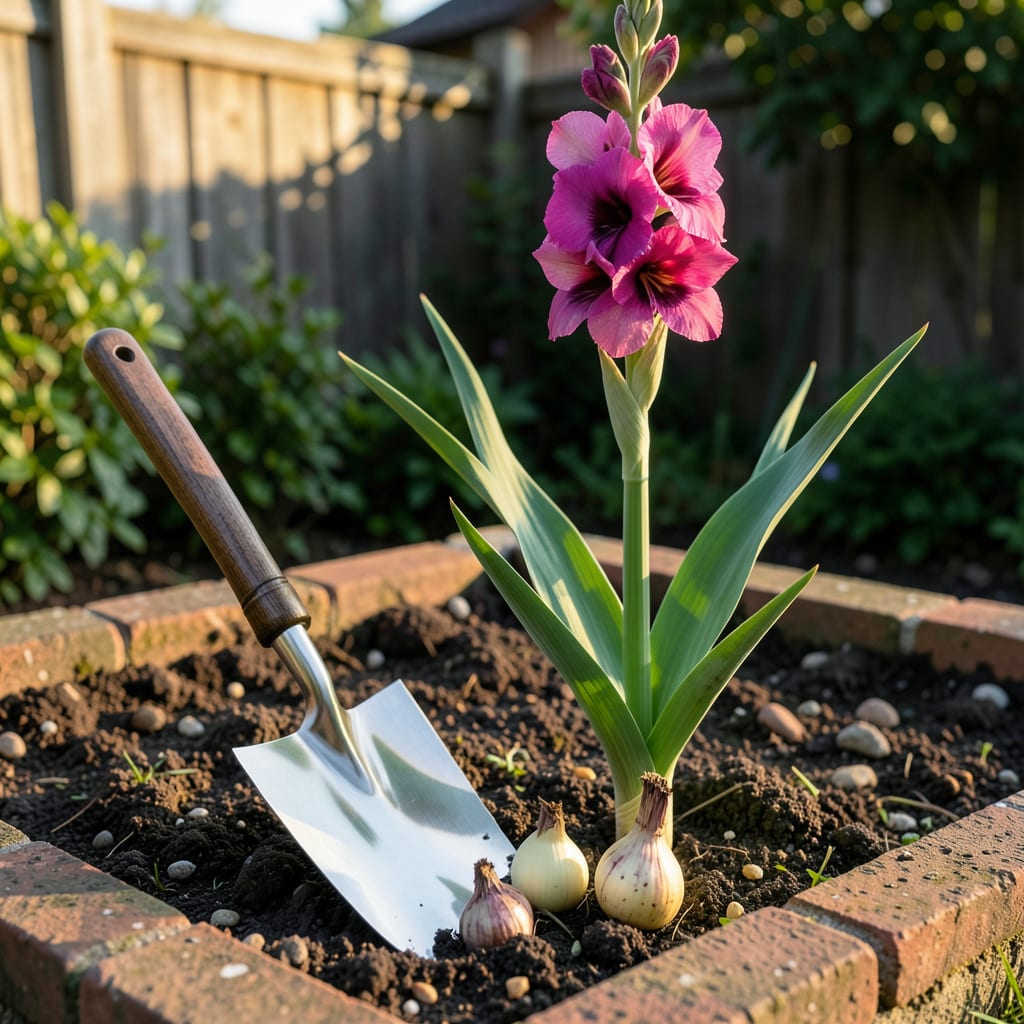
Michigan’s unpredictable springs can turn gladiolus planting into a gamble—plant too soon, and a late frost might wipe out your 🌸 gladiolus before they even sprout. But wait too long? You’ll miss those towering, vibrant blooms that make summer gardens unforgettable.
After years of testing (and a few frost-bitten failures), I’ve nailed the perfect timing for Zone 5b-6b. Whether you’re in Traverse City or Detroit, I’ll show you exactly when to get those corms in the ground—and how to protect them from Michigan’s mood swings. Let’s make this your easiest planting season yet.
If you’re dreaming of towering gladiolus spikes bursting with color this summer, nailing the planting window is crucial in Michigan. These frost-sensitive corms thrive when soil temps hit 60°F—plant too early, and a late freeze could wipe them out. Wait too long, and you’ll sacrifice weeks of blooms.
Michigan’s Zone 5 climate means most gardeners should aim for mid-May through early June, but the Upper Peninsula’s shorter season demands adjustments. Let’s break down the perfect timing for your region, so you get strong stems and vibrant flowers all summer.
| Region | Planting Window | Last Frost Date | Soil Temp Goal |
|---|---|---|---|
| Lower Peninsula (Southern) | April 20 – May 10 | May 5 | 60°F+ |
| Lower Peninsula (Central) | May 1 – May 20 | May 15 | 60°F+ |
| Upper Peninsula | May 15 – June 1 | June 1 | 55°F min |
*Adjust dates by 1–2 weeks based on real-time weather forecasts.
In southern Michigan, I start planting gladiolus corms as early as late April if the soil is workable and temps stay above 50°F at night. Use a soil thermometer—if it reads 55°F at 4-inch depth, you’re safe to plant. Cold soil causes rot or slow sprouting, so patience pays off.
For the Upper Peninsula, wait until after Memorial Day to avoid frost damage. Here, I recommend pre-sprouting corms indoors in early May. Place them in peaty mix near a sunny window, then transplant outside once nights stay above 50°F. This trick gives you a 2-week head start.
Pro tip: Succession planting every 10–14 days until July 1 ensures continuous blooms through September. Label each batch with dates—you’ll thank yourself when planning next year’s garden! In windy areas, plant near a fence or staking to prevent toppling.
Watch the 10-day forecast before planting. If nights dip below 45°F, hold off or use row covers for protection. Gladiolus hate soggy soil, so amend heavy clay with compost or sand to improve drainage. A 2-inch mulch layer helps regulate temperature and moisture.
If you miss the ideal window, don’t panic! Early June plantings still yield blooms by late August. Just avoid planting after July 1—corms need 90 days to mature. For cut flower gardens, prioritize early plantings to catch the July 4th market.
Remember: Gladiolus corms won’t survive winter in Michigan’s soil. Plan to dig them up after the first frost (around October 10), dry, and store in a cool, dark place until next spring. This extra step ensures bigger, healthier blooms year after year.
For container growers, start corms in 12-inch-deep pots by May 1 and move outdoors once temps stabilize. Containers dry out faster, so check moisture daily in peak summer. Pair with low-growing annuals like marigolds to deter pests and add color.
Still unsure? Check your local extension office for hyper-local frost data, or use a planting calculator like the one from MSU Extension. When in doubt, wait for warmer soil—gladiolus reward patience with spectacular, long-lasting blooms.
🌸Once you’ve locked in your planting dates, the real fun begins—getting those gladiolus corms into the ground the right way. Michigan’s clay-heavy soils and unpredictable weather demand extra prep, but I’ll walk you through every step to ensure your glads grow tall, sturdy, and packed with blooms.
Start by choosing a sun-drenched spot (at least 6–8 hours of direct light daily). Gladiolus thrive in heat and falter in shade, so avoid north-facing beds or areas near tall trees. If your soil is heavy or compacted, now’s the time to amend it—mix in 2–3 inches of compost and a handful of sand or perlite to improve drainage.
✅ Pro tip: For cut flower gardens, plant in rows spaced 12 inches apart for easy access and airflow.
In windy areas (looking at you, Lake Michigan shoreline), plant corms in a sheltered spot or use a windbreak. I’ve lost count of how many glads I’ve seen snap in a summer gust! If your garden is exposed, plant in clusters and surround them with low-growing annuals like sweet alyssum to buffer the wind.
For succession planting, mark your calendar to add new corms every 10–14 days until July 1. This staggers bloom times, giving you fresh cuts from mid-July through September. Label each batch with popsicle sticks—trust me, you’ll forget which variety is which by August! If space is tight, prioritize early plantings for the biggest, showiest blooms.
Gladiolus are heavy feeders, so plan to fertilize every 4–6 weeks with a balanced 10-10-10 or high-phosphorus 5-10-10 mix. I swear by liquid fish emulsion for a mid-season boost—it’s gentle but packs a punch. Stop fertilizing by late August to let corms harden off for winter storage. And speaking of water: 1–1.5 inches per week is ideal, but let soil dry slightly between waterings to prevent rot.
If you’re growing in containers, choose pots at least 12 inches deep and wide. Gladiolus need room to stretch! Use a well-draining potting mix (add 20% perlite) and water more frequently—pots dry out fast in Michigan’s summer heat. Move containers to a sheltered spot during heavy rains to prevent soggy soil, which invites fungal diseases like botrytis.
Finally, keep an eye out for thrips and aphids, which love gladiolus as much as we do. A weekly spray of neem oil or insecticidal soap keeps them in check. Yellowing leaves? That’s normal as blooms fade, but if it happens before flowering, test for nutrient deficiencies or overwatering. With these steps, you’re all set for a summer of jaw-dropping gladiolus spikes! 🌸
Even experienced Michigan gardeners can stumble when growing gladiolus. These stunning flowers demand precision, and small errors can mean no blooms or rotted corms. After years of trial (and error!), I’ve pinpointed the biggest pitfalls—and how to sidestep them for a showstopping display.
The #1 mistake? Planting too early in Michigan’s unpredictable springs. Those late May frosts can devastate tender corms. Wait until soil reaches 60°F at 4-inch depth—no exceptions. If you’re itching to start, pre-sprout corms indoors in peat moss for 2–3 weeks before transplanting.
✅ Fix it fast: Use row covers for late frosts, water only when the top 2 inches of soil are dry, and stake at planting time.
Another critical error: ignoring drainage. Michigan’s clay soils hold moisture, which spells disaster for gladiolus. If your garden stays soggy after rain, plant in raised beds or amend soil with 50% compost and 20% sand. Containers? Ensure pots have drainage holes and use a mix with perlite or vermiculite.
Underestimating wind is a rookie move—especially near the Great Lakes. Those tall flower spikes act like sails in a breeze. I lost half a row to a summer gust before learning to stake at planting or grow near a fence/windbreak. For extra security, plant in clusters of 5–7 corms to support each other.
Many gardeners forget that gladiolus are heavy feeders. Skipping fertilizer means weak stems and sparse blooms. Feed at planting with a 5-10-10 mix, then repeat every 4–6 weeks until August. Yellowing leaves? That’s your cue to check for nitrogen deficiency or overwatering. A foliar spray of fish emulsion can revive struggling plants fast.
Finally, never leave corms in the ground over winter. Michigan’s freezing temps will destroy them. After the first frost (around October 10), dig up corms, brush off soil, and cure in a warm, dry place for 2 weeks. Store in mesh bags with sawdust or peat moss at 40–50°F until spring. This extra step ensures bigger, healthier blooms next year. 🌸
Planting before soil reaches 60°F risks corm rot or frost damage. Michigan’s late springs often bring surprise freezes—even in May. If you’re eager, pre-sprout corms indoors in peat moss for 2–3 weeks, then transplant after the last frost.
Use 12-inch-deep pots with drainage holes and a well-draining mix (add 20% perlite). Start corms by May 1, move outdoors after frost risk passes, and water daily in summer. Containers dry out faster, so mulch lightly to retain moisture.
Tall gladiolus spikes topple easily in gusts—especially near the Great Lakes. Stake at planting or grow near a fence. For extra security, plant in clusters of 5–7 corms to support each other. In exposed areas, use tomato cages for sturdy backup.
Yes! Michigan’s Zone 5 freezes will kill corms left in the ground. After the first frost (around October 10), dig them up, dry for 2 weeks, and store in mesh bags with sawdust at 40–50°F. This ensures healthier blooms next year.
