
Beautiful Plants For Your Interior
Beautiful Plants For Your Interior
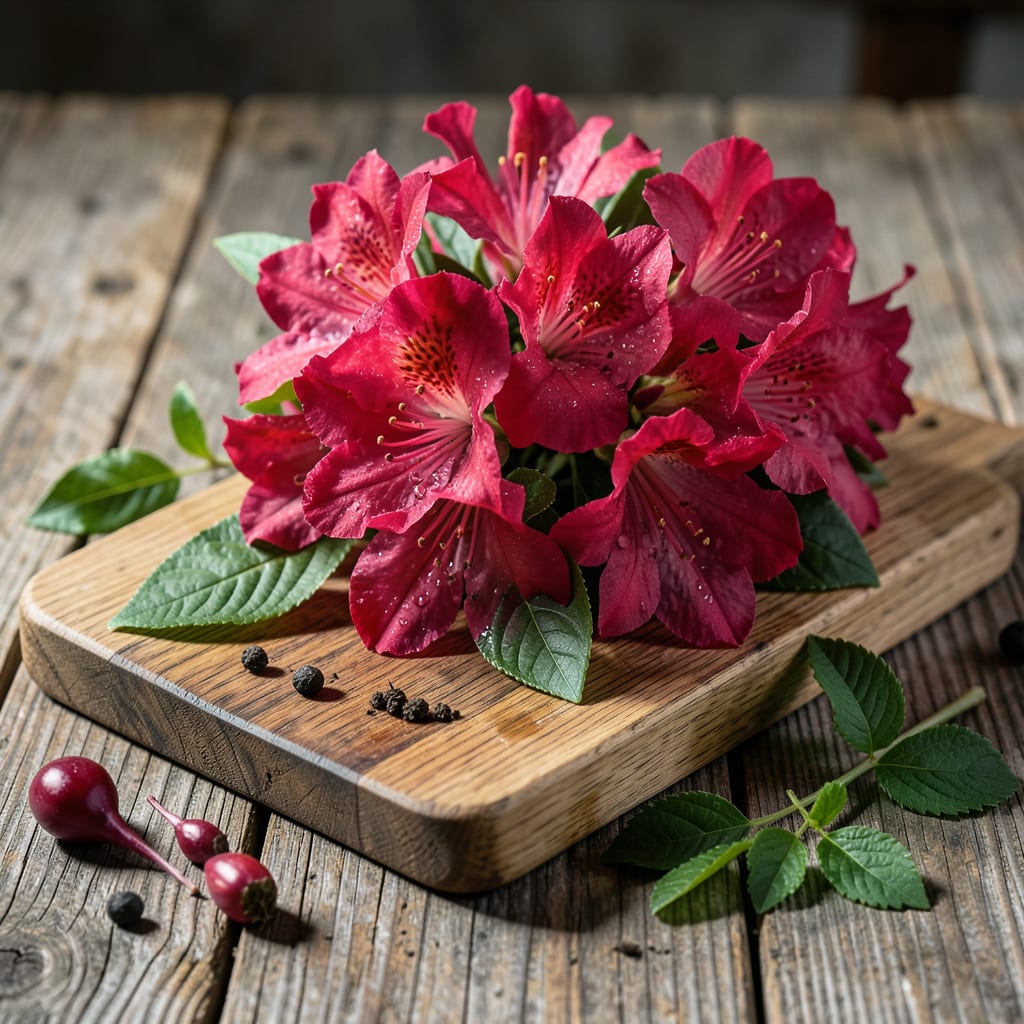
Fertilizing your Rhododendron 🌺 at the right time is crucial for vibrant blooms and healthy growth. In USDA Zone 6, timing is everything – fertilizing during the wrong season can actually harm your plant.
I recommend fertilizing your Rhododendron in early spring after blooming, and again in fall to prepare for the next growing season. This simple step can make all the difference in achieving better blooms and a thriving plant.

Fertilizing rhododendrons at the right time is crucial for achieving vibrant blooms and maintaining healthy growth. In USDA Zone 6, the ideal fertilization period is during early spring and fall. Understanding the optimal timing can make a significant difference in your plant’s performance 🌺.
I recommend fertilizing your rhododendrons immediately after they finish blooming in spring. This timing supports the plant’s natural growth cycle and helps replenish nutrients that were used during blooming. A second, lighter fertilization in fall prepares the plant for the next growing season 🌱.
The key fertilization periods are after blooming in spring and in early fall. These timings align with the plant’s natural growth cycles and help maintain optimal nutrient levels. In USDA Zone 6, this typically means fertilizing in late March and again in September 🔍.
When determining the best time to fertilize, consider your rhododendron’s specific needs and your local climate conditions. While the general guidelines apply to most situations, factors like soil quality and weather patterns can influence the optimal fertilization schedule 📝.
For rhododendrons, it’s essential to use an acidic fertilizer that matches their preferred soil pH. A slow-release formula provides nutrients gradually, supporting healthy growth throughout the growing season 🌿.
The amount of fertilizer to apply depends on the product’s instructions and your plant’s size. Generally, rhododendrons require 1 cup of fertilizer per 10 square feet of soil area. Be sure to follow the specific guidelines for your fertilizer product 📏.
Applying fertilizer in the early morning is typically best, as this allows the plant to absorb nutrients throughout the day. Avoid fertilizing during the hottest part of the day or when the plant is under stress from drought or extreme temperatures ⛅️.
After fertilizing, ensure the soil remains consistently moist but well-draining. Rhododendrons prefer medium moisture levels, especially during active growth periods 💧.
Monitoring your rhododendron’s response to fertilization is crucial. Look for signs of healthy growth, such as deep green leaves and abundant blooms. If you notice any negative reactions, adjust your fertilization strategy accordingly 🔄.
By following these guidelines and understanding the specific needs of your rhododendrons, you can create an effective fertilization plan that promotes maximum blooms and overall plant health 🌼.
For more detailed information on rhododendron care, including additional tips on soil preparation and maintenance, refer to the next section on how to fertilize rhododendrons effectively 📚.
Fertilizing rhododendrons effectively requires understanding the right type of fertilizer to use and how to apply it properly. Using the correct fertilizer type and following proper application methods can significantly impact your plant’s health and blooming performance 🌺.
I recommend using an acidic, slow-release fertilizer specifically formulated for acid-loving plants like rhododendrons. A fertilizer with an NPK ratio of 10-10-10 or 12-6-6 is typically suitable. This type of fertilizer provides essential nutrients while maintaining the soil’s acidic pH, which is crucial for rhododendron health 🌱.
For optimal results, apply fertilizer in the early morning when the plant can absorb nutrients throughout the day. Avoid fertilizing during extreme temperatures or when the soil is dry 🔥.
When applying fertilizer, it’s essential to follow the manufacturer’s instructions regarding the amount to use. Generally, rhododendrons require about 1 cup of fertilizer per 10 square feet of soil area. Be sure to spread the fertilizer evenly around the plant’s drip line, avoiding direct contact with the stems or leaves 📏.
After fertilizing, ensure the soil remains consistently moist but well-draining. Rhododendrons prefer medium moisture levels, especially during active growth periods. Proper watering helps the plant absorb the nutrients effectively 💧.
Monitoring your rhododendron’s response to fertilization is crucial. Look for signs of healthy growth, such as deep green leaves and abundant blooms. If you notice any negative reactions, such as leaf burn or poor growth, adjust your fertilization strategy accordingly 🔄.
By following these guidelines and using the right fertilizer, you can promote healthy growth and vibrant blooms in your rhododendrons. For more information on identifying nutrient deficiencies and other signs that your rhododendrons need fertilization, refer to the next section on signs your rhododendrons need fertilization 📚.
To maintain optimal soil conditions, consider testing your soil periodically to ensure it remains acidic and well-draining. Adjust your fertilization and watering practices as needed based on soil test results and your plant’s performance 🌿.
Effective fertilization is just one aspect of comprehensive rhododendron care. Combining proper fertilization with other good gardening practices will help you achieve the best possible results in your garden 🌼.
Understanding when your rhododendrons need fertilization is crucial for maintaining their health and promoting vibrant blooms. By recognizing the signs of nutrient deficiencies, you can take timely action to provide the necessary nutrients 🌺.
I recommend monitoring your rhododendrons regularly for indicators that fertilization is necessary. Common signs include yellowing leaves, poor blooming, and slow growth. These symptoms often point to a lack of essential nutrients in the soil 🌱.
By identifying these signs early, you can apply the appropriate fertilization strategy to address the specific needs of your rhododendrons. This proactive approach helps ensure your plants receive the necessary nutrients for optimal health and blooming performance 🌿.
For more detailed information on how to fertilize rhododendrons effectively, including tips on choosing the right fertilizer and application methods, refer to the previous sections. By combining proper fertilization with other good gardening practices, you can achieve the best possible results in your garden 🌼.
Fertilize your rhododendrons in early spring after they finish blooming, and again in fall to prepare for the next growing season. This timing supports the plant’s natural growth cycle and helps maintain optimal nutrient levels.
Use an acidic, slow-release fertilizer specifically formulated for acid-loving plants like rhododendrons. A fertilizer with an NPK ratio of 10-10-10 or 12-6-6 is typically suitable. This type of fertilizer provides essential nutrients while maintaining the soil’s acidic pH.
Fertilize your rhododendrons twice a year: once after blooming in spring and again in early fall. Avoid fertilizing during the hottest summer months or when the plant is under stress. This frequency supports healthy growth and promotes vibrant blooms.
It’s best to avoid fertilizing rhododendrons during the hottest summer months as this can cause unnecessary stress to the plant. Instead, focus on maintaining consistent moisture levels and providing adequate shade if necessary.
