
Beautiful Plants For Your Interior
Beautiful Plants For Your Interior
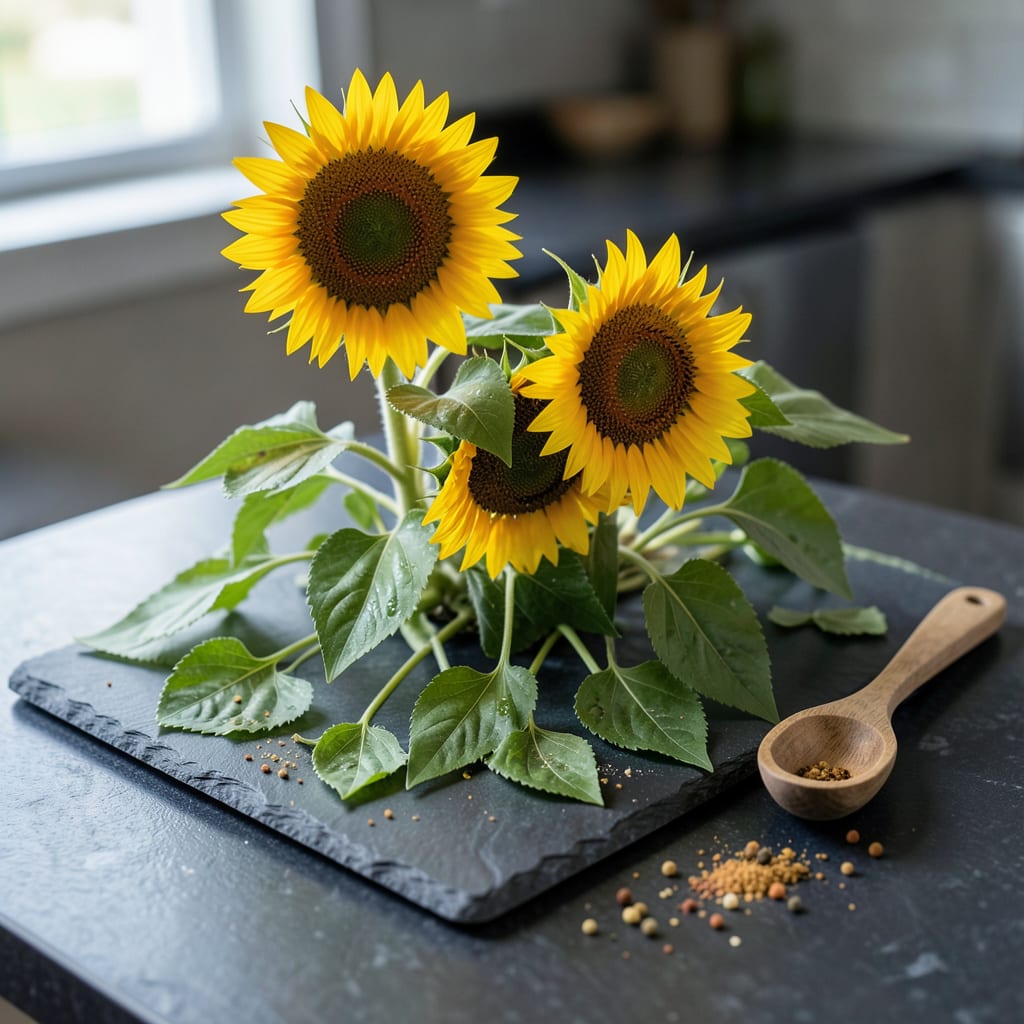
As a Pennsylvania gardener, you’re probably eager to add some bright sunflowers 🌻 to your landscape. The key to success lies in timing – planting at the right moment ensures maximum blooms and healthy growth.
In Pennsylvania’s climate zone 6a, the ideal time to plant sunflowers is in late spring, after the last frost date, typically around late May. This allows the plants to thrive during the warm summer months.
In Pennsylvania, the ideal time to plant sunflowers is in late spring, after the last frost date, typically around late May. This timing allows sunflowers to thrive during the warm summer months and bloom beautifully.
The state’s climate zone 6a means gardeners should wait until soil temperatures reach at least 55°F (13°C) for optimal germination. Planting too early can lead to poor germination and stunted growth due to cold soil 🌻.
Understanding Pennsylvania’s climate is crucial for successful sunflower cultivation. The state’s average zone has 180 frost-free days, allowing sunflowers to mature fully during the summer months. Gardeners should be aware of their specific last frost date to plan accordingly 🌼.
While May and June are considered ideal for planting sunflowers in PA, gardeners can also consider late April or early July for slightly different bloom times. This flexibility allows for staggered planting and extended bloom periods.
For gardeners looking to maximize their sunflower growth, it’s essential to choose a location with full sun and well-drained soil. Sunflowers require at least 6 hours of direct sunlight daily and soil that drains properly to prevent root rot.
The state’s average temperature during the sunflower growing season (May-September) ranges from 65°F to 85°F (18°C to 30°C), creating ideal conditions for sunflower growth. However, gardeners should be prepared for occasional heatwaves and provide supplemental watering during dry spells.
Sunflowers are relatively low-maintenance plants that can thrive in various soil types, but they perform best in well-drained soil with a pH between 6.0 and 7.0. Adding organic matter like compost can help improve soil quality and support healthy plant growth.
In addition to proper timing and soil conditions, gardeners should consider spacing requirements when planting sunflowers. Typically, plants should be spaced 12-18 inches apart in rows that are 3 feet apart. This spacing helps prevent overcrowding and promotes healthy air circulation.
By understanding these key factors and planting at the right time, Pennsylvania gardeners can enjoy a vibrant display of sunflowers throughout the summer. With proper care and attention, these beautiful flowers can add a stunning element to any garden or landscape.
For more specific advice tailored to your location within Pennsylvania, consider consulting local gardening resources or your county’s cooperative extension service. They can provide valuable insights into microclimates and regional variations that may affect sunflower growth in your area.
Overall, planting sunflowers in Pennsylvania requires careful planning and attention to detail, but the rewards are well worth the effort. With their bright yellow petals and statuesque stalks, sunflowers can add a touch of warmth and beauty to any garden or landscape 🌻.
Before planting sunflowers in Pennsylvania, it’s essential to prepare your garden properly. Start by selecting a location that receives full sun, as sunflowers require at least 6 hours of direct sunlight daily to thrive.
The soil should be well-drained to prevent root rot. Sunflowers can grow in various soil types, but they perform best in soil with a pH between 6.0 and 7.0. Testing your soil pH and adjusting it if necessary will help ensure optimal growing conditions 🌼.
For optimal sunflower growth, prepare your soil by adding organic matter like compost. This improves soil quality and drainage, supporting healthy plant development.
When planting sunflowers, consider their spacing requirements. Typically, plants should be spaced 12-18 inches apart in rows that are 3 feet apart. Proper spacing helps prevent overcrowding and promotes healthy air circulation, reducing the risk of disease.
In Pennsylvania’s climate, sunflowers are usually planted in late May after the last frost date. This timing allows them to mature during the warm summer months. Be sure to check the specific frost dates for your area to plan accordingly.
To further support sunflower growth, consider the state’s average temperature during the growing season. From May to September, temperatures range from 65°F to 85°F (18°C to 30°C), creating ideal conditions for sunflowers. However, be prepared for occasional heatwaves and provide supplemental watering during dry spells.
By following these guidelines and preparing your garden properly, you’ll be well on your way to growing healthy and vibrant sunflowers in Pennsylvania. With their bright yellow petals and statuesque stalks, sunflowers can add a stunning element to any garden or landscape 🌻.
For more specific advice tailored to your location within Pennsylvania, consider consulting local gardening resources or your county’s cooperative extension service. They can provide valuable insights into microclimates and regional variations that may affect sunflower growth in your area.
To ensure your sunflowers thrive in Pennsylvania’s climate, proper care is essential. This includes regular watering, managing common pests, and protecting your plants from extreme weather conditions.
Sunflowers in Pennsylvania benefit from full sun and well-drained soil. They are relatively low-maintenance, but they do require some care to reach their full potential.
During the growing season, temperatures in Pennsylvania range from 65°F to 85°F (18°C to 30°C), ideal for sunflower growth. However, gardeners should be prepared for occasional heatwaves and provide supplemental watering during dry spells.
By following these care tips, you can enjoy a vibrant display of sunflowers throughout the summer. With their bright yellow petals and statuesque stalks, sunflowers can add a stunning element to any garden or landscape 🌻.
For more specific advice tailored to your location within Pennsylvania, consider consulting local gardening resources or your county’s cooperative extension service. They can provide valuable insights into microclimates and regional variations that may affect sunflower growth in your area 🌼.
The ideal time to plant sunflowers in Pennsylvania is in late spring, after the last frost date, typically around late May. This allows the plants to thrive during the warm summer months and bloom beautifully.
Check the soil temperature; it should be at least 55°F (13°C) for optimal germination. You can use a soil thermometer to measure the temperature. Waiting for the right soil temperature ensures healthy growth.
It’s generally too early to plant sunflowers in Pennsylvania in early April because the soil is still too cold, and there’s a risk of frost. Wait until the last frost date has passed, usually around April 15, and the soil has warmed up.
Water sunflowers deeply once or twice a week, depending on rainfall. They need about 1 inch of water per week. Proper watering ensures healthy growth and blooming.
