
Beautiful Plants For Your Interior
Beautiful Plants For Your Interior
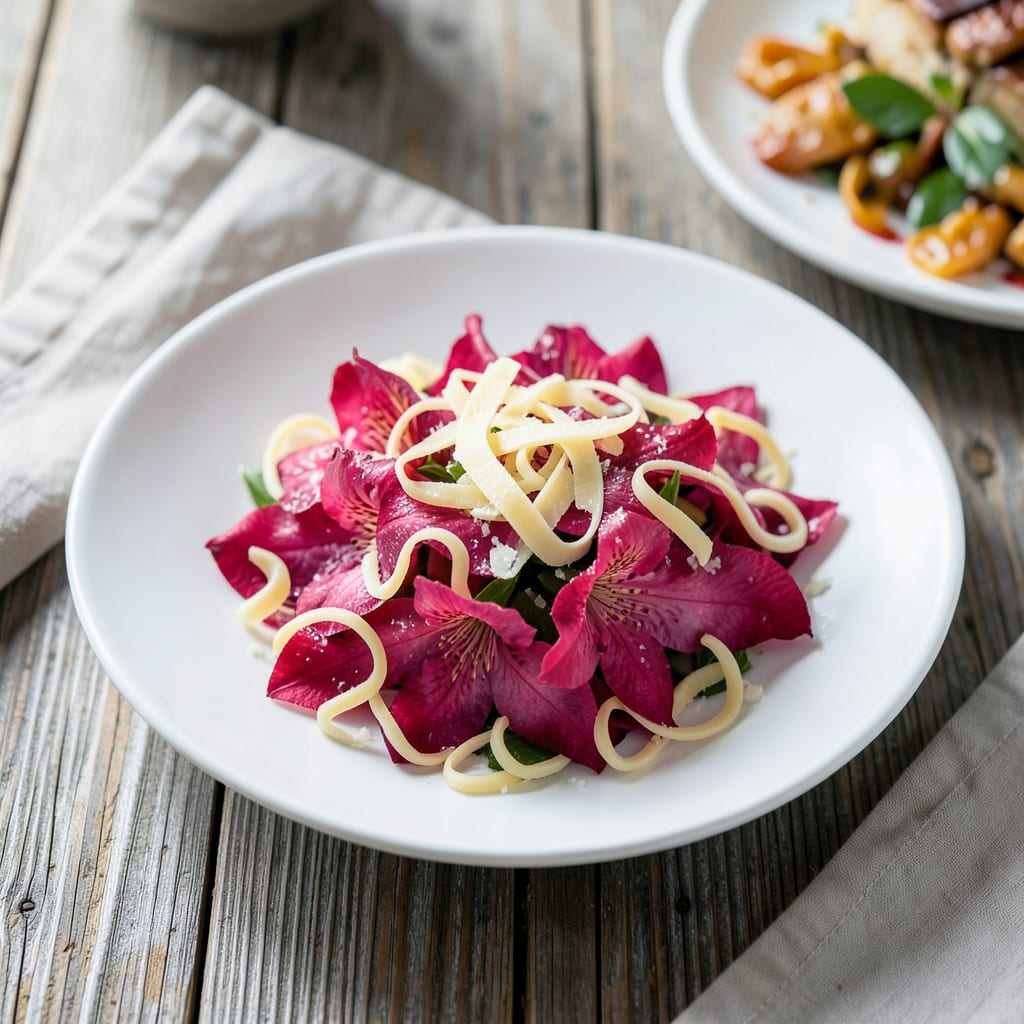
Fertilizing your Rhododendron 🌺 at the right time is crucial for vibrant blooms and healthy growth in USDA Zone 6. I’ve learned that understanding when and how to fertilize can make all the difference in your garden’s beauty.
The best times to fertilize are in spring after blooming and again in fall, using an acidic, slow-release fertilizer. This simple step can transform your Rhododendron’s health and flowering potential.

Understanding when to fertilize your rhododendrons is crucial for their health and blooming potential. I’ve found that fertilizing at the right time can significantly impact their growth and flowering 🌺.
The ideal fertilization schedule is closely tied to the rhododendron’s growth cycle and seasonal needs. In USDA Zone 6, the best times to fertilize are in early spring after blooming and again in early fall.
The key fertilization periods are after blooming in spring and again in fall, about 4-6 weeks after the first application. This schedule supports healthy growth and promotes vibrant blooms 🌼.
For optimal results, use an acidic, slow-release fertilizer with an NPK ratio of 10-8-6 or 12-6-6. This type of fertilizer maintains soil acidity, which is essential for rhododendron health.
When applying fertilizer, follow these guidelines: use 1 cup per 10 square feet of soil surface area. The best time to fertilize is in the early morning when the soil is moist.
Soil conditions play a critical role in fertilization effectiveness. Rhododendrons prefer moist, well-draining acidic soil. Testing your soil pH regularly helps ensure it remains within the ideal range for rhododendrons.
Fertilizing rhododendrons is not just about providing nutrients; it’s also about maintaining the right soil conditions. Acidic soil is crucial because rhododendrons thrive in lower pH environments.
In addition to fertilization timing, watering practices affect rhododendron health. Water your plants weekly during the growing season, adjusting for rainfall. Proper watering helps fertilizer absorption and overall plant health 💧.
By following this fertilization schedule and maintaining appropriate soil conditions, you can enjoy healthy growth and vibrant blooms from your rhododendrons year after year.
Monitoring your plants is essential. Watch for signs of nutrient deficiency or over-fertilization, and adjust your fertilization schedule accordingly.
For more specific advice tailored to your local climate and soil conditions, consider consulting with a local gardening expert or extension service. They can provide guidance on the best practices for your area 🌿.
Fertilizing rhododendrons effectively requires understanding the right techniques and avoiding common pitfalls. I’ve learned that proper fertilization can significantly enhance blooming and overall plant health 🌺.
The key to successful fertilization is choosing the right type of fertilizer and applying it correctly. Rhododendrons thrive in acidic soil, so using an acidic, slow-release fertilizer is essential.
Fertilize your rhododendrons in early spring after blooming and again in early fall for optimal results. Use an acidic, slow-release fertilizer to maintain soil acidity and promote healthy growth.
When selecting a fertilizer, look for an NPK ratio of 10-8-6 or 12-6-6. This balance provides the necessary nutrients without causing excessive growth or burning the roots 🔥.
Application timing is critical. Fertilize in the early morning when the soil is moist. This helps with nutrient absorption and reduces the risk of burning the roots.
The amount of fertilizer to use depends on the soil surface area. A general guideline is to use 1 cup of fertilizer per 10 square feet of soil surface area.
Soil conditions play a significant role in fertilization effectiveness. Rhododendrons prefer moist, well-draining acidic soil. Regularly testing your soil pH helps ensure it remains within the ideal range for rhododendrons 🌱.
In addition to fertilization, watering practices impact rhododendron health. Water your plants weekly during the growing season, adjusting for rainfall. Proper watering aids in fertilizer absorption and overall plant health 💧.
By following these guidelines and maintaining appropriate soil conditions, you can enjoy healthy growth and vibrant blooms from your rhododendrons year after year.
Monitoring your plants is crucial. Watch for signs of nutrient deficiency or over-fertilization, and adjust your fertilization schedule accordingly.
Fertilizing rhododendrons requires careful consideration to avoid common pitfalls that can harm these beautiful plants. I’ve learned that understanding what to avoid is just as important as knowing what to do 🌺.
One of the most critical mistakes is over-fertilization. Rhododendrons are sensitive to excessive nutrients, which can cause root damage and overall stress to the plant 🔥.
Avoid fertilizing rhododendrons during winter months or when the plant is under stress. This can cause unnecessary damage and reduce the plant’s ability to absorb nutrients effectively.
Wrong timing is another common error. Fertilizing at the wrong time can disrupt the plant’s natural growth cycle. For rhododendrons, it’s best to fertilize after blooming in spring and again in early fall 🌱.
Inappropriate fertilizer types can also harm rhododendrons. Using a fertilizer that is not acidic can raise the soil pH, making it less suitable for these plants. Always choose a fertilizer specifically formulated for acid-loving plants 🌿.
Soil conditions play a significant role in fertilization effectiveness. Rhododendrons prefer moist, well-draining acidic soil. Regularly testing your soil pH helps ensure it remains within the ideal range for rhododendrons.
By avoiding these common mistakes, you can ensure your rhododendrons receive the nutrients they need without suffering from the negative effects of improper fertilization. This careful approach will help maintain healthy growth and vibrant blooms year after year 💐.
Fertilize your rhododendron twice a year: once after blooming in spring and again in early fall. This schedule supports healthy growth and promotes vibrant blooms.
Use an acidic, slow-release fertilizer with an NPK ratio of 10-8-6 or 12-6-6. This type of fertilizer maintains soil acidity, which is essential for rhododendron health.
No, it’s best to avoid fertilizing rhododendrons during winter months when the plant is dormant. Fertilizing during this time can cause unnecessary stress to the plant.
Use 1 cup of fertilizer per 10 square feet of soil surface area. Be sure to follow the manufacturer’s instructions for application rates.
Signs of over-fertilization include yellowing leaves, burned roots, and reduced blooming. Monitor your plants closely and adjust your fertilization schedule as needed.
