
Beautiful Plants For Your Interior
Beautiful Plants For Your Interior
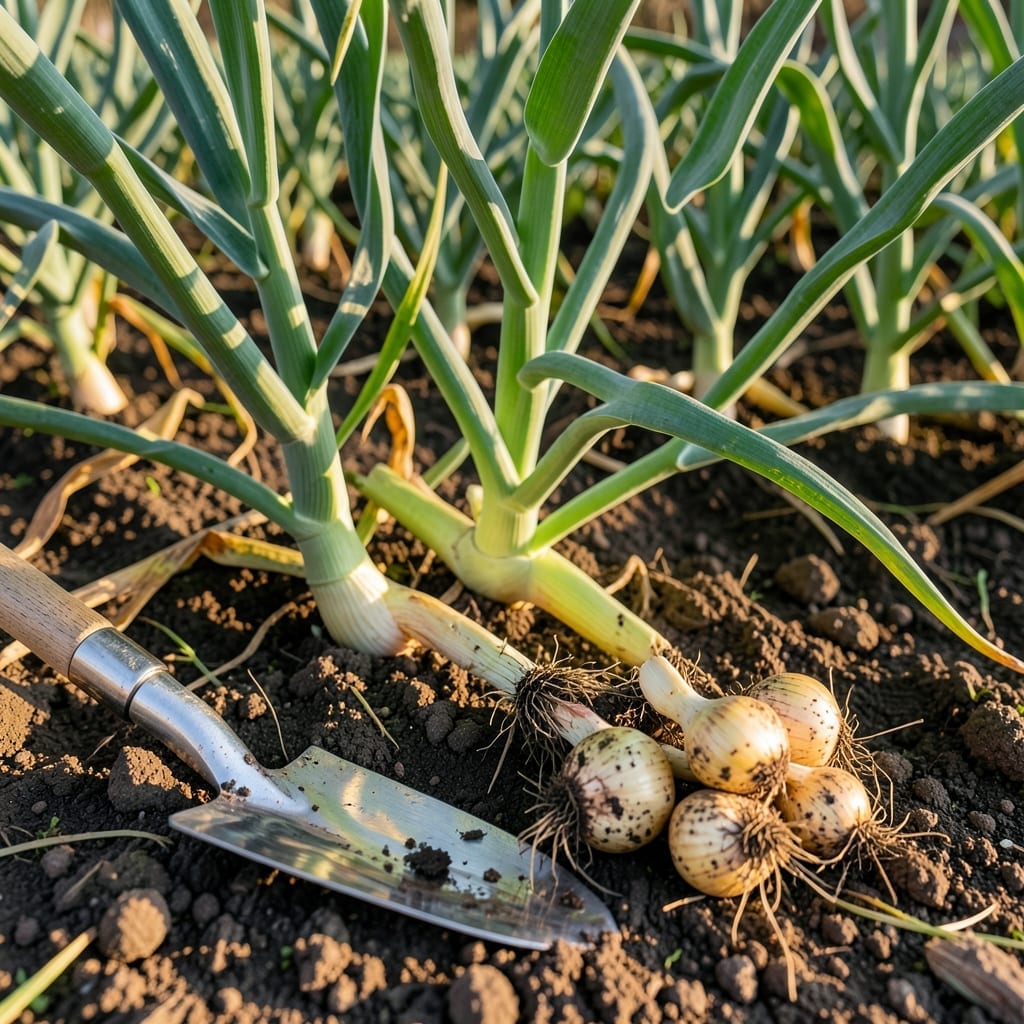
There’s something magical about biting into a sweet Vidalia onion 🧅 straight from your garden. As a gardener in Georgia, I know timing is everything with these prized bulbs.
Unlike other onions, Vidalias have a short growing window that makes planning essential. Plant too late or harvest too early, and you’ll miss out on that signature mild flavor we all love.
I’ve learned through experience that understanding the seasonal rhythm of Vidalias can make or break your crop. The good news? It’s easier than you might think to get it right.
Let me walk you through the key moments in the Vidalia onion season, from planting in the fall to that sweet harvest in spring.
If you’re growing Vidalia onions, timing is critical. These sweet onions thrive in USDA Zone 8a, with the ideal planting window from October to November. This fall planting allows them to establish roots before winter dormancy.
The harvest season typically runs from April to June, depending on weather and soil conditions. Vidalia onions need 90-150 days to mature, so planting in fall ensures a spring harvest.
| Stage | Action |
|---|---|
| Planting Time | October-November |
| Days to Maturity | 90-150 days |
| Harvest Window | April-June |
| Soil Temp | 50-60°F for germination |
I always recommend testing soil temperature before planting. Vidalia onions need 50-60°F soil to germinate properly. Use a soil thermometer to check conditions at a 1-inch depth where sets will be placed.
In Georgia’s climate, the last frost date is around March 15. This means your onions will start actively growing as soon as temperatures rise in early spring. The first frost in fall is typically around November 15, giving plants time to establish.
For best results, plant onion sets about 1 inch deep and 4-6 inches apart. This spacing allows each bulb to develop fully. I’ve found that well-draining soil is essential to prevent rot during winter months.
The harvest signs are unmistakable. Look for yellowing tops that begin to fall over. The necks should feel soft and papery, not firm. At this stage, the bulbs will be 3-4 inches in diameter with dry, papery skins.
If you’re in a slightly cooler or warmer zone, adjust your planting time accordingly. In Zone 7, you might plant a bit earlier, while Zone 9 gardeners could plant slightly later. The key is ensuring your onions get enough cool weather to develop their sweet flavor.
Remember that Vidalia onions are short-day onions, meaning they form bulbs in response to day length. They need the right balance of cool and warm temperatures to produce those prized sweet, mild bulbs we all love.
For the best harvest, stop watering about 1 week before harvest to let the skins dry. This makes curing easier and helps prevent rot during storage.
With proper timing and care, you’ll be rewarded with a bumper crop of these Georgia favorites. Their short growing window makes every day count, so mark your calendar and get planting at the right time.
☀️As a gardener, I know the sweetest Vidalia onions reveal their readiness through clear visual cues. The most obvious sign is when the tops turn yellow and begin to fall over naturally, which typically happens in late spring.
Another key indicator is the neck softening—when the stem just above the bulb feels thin and papery rather than thick and firm. This change signals that the onion has stopped growing and is ready for harvest.
🌱 Signs Your Vidalia Onions Are Ready
I always check that the onion bulbs have reached their full size, usually 3-4 inches in diameter. If they’re still small or the tops are green and upright, they need more time in the soil.
It’s also important to harvest before heavy rain to prevent rot. I wait for a dry spell and pull them gently from the soil, leaving the tops intact for curing.
If you’re unsure, dig up one onion and inspect it. A mature Vidalia will have a dry outer skin and a firm bulb, ready for storage. Harvesting too early means missing out on that signature sweetness.
Once harvested, I let them cure in a warm, dry place for a week before storing. This step ensures they’ll keep well for months.