
Beautiful Plants For Your Interior
Beautiful Plants For Your Interior
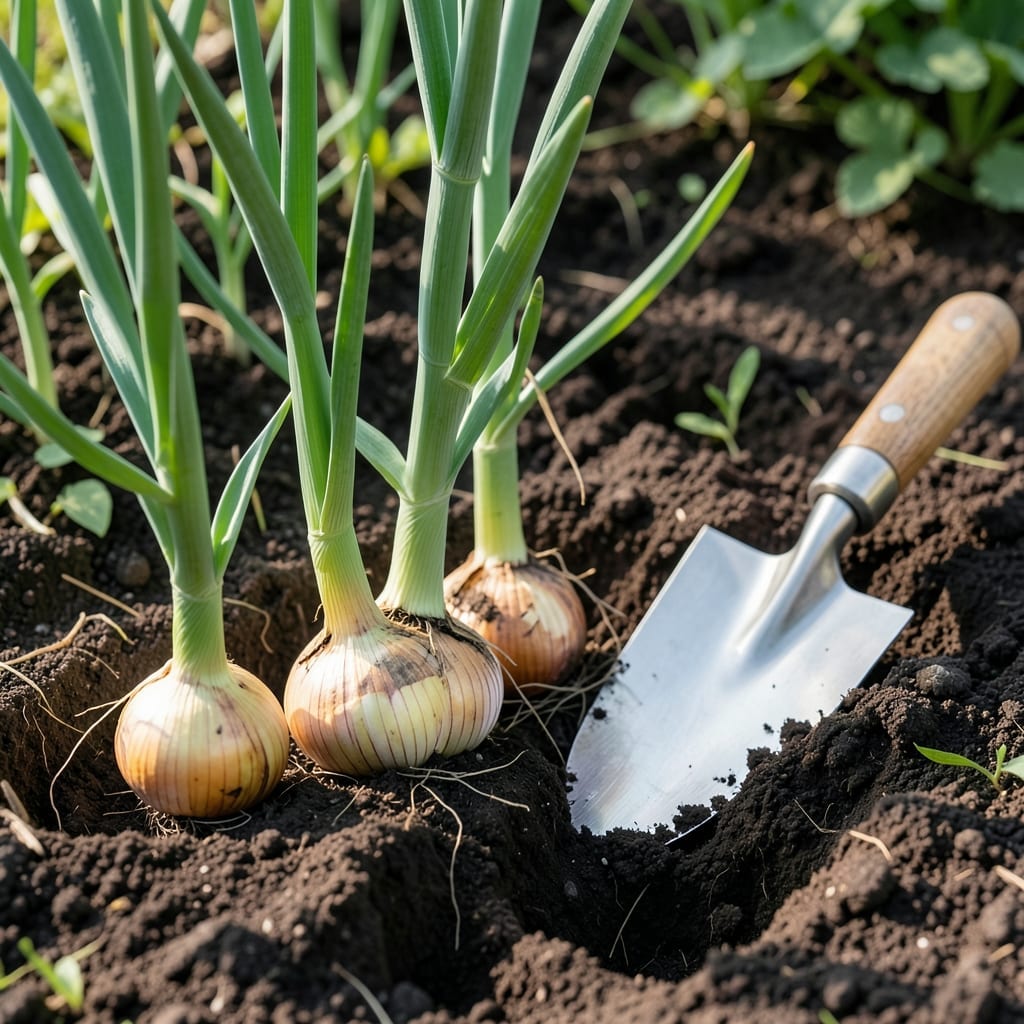
Timing is everything when planting Onion bulbs in Ohio’s Zone 6a climate. Get it right, and you’ll enjoy crisp, homegrown 🧅 all season long.
Spring and fall each offer unique advantages for cultivating these kitchen staples. The key lies in understanding Ohio’s frost dates and soil conditions.
I’ll walk you through the best months to plant, whether you prefer a spring harvest or overwintered bulbs. You’ll discover the subtle differences that make all the difference.
From soil prep to regional tips, this guide covers everything you need to start strong. Let’s get those onions in the ground at the perfect time.
In Ohio’s Zone 6 climate, timing your onion bulb planting is critical. Spring planting typically begins in late March to early April, when soil temperatures reach 50°F or higher. This aligns with the last frost date, usually around April 15th.
Fall planting offers a second window, usually from late September to early October. This allows bulbs to establish roots before winter dormancy. Both seasons have unique advantages for Ohio gardeners.
| Season | Planting Window | Soil Temperature |
|---|---|---|
| Spring | Late March – Early April | 50°F+ |
| Fall | Late September – Early October | 60°F+ |
| Winter | Not Recommended | Too Cold |
For spring planting, I recommend starting 4-6 weeks before the last frost date. This gives bulbs time to establish before warm weather arrives. The soil should be workable and dry enough to avoid compaction.
In fall planting, aim to get bulbs in the ground 6-8 weeks before the first frost, typically around October 15th. This timing allows for root development before winter sets in.
Ohio’s clay-heavy soils can be challenging, so I always amend with compost or sand to improve drainage. Onion bulbs prefer loose, well-draining soil to prevent rot.
For both seasons, full sun exposure is ideal. Onions need 6+ hours of direct sunlight daily for optimal growth. If your garden has partial shade, prioritize the sunniest spots for planting.
I’ve found that mulching with straw helps maintain consistent soil moisture and suppresses weeds. Apply a 2-3 inch layer after planting, keeping it away from the bulb necks.
Remember that variety selection matters. For Ohio, I recommend short-day varieties like ‘Texas Early White’ for spring planting, and intermediate-day types like ‘Candy’ for fall.
Water deeply after planting, then maintain 1 inch of water per week. Reduce watering as the tops begin to yellow, signaling harvest time. This usually occurs 90-120 days after planting.
With proper timing and care, you’ll enjoy a bountiful onion harvest in Ohio’s Zone 6 climate. Consistency in watering and soil preparation are key to success 🌱
In Ohio’s Zone 6, you’ve got two solid windows for planting onion bulbs: early spring and late fall. Each season has unique advantages that can impact your harvest size and flavor development. I’ve tested both approaches in my own garden with interesting results.
Spring planting typically yields larger bulbs since the plants have a full growing season ahead. However, fall planting can produce sweeter onions that overwinter and mature earlier the following summer, beating many common pests.
For spring planting, aim to get bulbs in the ground 4-6 weeks before your last frost date, which is around April 15 for most of Ohio. This gives them time to establish before summer heat arrives.
If you prefer fall planting, wait until late September to early October. This timing allows roots to develop before winter dormancy while avoiding early frosts that could damage tops.
I’ve found that mulching heavily in fall helps protect bulbs from temperature fluctuations. In spring, a balanced fertilizer at planting gives them a strong start for bulb development.
Ultimately, both methods work well in Ohio. Spring planting is more forgiving for beginners, while fall planting can yield unique flavors if you’re willing to take on the extra winter care. 🌱