
Beautiful Plants For Your Interior
Beautiful Plants For Your Interior
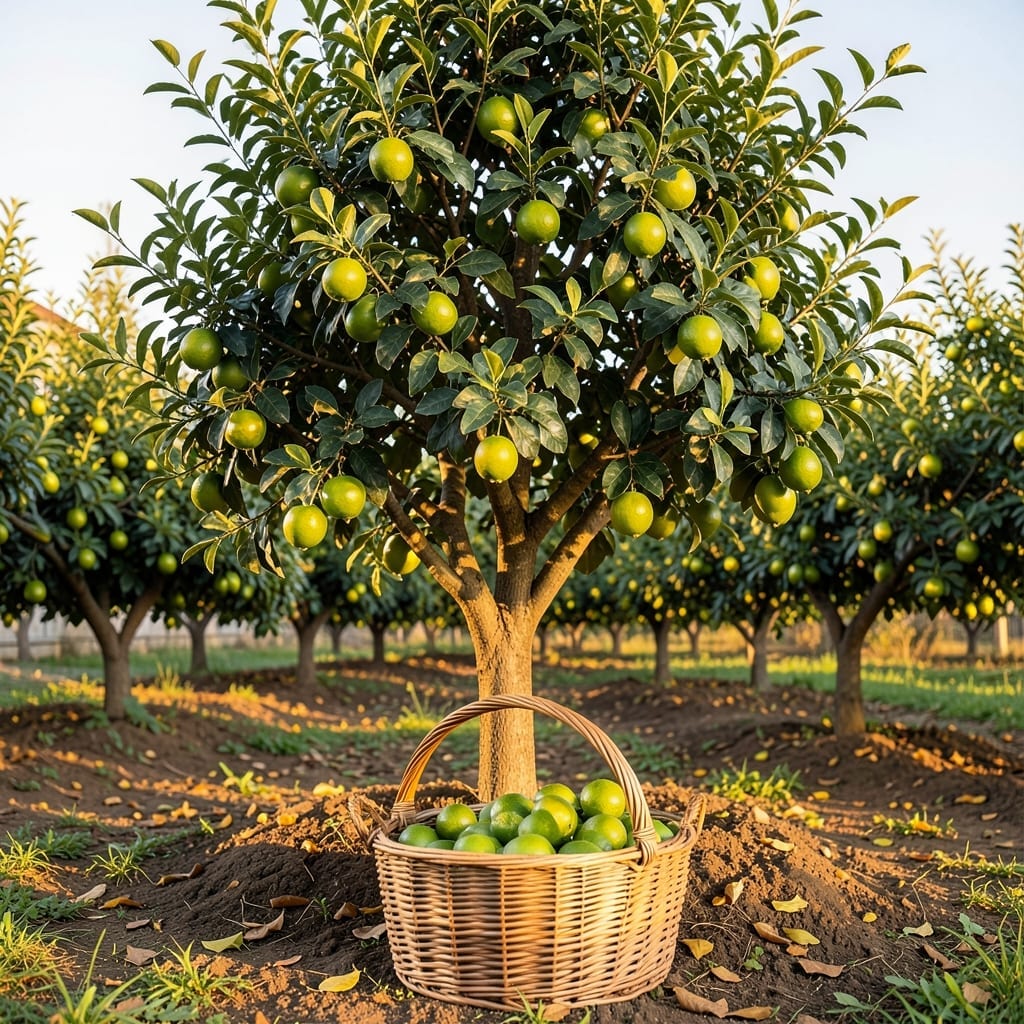
Lime trees reward patient gardeners with tangy, homegrown fruit—but knowing exactly when they’ll produce can save you seasons of waiting. Whether you’re growing a Key, Persian, or Bearss 🍈 Lime Tree, timing depends on age, variety, and climate.
In USDA zones 9-11, your tree’s fruiting schedule changes dramatically. Tropical climates may give you limes year-round, while subtropical areas typically see harvests from late summer to fall.
Young trees need 3-6 years to mature before bearing fruit. Even then, factors like soil quality, sunlight, and watering habits play a huge role in production timing.
Discover how to optimize your care routine for the best harvest windows. I’ll walk you through what to expect and how to encourage a more abundant yield from your Lime Tree.
If you’re wondering when lime trees produce fruit, the answer starts with their age. Most lime trees, whether Key lime or Persian lime, take 3 to 6 years to bear fruit when grown from seed. However, grafted trees often produce sooner, sometimes in as little as 2 to 3 years. 🌱
The variety also plays a huge role in the timeline. For example, Bearss lime trees can start producing fruit at 3 years old, while Kaffir lime trees may take closer to 5 to 6 years. Climate is another critical factor, with tropical regions offering year-round potential for fruit production. ☀️
Climate significantly impacts when lime trees produce. In tropical climates, like USDA zones 10-11, lime trees can produce fruit year-round. Meanwhile, in subtropical zones, such as zone 9, fruit production often peaks in late summer to early fall. 🌳
Grafted lime trees generally have a head start on fruit production. Since they’re cloned from mature trees, they bypass the lengthy juvenile period. I’ve seen grafted Mexican lime trees produce fruit in just 2 years under ideal conditions. This is a huge advantage for gardeners eager to harvest limes sooner. ✂️
Soil quality and care also influence the timeline. Lime trees thrive in well-draining soil with a pH of 6.0 to 7.0. If the soil is too alkaline or poorly drained, the tree may struggle to produce fruit, even if it’s mature. Regular feeding with a balanced citrus fertilizer can encourage earlier and more abundant fruiting. 💧
Watering practices matter too. Over-watering can lead to root rot, while under-watering stresses the tree, both of which delay fruit production. Aim for deep watering once a week, allowing the soil to dry slightly between sessions. This keeps the tree healthy and on track for timely fruit production. ☀️
Pruning is another key factor. Light pruning helps shape the tree and removes dead or diseased branches, which can redirect energy toward fruit production. However, avoid heavy pruning during the growing season, as this can remove potential fruit-bearing wood and set back your harvest timeline. ✂️
Finally, pollination plays a role in when lime trees produce fruit. While some lime varieties are self-pollinating, others benefit from cross-pollination. Planting multiple lime trees or introducing pollinators like bees can improve fruit set and lead to a more consistent harvest. 🌿
In my experience, the best way to ensure your lime tree produces fruit on schedule is to provide consistent care. This includes proper watering, fertilization, and protection from pests and diseases. With the right conditions, your lime tree will reward you with a bountiful harvest for years to come. 🌱
If you’re growing lime trees in USDA zones 9-11, your harvest window varies dramatically. In tropical climates, like South Florida or Hawaii, expect year-round production with peaks in summer and fall. Cooler areas see seasonal fruiting from late summer to early winter.
For Persian limes, the most common variety, peak harvest typically occurs in October through December in zone 9. Key limes often produce two crops annually—one in summer and another in fall, especially in zone 10.
Frost can delay or damage lime production. In zone 9, a late frost might push your harvest back by weeks. Temperature swings also affect fruiting—consistent warmth encourages flowering and fruit set.
In subtropical areas, like parts of California, Bearss limes often ripen in winter and early spring. This variety thrives in milder winters and can produce multiple crops if conditions are right.
Rainfall patterns impact timing too. Too much rain during flowering can reduce fruit set, while drought stress may cause premature drop. Aim for consistent moisture without waterlogging.
For the best results, I recommend monitoring your tree closely as seasons change. Watch for flower buds in spring—this is your first sign that harvest time is approaching in a few months. ☀️