
Beautiful Plants For Your Interior
Beautiful Plants For Your Interior
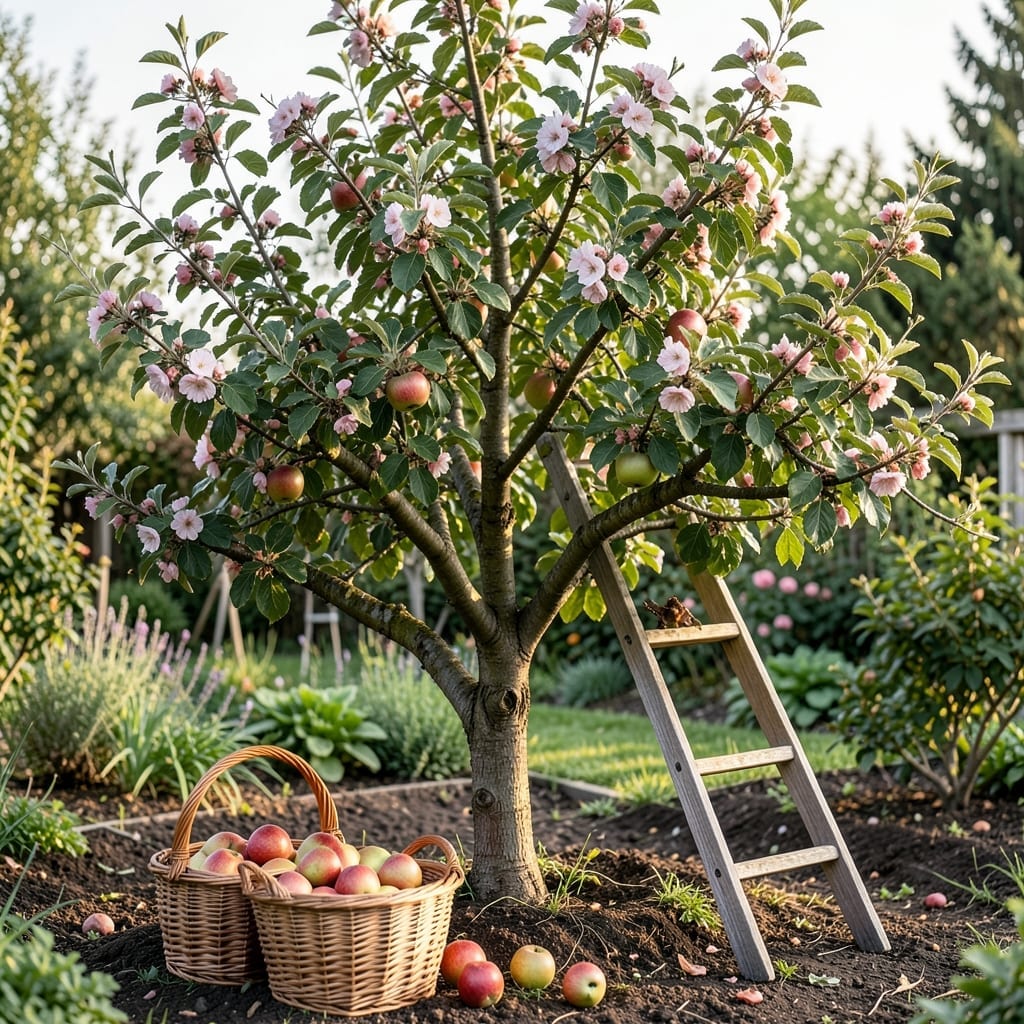
Patience is the key when growing Apple Trees 🍎—most varieties take years to bear fruit, but the wait depends on your tree type and climate.
Understanding these factors helps set realistic expectations. Whether you planted a dwarf or standard variety, knowing the timeline prevents unnecessary frustration.
Let me walk you through what to expect and how to maximize your harvest. The insights might surprise you and change how you care for your trees.
If you’re wondering when your apple tree will produce fruit, the answer depends on its variety and growing conditions. Dwarf, semi-dwarf, and standard apple trees all have different timelines for bearing fruit.
Dwarf apple trees are the quickest, often producing fruit in 2-3 years. Semi-dwarf varieties typically take 3-5 years, while standard trees can take 5-8 years or more.
| Variety | Years to First Fruit | Peak Productivity |
|---|---|---|
| Dwarf | 2-3 years | 5-10 years |
| Semi-Dwarf | 3-5 years | 8-15 years |
| Standard | 5-8 years | 10-20+ years |
Early-bearing apple varieties like Dorsett Golden or Anna can produce fruit in as little as 2 years, but these are exceptions. Most apple trees need time to establish strong root systems before they can support fruit.
I’ve found that semi-dwarf trees strike a great balance between manageable size and fruit production. They’re easier to prune and harvest than standard trees but still produce a generous yield.
The first fruit may not be abundant, but production increases as the tree matures. By year 5-7, many varieties reach their peak productivity, giving you a bountiful harvest each season.
Remember, grafted trees often bear fruit sooner than seed-grown trees. If you planted a tree from seed, it could take 10 years or more to see fruit, and it may not be true to the parent variety.
Climate plays a role too. In warmer zones, trees may mature faster, while in cooler areas, the timeline could be slightly delayed. Always choose varieties suited to your USDA zone.
Proper care, like pruning and fertilizing, can help your tree reach fruiting age sooner. I recommend using a balanced 10-10-10 fertilizer in early spring to support healthy growth.
If your tree isn’t producing fruit after the expected time, check for issues like poor pollination or inadequate sunlight. Apple trees need at least 6 hours of sun daily for optimal fruit production.
With patience and care, your apple tree will reward you with delicious fruit for decades to come. 🌳
Your apple tree’s fruiting timeline isn’t just about its variety—it’s heavily influenced by climate and growing conditions. Different regions and care practices can significantly speed up or delay fruit production.
Chill hours are critical for most apple varieties. These are the cumulative hours below 45°F during winter dormancy. Without enough chill hours, trees may produce fewer flowers and less fruit.
In warmer climates like zones 8-9, low-chill varieties such as Anna or Dorsett Golden thrive. These can produce fruit with as few as 300 chill hours, making them ideal for southern gardeners.
Proper pruning encourages fruit production by directing energy to fruit-bearing branches. I prune my trees in late winter to remove dead wood and open the canopy for better air circulation and sunlight penetration.
Fertilizing with a balanced 10-10-10 in early spring supports new growth. Avoid heavy nitrogen in late summer, which can promote leafy growth at the expense of fruit.
If your tree isn’t fruiting, check for environmental stressors like drought or extreme temperatures. Consistent care and optimal conditions help your tree reach its fruiting potential sooner. 🌱