
Beautiful Plants For Your Interior
Beautiful Plants For Your Interior
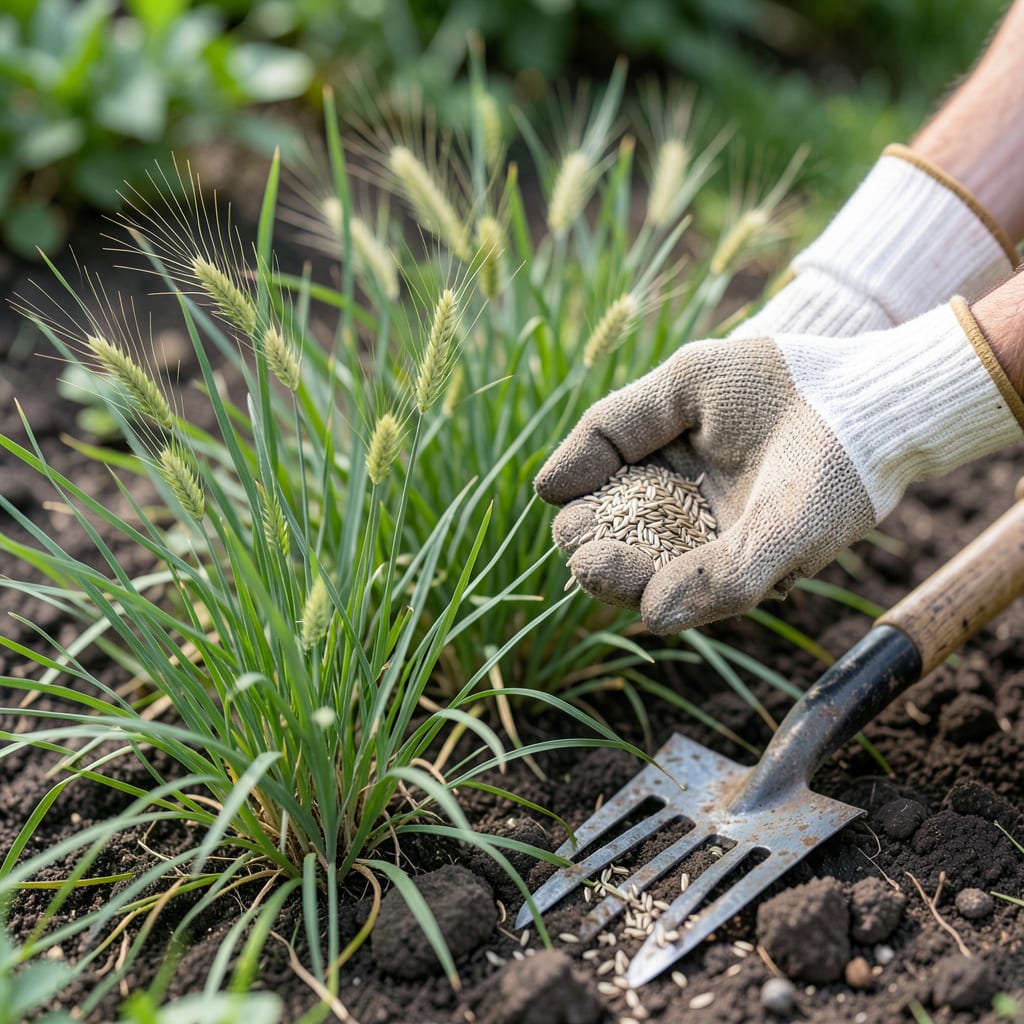
Wisconsin’s unpredictable weather can make lawn care challenging, but knowing when to plant Grass 🌿 seed can make all the difference. The right timing is crucial for a lush, green lawn that thrives throughout the seasons.
In Wisconsin’s USDA Zone 4-5 climate, the ideal time to plant Grass seed is during spring or late summer to early fall. Understanding these optimal planting windows is key to successful germination and establishment.
Wisconsin’s climate presents unique challenges for lawn care, but understanding the optimal times to plant grass seed can significantly improve your chances of success. The state’s continental climate with cold winters and warm summers requires careful timing for lawn establishment.
The ideal planting windows in Wisconsin depend on various factors including grass type, weather conditions, and regional variations across the state. Generally, the most successful planting occurs during two primary seasons: spring and late summer to early fall 🌿.
The spring planting window typically runs from late March to early May, when soil temperatures rise above 60°F. This period allows grass seedlings to establish before the hot summer weather arrives. In southern Wisconsin, you can usually start planting as early as late March, while in northern regions, it’s best to wait until late April or early May.
Late summer to early fall is often considered the optimal time for planting cool-season grasses in Wisconsin. During this period, the soil is still warm from summer, which promotes quick germination, while the cooler air temperatures reduce stress on young seedlings. Typically, this window falls between late August and mid-September.
When deciding between spring and fall planting, consider that fall planting often has advantages. The soil retains summer warmth, and there’s typically more consistent rainfall, reducing the need for frequent watering. However, spring planting can be successful if done early enough to allow seedlings to establish before summer heat.
Regional variations within Wisconsin also play a crucial role in determining the best planting time. Areas with shorter growing seasons, such as northern Wisconsin, may require adjustments to the planting schedule. Gardeners in these regions should consult local gardening guides or extension services for more specific advice tailored to their area.
Understanding these factors and choosing the right planting window is essential for establishing a healthy, thriving lawn in Wisconsin’s challenging climate. By aligning your planting schedule with the optimal seasons and conditions, you can set your grass seed up for success 🌿.
The specific type of grass seed you’re planting also influences the optimal timing. Cool-season grasses, which thrive in Wisconsin’s climate, generally do well when planted in either spring or fall. Warm-season grasses, while less common in the state, typically require late spring to early summer planting when soil temperatures are consistently warm.
Soil preparation is another critical factor that affects the success of grass seed planting. Ensuring the soil is well-prepared with proper drainage, fertility, and pH balance can significantly impact germination rates and seedling health.
In addition to timing and soil preparation, proper seeding techniques are vital for successful establishment. This includes applying the correct amount of seed, ensuring good seed-to-soil contact, and maintaining consistent moisture levels during the germination period.
By carefully considering these factors and planning your planting accordingly, you can maximize your chances of establishing a lush, healthy lawn that will thrive throughout the seasons in Wisconsin’s challenging climate.
Successful grass seed establishment in Wisconsin requires a combination of proper timing, appropriate grass type, thorough soil preparation, and careful post-planting care. By understanding and implementing these elements, you can achieve a vibrant, resilient lawn that enhances your property’s beauty and functionality.
Preparing your lawn for grass seed planting is a critical step in achieving a lush, healthy lawn in Wisconsin’s challenging climate. The process involves several key steps that help create an optimal environment for seed germination and establishment 🌿.
First, it’s essential to assess your lawn’s current condition and identify any areas that need improvement. This includes checking for soil compaction, thatch buildup, and existing vegetation that may compete with your new grass seed.
Conduct a soil test to determine your lawn’s pH level and nutrient content. This information will help you make informed decisions about necessary amendments.
Based on your soil test results, add necessary amendments to adjust the pH and improve soil fertility. This may include adding lime to raise the pH or sulfur to lower it.
Aerating your lawn helps alleviate soil compaction and improves air exchange, water absorption, and root growth. If you have significant thatch buildup, consider dethatching to promote healthy growth.
Choosing the right grass seed type for your Wisconsin lawn is crucial for success. Consider factors such as sunlight exposure, soil type, and intended use of the lawn when selecting a grass species. Cool-season grasses like Kentucky bluegrass, perennial ryegrass, and fine fescue are popular choices for Wisconsin lawns.
Proper seeding techniques are also vital for successful establishment. This includes applying the correct amount of grass seed, ensuring good seed-to-soil contact, and maintaining consistent moisture levels during the germination period. Consider using a rotary spreader or drop spreader to evenly distribute the seed.
By following these essential steps and tailoring your approach to your specific lawn conditions, you can create an optimal environment for your grass seed to thrive in Wisconsin’s climate 🌿.
Maintaining consistent moisture levels during the germination period is critical. Keep the soil consistently moist during the first few weeks after seeding. As the new grass seedlings establish, you can gradually reduce the frequency of watering.
Successful grass seed establishment in Wisconsin requires careful planning and preparation. By understanding the specific needs of your lawn and taking the necessary steps to prepare it for seeding, you can achieve a vibrant, resilient lawn that enhances your property’s beauty and functionality.
After planting grass seed in Wisconsin, proper post-planting care is crucial for successful establishment. The state’s continental climate with cold winters and warm summers requires careful maintenance to help new seedlings thrive 🌿.
One of the most critical factors in post-planting care is maintaining an appropriate watering schedule. During the first few weeks after seeding, it’s essential to keep the soil consistently moist but not waterlogged. This typically means watering lightly but frequently, often once or twice a day, depending on weather conditions.
Water newly seeded areas in the early morning to minimize evaporation and reduce the risk of fungal diseases. Avoid watering during the hottest part of the day.
As the new grass seedlings establish, you can gradually reduce the frequency of watering while increasing the amount of water applied during each session. This encourages deeper root growth, making your lawn more drought-resistant.
Mowing height is another important consideration for newly seeded lawns in Wisconsin. For the first few mowings, maintain your mower at a higher setting (3-4 inches) to avoid stressing the young seedlings. As the lawn matures, you can gradually lower the mowing height to your desired level.
Fertilization needs for newly seeded lawns should be carefully managed. Typically, a starter fertilizer is applied at the time of seeding or shortly after. This type of fertilizer is usually high in phosphorus, which promotes root development. Follow the manufacturer’s instructions for application rates to avoid over-fertilizing.
For long-term success, continue to monitor your lawn’s health throughout the growing season. Adjust your watering, mowing, and fertilization practices as needed based on weather conditions and the specific needs of your grass type.
By following these post-planting care tips, you can help ensure that your newly seeded lawn in Wisconsin establishes strongly and remains healthy throughout the seasons 🌿.
Regular maintenance, including proper mowing, watering, and fertilizing, will help your lawn thrive. Be patient, as it may take some time for the grass seed to fully establish and achieve the lush, green appearance you’re aiming for.
The best times to plant grass seed in Wisconsin are during spring (late March to early May) and late summer to early fall (late August to early September). These periods offer optimal conditions for germination and establishment.
Start by assessing your lawn’s condition, checking for soil compaction, thatch buildup, and existing vegetation. Then, conduct a soil test to determine your lawn’s pH level and nutrient content. Based on the results, add necessary amendments and consider aerating or dethatching your lawn.
Cool-season grasses like Kentucky bluegrass, perennial ryegrass, and fine fescue are popular choices for Wisconsin lawns. They thrive in the state’s continental climate with cold winters and warm summers. Consider factors like sunlight exposure, soil type, and intended use when selecting a grass species.
Keep the soil consistently moist during the first few weeks after seeding by watering lightly but frequently, often once or twice a day. As the new seedlings establish, gradually reduce the frequency of watering while increasing the amount of water applied during each session.
