
Beautiful Plants For Your Interior
Beautiful Plants For Your Interior
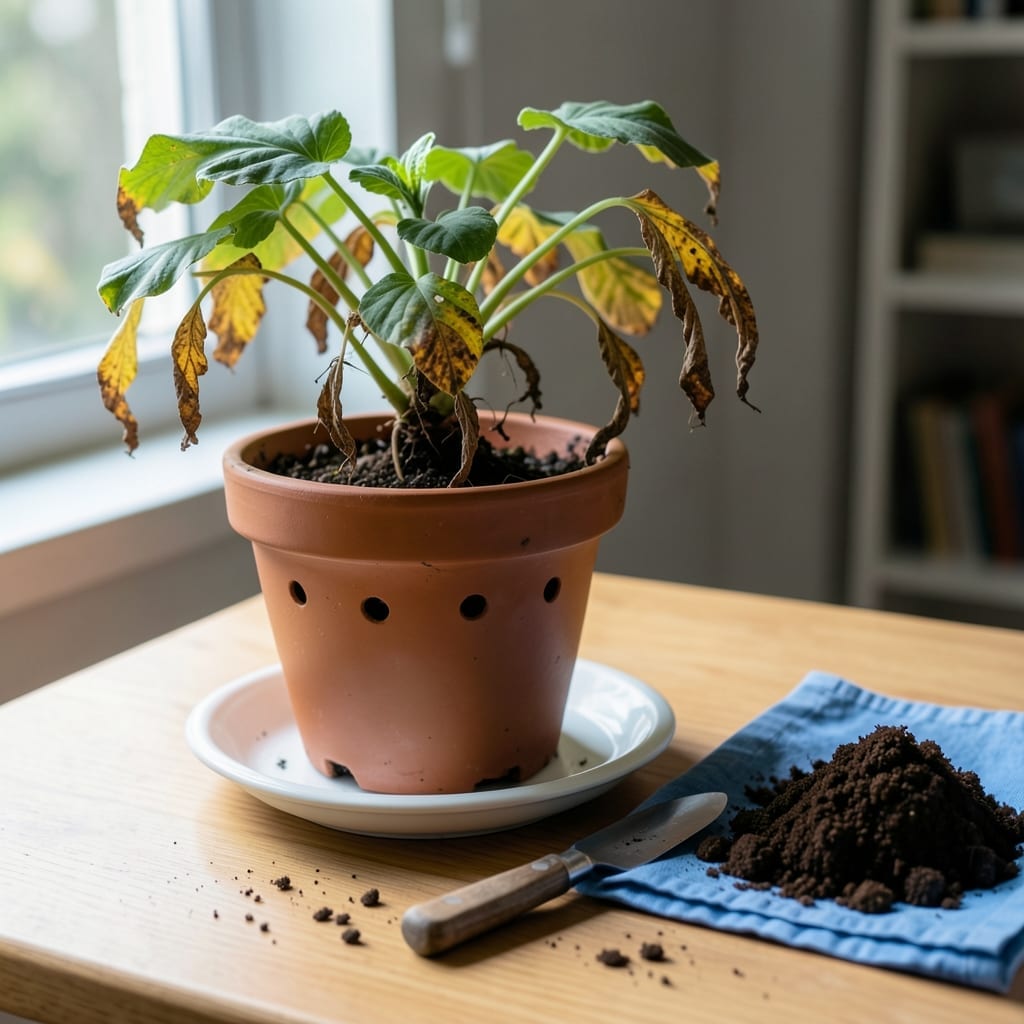
That sinking feeling when you realize you’ve drowned your favorite plant? I’ve been there more times than I’d like to admit. The good news is most overwatered plants can bounce back if you act fast.
First, stop watering immediately and check the roots. If they’re mushy and brown, it’s root rot. Yellowing leaves and soggy soil are your plant’s way of crying for help. The fix is simpler than you think.
Move your plant to a spot with good airflow and let the soil dry out completely. Tilt the pot to drain excess water, and consider repotting in fresh, well-draining soil if the damage is severe.
Within a week, you should see signs of recovery. Prevent future overwatering by checking soil moisture with your finger before reaching for the watering can.
Overwatering is a frequent issue for plant lovers, often stemming from good intentions gone awry. Understanding the root causes can help you avoid this problem in the future.
Many people believe plants need water daily, but most thrive on a “less is more” approach. Overwatering disrupts soil aeration, suffocating roots and preventing them from absorbing oxygen. This leads to root rot, a common and deadly condition for houseplants.
Pots without drainage holes or soil that retains too much moisture (like dense clay) trap water around the roots. Without proper drainage, excess water has nowhere to go, creating a waterlogged environment that encourages fungal growth and root decay.
Different plants have different water requirements. Succulents and cacti, for example, need very little water, while tropical plants may need more. Ignoring these needs and applying a one-size-fits-all watering schedule can quickly lead to overwatering.
Using a pot that’s too large for your plant can cause the soil to stay wet for longer periods, as the roots can’t absorb all the moisture. Similarly, using the wrong soil mix (e.g., garden soil for indoor plants) can compact over time, reducing drainage and aeration.
Overwatering is fixable! Here’s how to rescue your plant based on the issue:
If leaves turn yellow, pause watering immediately. Let the soil dry out completely before the next drink. Check moisture by sticking your finger 2 inches deep—only water if dry. Prevention tip: 💡 Use a moisture meter or water on a set schedule (e.g., every 10–14 days for most houseplants).
For mushy, dark roots, act fast. Gently remove the plant, trim rotten roots with clean scissors, and repot in fresh, well-draining soil. Choose a pot with drainage holes to avoid future soggy soil. Prevention tip: ✨ Add perlite or sand to improve soil aeration.
If your plant looks limp despite wet soil, drainage is likely the culprit. Tip the pot to let excess water escape, or move it to a sunnier spot to speed up evaporation. Prevention tip: 🎯 Always use pots with drainage holes and empty saucers after watering.
Tiny flies hovering around the soil? They thrive in damp conditions. Let the top 1–2 inches of soil dry out between waterings. For severe cases, use yellow sticky traps or a layer of sand on top. Prevention tip: 🌡️ Avoid overwatering and ensure good airflow around plants.
Look for yellowing leaves, mushy stems, or soil that stays soggy for days. A foul smell from the pot is another red flag.
Only if you suspect root rot. Otherwise, stop watering and move it to a dry, sunny spot. Remove it from decorative outer pots that trap water.
Wait until the top 2-3 inches of soil feel completely dry. For most houseplants, this takes 7-14 days. Always check first!
Yes, but act fast. Trim all black, mushy roots, repot in fresh soil, and reduce watering. Recovery may take 2-4 weeks.