
Beautiful Plants For Your Interior
Beautiful Plants For Your Interior
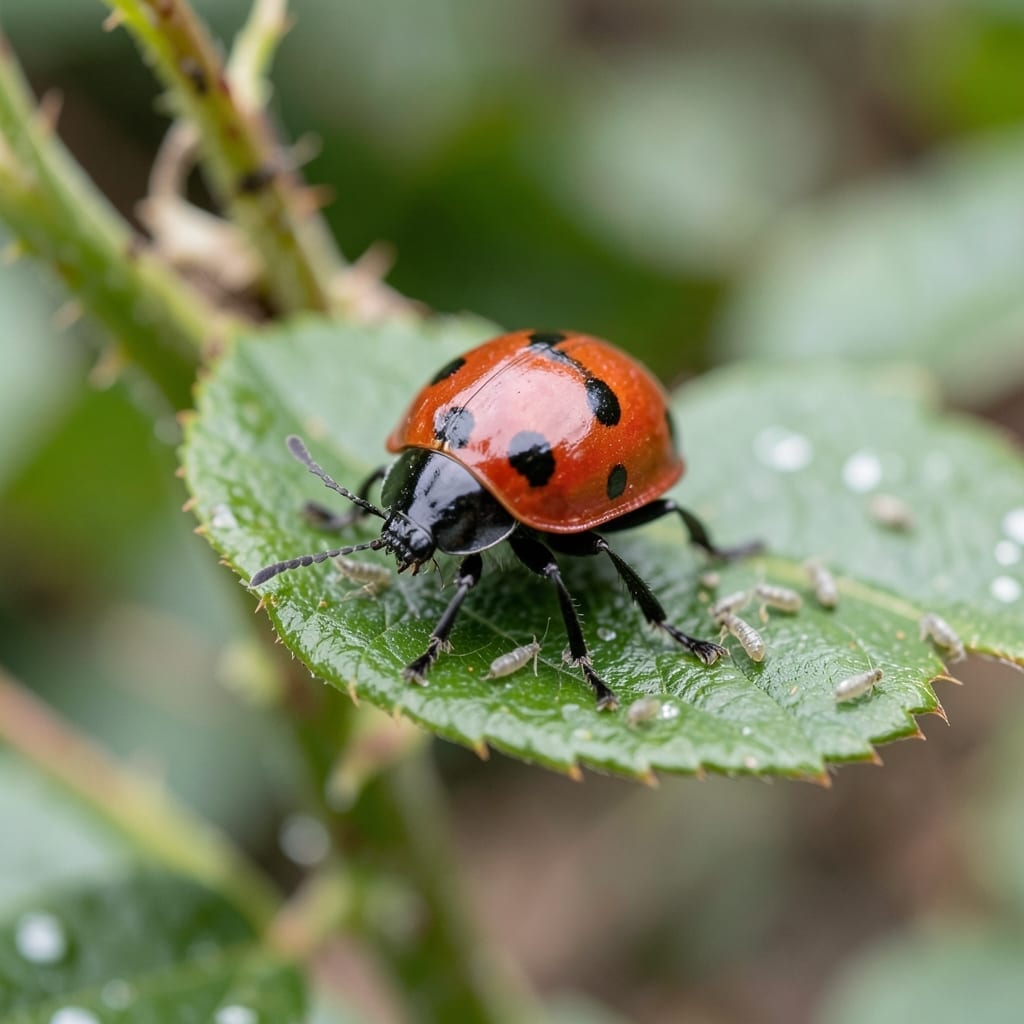
I spotted the first aphids on my rosebuds last Tuesday. Tiny green invaders, clustering on new growth like they owned the place. Within 48 hours, they’d spread to three more plants if I didn’t act fast.
Here’s the thing—you don’t need harsh chemicals to stop them dead in their tracks. A simple spray of soapy water or neem oil does the trick, killing on contact without harming your garden’s ecosystem. I keep a ready-to-use bottle by the back door now.
What surprised me most? These sprays work immediately. One treatment and you’ll see the difference within hours, not days. The plants recover fast and the aphids don’t come back—at least not for a while.
Prevention’s easier than you think too. A few companion plants and regular inspections keep them from returning. Works for flowers, vegetables, even your houseplants.
Aphids thrive due to a mix of biological and environmental factors. Understanding these causes helps you tackle infestations effectively.
Excess nitrogen in soil promotes rapid, soft plant growth—aphids’ favorite food. New, tender shoots are low in defensive compounds, making them easy targets. Reduce high-nitrogen fertilizers and opt for balanced, slow-release options.
Aphids reproduce explosively in warm (60–80°F) and humid conditions. These climates speed up their life cycle, allowing multiple generations to emerge in weeks. Monitor weather patterns and act preemptively during peak seasons.
Ladybugs, lacewings, and parasitic wasps keep aphid populations in check. If your garden lacks biodiversity, aphids multiply unchecked. Plant companion flowers (e.g., marigolds, yarrow) to attract beneficial insects.
Dense foliage traps moisture and limits airflow, creating ideal aphid habitats. Prune regularly and space plants properly to improve ventilation and reduce hiding spots.
Tackling aphids doesn’t have to be a battle. With the right approach, you can eliminate them on contact and keep your plants thriving. Here’s how to solve the problem based on the cause:
Fix: Spray a soapy water solution (1 tsp mild dish soap + 1 quart water) directly on aphids. The soap breaks down their protective coating, causing them to dehydrate and die instantly. Reapply every 2-3 days until they’re gone.
Prevention: Inspect plants weekly for early signs. Introduce beneficial insects like ladybugs or lacewings, which feast on aphids naturally.
Fix: Use neem oil (mix 2 tbsp with 1 gallon of water + 1 tsp soap as an emulsifier). Spray thoroughly, focusing on the undersides of leaves where aphids hide. Neem oil disrupts their life cycle and kills them on contact.
Prevention: Rotate crops and avoid over-fertilizing with nitrogen, which attracts aphids. Plant repellent companions like garlic, chives, or marigolds nearby.
Fix: A DIY garlic or chili pepper spray (blend 2-3 cloves of garlic or 1 tbsp chili powder with water, strain, and add a drop of soap). The strong scent repels aphids and kills them upon contact. Test on a small area first to avoid plant damage.
Prevention: Maintain healthy soil with compost to strengthen plant resistance. Remove weeds, which can harbor aphids.
💡 Pro Tip: Always spray in the early morning or late evening to avoid harming beneficial pollinators like bees. Shake your spray bottle well before use for even coverage!
Soapy water works almost instantly. The soap breaks down their protective coating, causing dehydration. You’ll see results within hours of application.
Stick to mild, unscented dish soaps like Castile. Harsh detergents can damage plants. Always mix at a ratio of 1 tsp per quart of water.
Neem oil is low-risk but can affect bees if sprayed directly. Apply in the early morning or evening when pollinators are less active.
For mild infestations, reapply every 2-3 days until gone. Heavy infestations may need daily treatment for 1 week.