
Beautiful Plants For Your Interior
Beautiful Plants For Your Interior
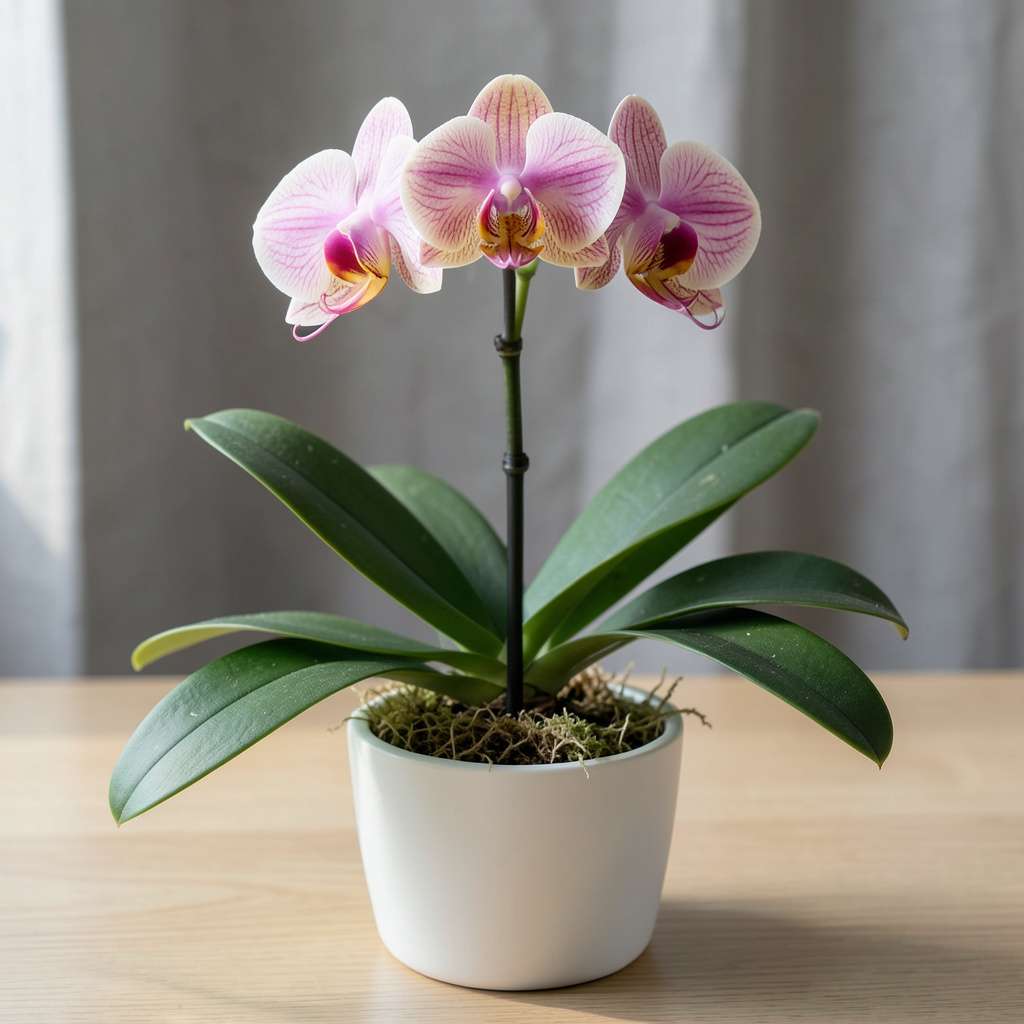
Orchids progress through germination, seedling, mature growth with flowering, and aging. Proper light, water, and nutrients are essential for each phase to thrive.
The life cycle of orchids is fascinating and involves distinct phases that require specific care. 🌱 For example, during the germination stage, conditions such as humidity and temperature play a crucial role in successful sprouting. I’ve learned that each stage, from seedlings to mature plants, demands attention to factors like light levels and nutrient supply to ensure healthy growth and flowering. Understanding these nuances can significantly enhance your orchid care routine and promote vibrant blooms.
💡 In This Article
The life cycle of orchids is a captivating journey through several distinct stages, each requiring specific environmental conditions. Starting with germination, orchid seeds, which are incredibly tiny, need a warm, humid environment to sprout. This often occurs within 2-3 weeks under optimal conditions. 🌱
During the seedling phase, the newly sprouted orchids develop roots and leaves. This stage can last anywhere from 6 months to a year. Adequate light is crucial here; a bright, indirect light source mimics their natural habitat, promoting healthy growth. Watering should be infrequent yet thorough, ensuring moisture without waterlogging. 💧
As orchids mature, they enter the flowering phase, often triggered by changes in light and temperature. Typically, this happens in late winter to spring. The biological process involves hormonal changes that initiate blooming, leading to stunning flowers that can last for several weeks to months.
During this time, maintaining a temperature range of 65-75°F and consistent humidity is essential for vibrant blooms. 🌸
After flowering, orchids enter a dormancy phase where growth slows significantly. This is a critical time for the plant to conserve energy and prepare for the next cycle. Reducing watering frequency and maintaining cooler temperatures around 60°F can help mimic natural seasonal changes, allowing orchids to rest before the next growth spurt. 🌿
Each of these stages emphasizes the importance of tailored care. For instance, during dormancy, many growers mistakenly overwater their orchids, leading to root rot. Understanding the specific needs at each phase can prevent common pitfalls and promote healthier plants overall. 🔍
In summary, the orchid life cycle unfolds through germination, seedling development, flowering, and dormancy, each requiring unique environmental factors and care techniques. By observing your orchids closely and adjusting care routines accordingly, you can foster a thriving collection that rewards you with beautiful blooms year after year. 🌼
