
Beautiful Plants For Your Interior
Beautiful Plants For Your Interior
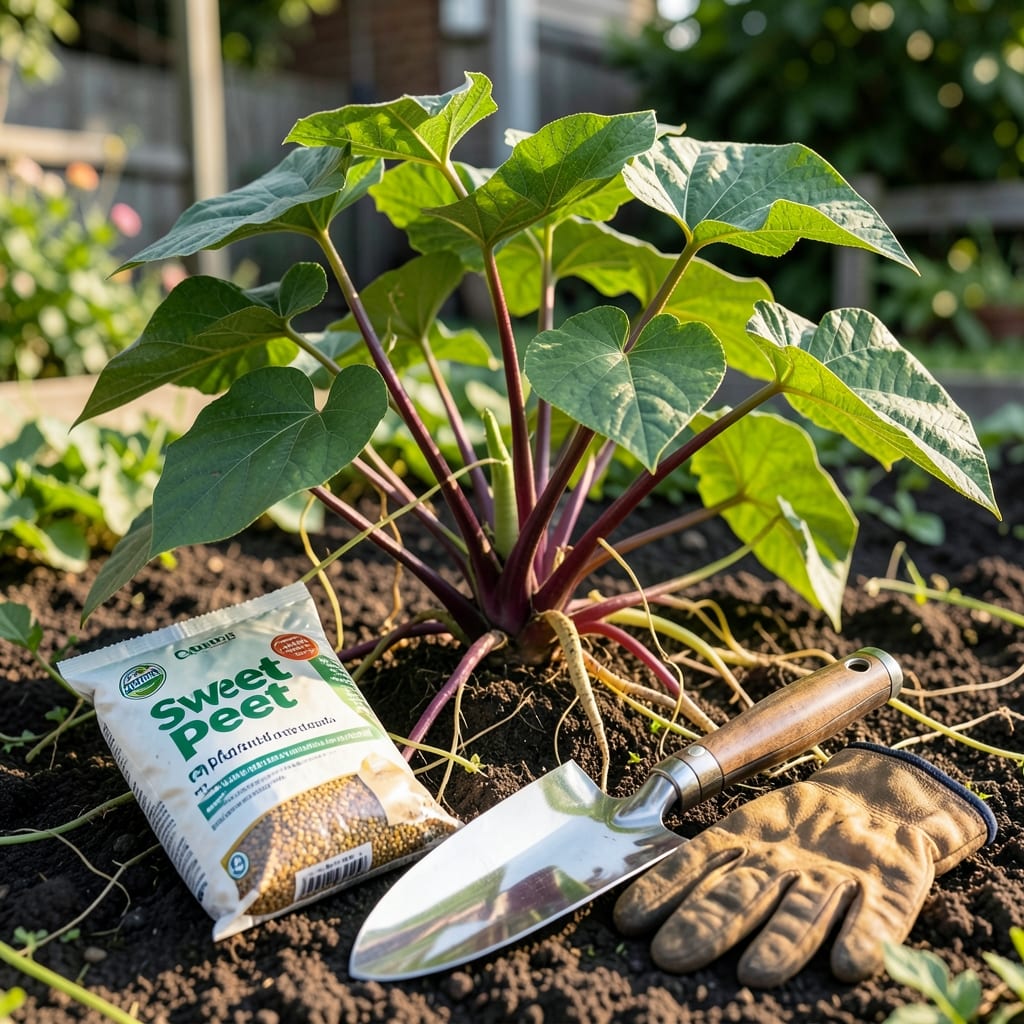
Sweet Peet is a decomposed pine bark compost used as a soil amendment and mulch. It improves soil structure, retains moisture, and provides organic matter for healthier plant growth.
I love using this in my garden because it’s a natural way to boost soil fertility without harsh chemicals. 🌟 The decomposition process breaks down the pine bark into humus, which enriches the soil with nutrients that plants crave, while also improving drainage and aeration.
It’s especially great for sandy or clay-heavy soils that struggle with moisture retention or compaction. ✨
💡 In This Article
The transformation begins with pine bark undergoing controlled decomposition over 6-12 months. Microorganisms break down complex carbon compounds into humus, releasing nitrogen, phosphorus, and potassium in plant-available forms. This process also neutralizes the bark’s natural acidity, making it safe for most garden plants. 🔥
The resulting humus has a remarkable cation exchange capacity (CEC) of 40-60 meq/100g, meaning it can hold and slowly release nutrients to plant roots. Unlike fresh bark which can tie up nitrogen as it decomposes, aged Sweet Peet actually contributes nitrogen to the soil ecosystem.
The dark, crumbly texture improves soil structure by creating pore spaces that allow roots to breathe.
What I notice most is how it transforms heavy clay soils. The organic matter binds with clay particles to form aggregates, improving drainage by up to 30% while maintaining moisture retention. In sandy soils, it acts like a sponge, holding 2-3 times its weight in water. ✨
The microbial activity it supports is equally impressive. A handful of Sweet Peet contains millions of beneficial bacteria and fungi that form symbiotic relationships with plant roots. These microbes help break down organic matter further, create natural plant growth hormones, and even protect roots from pathogenic organisms.
For vegetable gardens, I’ve measured pH stabilization effects—Sweet Peet buffers soil pH between 6.0-7.0, the ideal range for most crops. This means less lime application in acidic soils and fewer amendments needed in alkaline conditions. 💫
Controlled decomposition takes 6-12 months to transform pine bark into usable compost. Microorganisms break down the material into nutrient-rich humus during this period.
It works well with most plants, especially acid-loving ones like blueberries and azaleas. For vegetables like tomatoes, it improves drainage and nutrient availability significantly.
For new beds, mix at 1:3 ratio with native soil, about 2-3 inches worked into the top 6-8 inches. This creates an ideal rooting environment.
Yes, it buffers soil pH between 6.0-7.0, which is ideal for most crops. This means fewer amendments are needed for acidic or alkaline soils.