
Beautiful Plants For Your Interior
Beautiful Plants For Your Interior
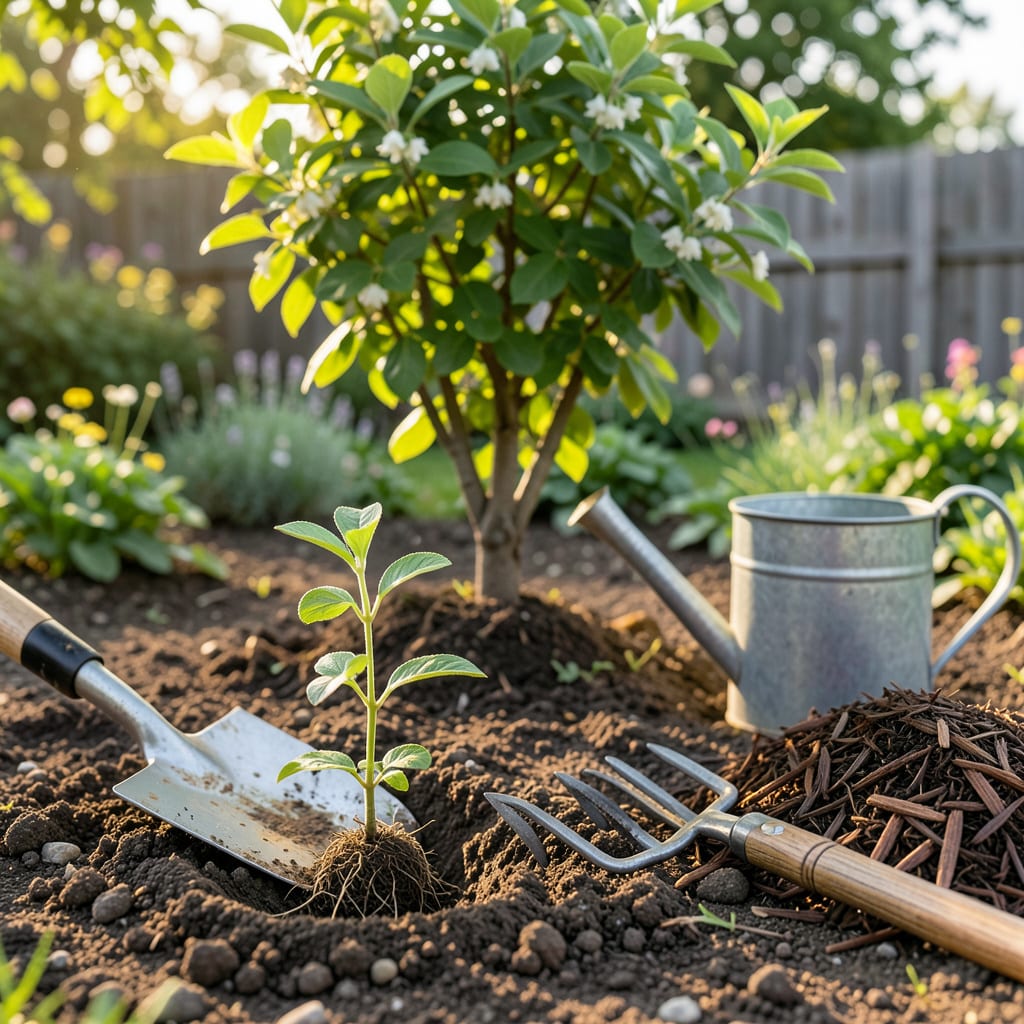
If you’ve ever bitten into a store-bought blueberry and thought, “This could be so much sweeter,” you’re not alone. The secret to those burst-in-your-mouth flavors starts with perfect timing—especially here in Pennsylvania, where our climate plays by its own rules.
Plant your 🌱 blueberry bushes at the wrong time, and you might end up with lackluster harvests or struggling plants. But get it right? You’ll be rewarded with years of juicy, sun-warmed berries straight from your backyard. Let me show you exactly when to plant for maximum success in PA’s unique growing conditions.
If you’re eager to grow juicy blueberries in Pennsylvania, timing your planting is critical. PA’s climate varies from USDA Zones 5–7, meaning frost dates and soil warmth differ across regions. I’ve found that early spring (March–April) and early fall (September–October) work best for most areas.
Spring planting lets bushes establish roots before summer heat, while fall planting gives them a head start for next year. But there’s more to it than just picking a season—soil temperature and frost risks play huge roles. Let’s break down the ideal windows for Southeastern PA vs. the Pocono Mountains.
| Season | Ideal Months | Pros | Cons |
|---|---|---|---|
| Spring | March–April | Roots establish before summer; higher survival rates in Zone 6 | Risk of late frosts in Northern PA; needs frequent watering |
| Fall | September–October | Cooler temps reduce stress; stronger root growth before winter | Avoid planting after October 15 (Zone 6 frost risk) |
Note: For Southeastern PA (Zone 7), extend fall planting to early November. In Pocono Mountains (Zone 5), aim for late April spring planting.
In Southeastern PA (think Philadelphia or Lancaster), you can push fall planting into early November thanks to milder winters. But in Zone 5 areas like the Poconos, I’d stick to September–early October to avoid frost damage. Always check your local frost dates—PA’s last spring frost ranges from April 10–May 10 depending on the region.
For spring planting, wait until soil temps hit 50°F. Use a soil thermometer—it’s a game-changer! If you’re planting in fall, aim for at least 6 weeks before the first frost so roots can settle. In Zone 6 (e.g., Pittsburgh), that means wrapping up by mid-October.
Here’s a pro tip: If you’re in clay-heavy soil (common in Central PA), fall planting gives roots time to adapt before spring growth. For sandy soil (like in the Lehigh Valley), spring planting helps bushes establish faster with consistent moisture.
Don’t forget about microclimates! A south-facing slope in Berks County warms up faster than a shaded spot in Erie. I’ve seen bushes planted in full sun thrive a full 2 weeks earlier than those in partial shade. Use this to your advantage!
If you’re torn between seasons, consider this: Fall-planted bushes often yield 20% more fruit the following year because they focus on root growth without fruit production stress. But if you’re in a low-lying area prone to frost pockets, spring might be safer.
No matter when you plant, mulch heavily (2–3 inches of pine bark or straw) to protect roots. In Western PA, where winters can be harsh, add an extra layer before Thanksgiving. And always water deeply after planting—1–2 gallons per bush—to settle the soil.
Finally, keep an eye on the 10-day forecast before planting. If temps are set to dip below 28°F within a week of planting, hold off. Blueberry bushes are hardy, but young plants need time to acclimate before facing PA’s unpredictable weather.
Getting your Pennsylvania soil ready for blueberries is half the battle. These bushes thrive in acidic soil (pH 4.5–5.5), but most PA gardens start with neutral or alkaline conditions. I’ve learned the hard way that skipping soil prep leads to yellow leaves and stunted growth.
The first step is testing your soil. Grab a pH test kit from your local garden center or use Penn State Extension’s testing service for detailed results. In Central PA’s clay-heavy regions, you’ll likely need to amend more aggressively than in the sandy soils of the Lehigh Valley.
Pro Tip: In Western PA’s humid summers, add mycorrhizal fungi to help roots absorb nutrients efficiently.
In Southeastern PA, where soils tend to be sandy and fast-draining, I recommend mixing in sphagnum peat moss to boost moisture retention. For Northern PA’s rocky terrain, loosen soil 18 inches deep and remove stones to encourage root spread.
If your test shows high alkalinity (common near limestone bedrock), consider container planting with a 50/50 peat-perlite mix. This gives you full control over pH and drainage. I’ve seen container-grown blueberries in Lancaster County outperform in-ground plants in poor soil.
Don’t forget about water quality! PA’s tap water can be alkaline. If your pH is off, use rainwater or distilled water for the first month. A soil moisture meter helps avoid overwatering—blueberries hate soggy roots but need consistent dampness.
For new plantings, dig holes twice as wide as the root ball but no deeper. This encourages roots to spread outward. In heavy clay, create a mound 6–8 inches high to improve drainage. After planting, water deeply with a weak vinegar solution (1 tbsp per gallon) to give pH an extra nudge.
Finally, mark your calendar for annual soil checks. PA’s weather can shift pH over time. I retest every early spring and adjust with cottonseed meal (a gentle acidifier) if needed. With the right prep, your blueberries will reward you with bountiful harvests for decades! 🌱
Choosing the right blueberry variety for Pennsylvania’s climate can make or break your harvest. Our USDA Zones 5–7 need cultivars that handle cold winters and humid summers while delivering big flavors. I’ve tested dozens over the years—here are the standouts.
For early-season berries, ‘Duke’ is my top pick. It ripens in late June and thrives in Zone 5, making it perfect for the Poconos or Northwestern PA. Its firm, large berries hold up well in PA’s summer rains.
| Variety | Harvest Time | Zone Hardiness | Best For |
|---|---|---|---|
| Duke | Late June | 4–7 | Cold climates, early harvests |
| Bluecrop | Mid-July | 4–7 | Reliable mid-season, heavy producer |
| Jersey | Late July | 4–7 | Late harvests, disease-resistant |
| Chandler | Mid-July | 5–8 | Large berries, needs pollinator |
Tip: Plant two varieties for cross-pollination and extended harvests.
If you want a mid-season powerhouse, ‘Bluecrop’ is the gold standard. It’s disease-resistant and produces consistent yields even in humid PA summers. I’ve seen 5–7 pounds per bush in Southeastern PA with minimal care.
For late-season berries, ‘Jersey’ is a winner. It ripens in late July and handles heat stress better than most. Pair it with ‘Bluecrop’ for a 6-week harvest window. In Western PA, its disease resistance shines against common fungal issues.
Looking for giant berries? ‘Chandler’ produces some of the largest fruit, but it needs a pollination partner like ‘Duke’. Plant them 3–4 feet apart for best results. Just note it’s less cold-hardy, so avoid it in Zone 5 without winter protection.
For container gardening (great for urban PA growers), try ‘Top Hat’. This dwarf variety stays under 2 feet tall but packs big flavor. It’s perfect for patios in Philadelphia or small yards in Pittsburgh. Use a 20-gallon pot with acidic potting mix.
No matter which variety you choose, remember: PA’s clay soil can challenge even the hardiest bushes. Amend with peat moss and pine bark at planting, and mulch with 2–3 inches of wood chips annually. With the right variety and care, you’ll enjoy decades of harvests! 🌿
Fall planting often gives bushes a 20% yield boost the following year because roots establish without fruit production stress. However, in Zone 5 areas like the Poconos, spring planting may be safer to avoid frost damage. Always plant 6+ weeks before first frost if choosing fall.
Test your soil’s pH—blueberries need 4.5–5.5. Most PA soils are too alkaline, so amend with sulfur or peat moss. For clay-heavy areas (common in Central PA), mix in pine bark fines to improve drainage. A $15 test kit from Penn State Extension gives precise results.
Use a 20+ gallon pot with acidic potting mix (50% peat, 50% perlite). Dwarf varieties like ‘Top Hat’ thrive in containers and are perfect for urban patios in Philly or Pittsburgh. Water daily in summer—potted bushes dry out faster than in-ground plants.
Skipping soil prep! Many plant without adjusting pH, leading to yellow leaves and poor growth. Another common error: over-fertilizing young bushes. Stick to 1 tbsp of 10-10-10 fertilizer per plant in the first year. Mulch with 2–3 inches of pine bark to retain moisture.
Expect small harvests in year 2 and full production by year 3. Fall-planted bushes often fruit 6 months earlier than spring-planted ones. In Southeastern PA (Zone 7), you might get a few berries the first year if planted in early fall. Patience pays off!
