
Beautiful Plants For Your Interior
Beautiful Plants For Your Interior
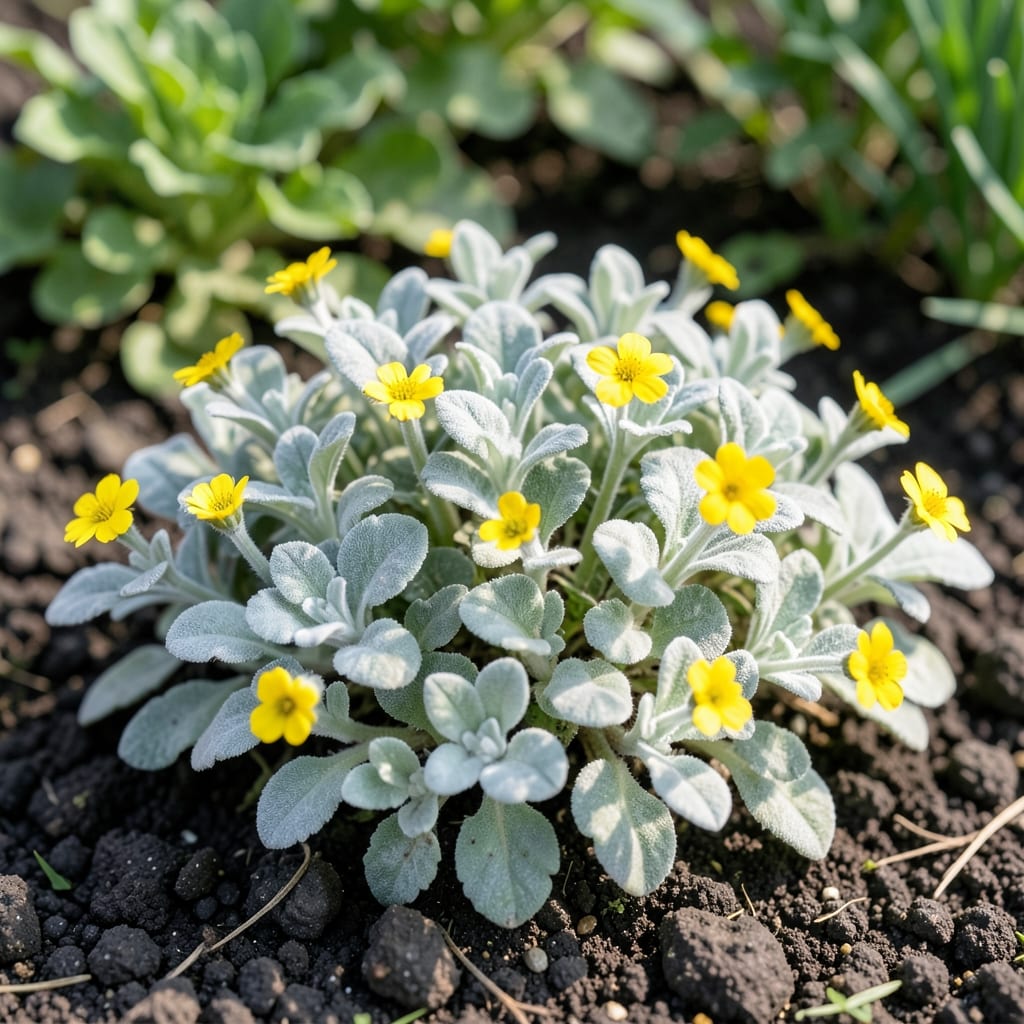
Silverine is a common name for certain plants with silvery foliage, often used in ornamental gardening for their striking appearance and drought tolerance.
I’ve noticed these plants thrive in hot, dry conditions thanks to their reflective leaves that reduce water loss. Their metallic sheen comes from tiny hairs or waxy coatings that scatter light, creating that distinctive shimmer. 💫 In my garden, they’ve been low-maintenance stars, needing minimal water once established. Many varieties also attract pollinators, adding eco-friendly value to their visual appeal.
💡 In This Article
The silvery foliage of these plants results from microscopic hairs called trichomes or a waxy cuticle that reflects light. This adaptation evolved to protect leaves from intense sunlight and reduce water loss in arid environments. 🌟
Trichomes create a fuzzy texture that traps moisture near the leaf surface, while the waxy coating acts like a natural sunscreen. Plants like Dusty Miller or Lamb’s Ear showcase this trait, with leaves appearing almost metallic in full sun.
These structural features also deter pests. The dense hair coverage makes it difficult for insects to access the leaf surface, providing natural pest resistance. This is why silverine varieties often require fewer chemical treatments in gardens.
Growth habits vary by species, but most form low mounds or spreading mats. Their compact size makes them ideal for border plantings or ground covers, with some varieties reaching only 6-12 inches in height while spreading up to 2 feet wide. ⚡
The leaf color isn’t just silver—it can range from pale gray to almost white, depending on the species and light exposure. More sunlight typically intensifies the metallic sheen, while shade produces greener tones.
This color variation comes from the density and type of trichomes or wax layers. Some plants develop thicker coatings in response to drought stress, making their foliage appear more pronouncedly silver during dry periods. ✨
Their leaves develop microscopic hairs or waxy coatings that reflect light, protecting them from intense sun and reducing water loss. This adaptation helps them thrive in hot, dry climates.
Water deeply every 7-10 days during dry periods once established. Always check soil moisture 2 inches deep first—overwatering leads to root rot.
Use pots with drainage holes and gritty potting mix. They make excellent thriller plants in mixed containers, pairing well with purple or blue flowers.
Take 4-6 inch stem cuttings in spring, remove lower leaves, and root in moist potting mix. They’ll establish in 2-3 weeks with proper care.