
Beautiful Plants For Your Interior
Beautiful Plants For Your Interior
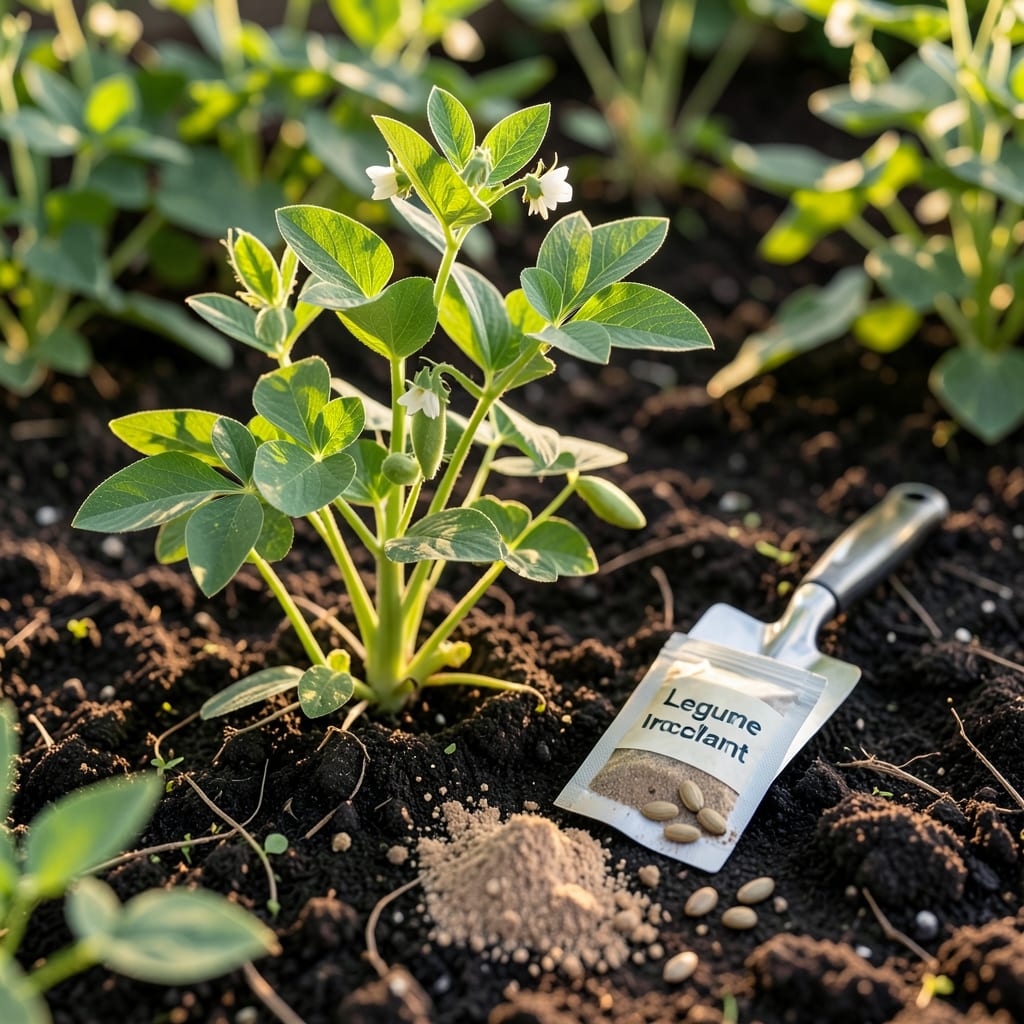
The magic happens underground where microbes form symbiotic relationships with plant roots. Rhizobia bacteria, for example, create nodules on legume roots where they convert atmospheric nitrogen (N₂) into plant-usable ammonia through a process called nitrogen fixation.
This natural factory can supply up to 50-100 lbs of nitrogen per acre annually to crops like peas and beans.
Mycorrhizal fungi take a different approach by extending the root system‘s reach. Their thread-like hyphae can explore soil up to 100 times more volume than roots alone, accessing phosphorus and micronutrients that would otherwise remain locked in the soil.
This partnership is so efficient that plants can reduce their own root growth by 30-50% while maintaining the same nutrient uptake.
Beyond nutrient delivery, these microbes improve soil structure by producing glomalin, a protein that binds soil particles together. This creates better aeration and water retention—crucial for plant resilience during dry spells. In our tests, inoculated soils retained 20-30% more moisture than untreated plots. ✨
Another key mechanism is organic matter decomposition. Bacteria like Pseudomonas and Bacillus species break down complex compounds into simple nutrients. They also produce growth-promoting substances like auxins and gibberellins, which stimulate root development and overall plant vigor. 🔥
In container gardening, we’ve observed inoculated plants often establish 2-3 weeks faster than uninoculated ones. This acceleration comes from reduced transplant shock as the microbes help repair damaged root tissues during the move. The same effect helps seedlings overcome the stress of germination in less-than-ideal conditions.
They introduce beneficial microbes that form symbiotic relationships with roots, improving nutrient uptake. For example, rhizobia fix atmospheric nitrogen, while mycorrhizae extend root reach by 100 times.
Most plants benefit, but match the type to your crop. Use rhizobial for legumes and mycorrhizal for other vegetables, fruits, or ornamentals. Always check label compatibility.
For seeds, apply directly before planting. For established plants, work granular or powder formulations into the root zone. Water thoroughly afterward to help microbes connect with roots.
Avoid chemical fertilizers for 2-4 weeks after application, as they can hinder microbial establishment. Organic fertilizers are generally compatible.