
Beautiful Plants For Your Interior
Beautiful Plants For Your Interior
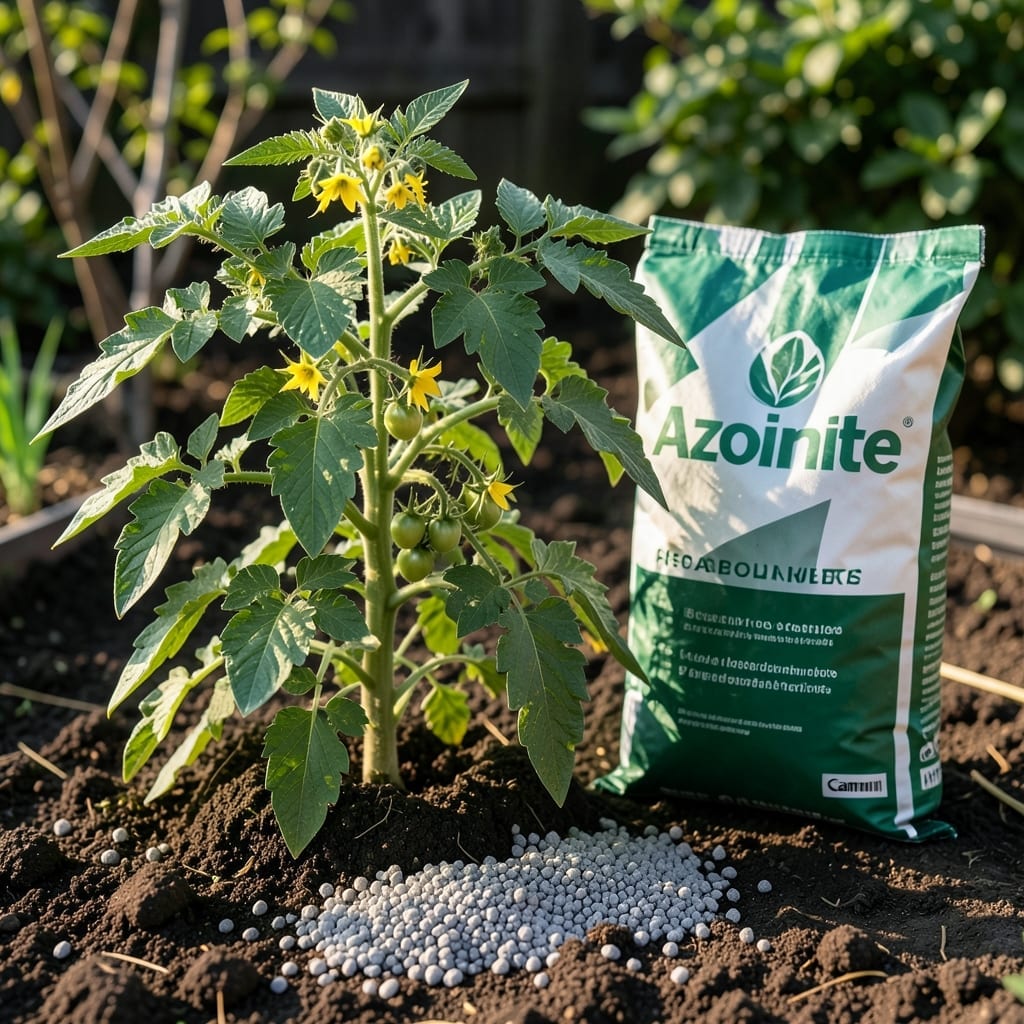
Azomite is a natural mineral deposit used to remineralize soil, providing essential trace minerals that enhance plant growth, improve nutrient uptake, and boost overall crop health.
I’ve seen firsthand how this unique mineral powder transforms depleted soil into a thriving ecosystem. Trace elements like zinc and magnesium activate enzymes that plants can’t produce on their own, while its fine texture ensures even distribution. What surprises many gardeners is its ability to work slowly over months, making it perfect for both vegetable patches and flower beds. 🌱
💡 In This Article
Azomite works by slowly releasing over 60 trace minerals that modern agriculture often depletes from soil. The volcanic ash composition breaks down gradually, feeding plants nutrients like boron, manganese, and copper that are vital for metabolic processes but rarely present in sufficient quantities in typical fertilizers. 🌱
The slow-release mechanism is key—unlike synthetic fertilizers that deliver an immediate but short-lived nutrient spike, Azomite’s minerals become available over 3-6 months. This steady supply ensures plants receive consistent nourishment throughout their growth cycle, particularly benefiting deep-rooted crops like tomatoes and fruit trees.
What most gardeners don’t realize is how Azomite boosts soil biology. Its mineral diversity creates an ideal environment for beneficial microbes, which then help break down organic matter and make nutrients more accessible to plant roots. This microbial activity also improves soil structure, leading to better water retention and aeration.
The physical structure of Azomite matters too. Its fine, powdery texture (similar to flour) allows it to mix uniformly with soil, preventing nutrient hotspots. When applied at planting time, it forms a mineral reserve that roots can access as they grow, supporting everything from seedling development to fruit production.
For organic gardeners, Azomite is particularly valuable because it’s OMRI-listed and contains no synthetic additives. It works synergistically with compost and other organic amendments, creating a balanced soil ecosystem that supports plant health from the ground up. ✨
For best results, apply Azomite every 3-4 months as a top dressing. For new plantings, mix it into the soil before planting. This slow-release mineral works over time, so less frequent applications are more effective than heavy single doses.
Use 1 tablespoon per gallon of potting mix when repotting. Its fine texture blends well with container soil, providing trace minerals that support healthy root development in houseplants.
Yes, it works well with both organic and synthetic fertilizers. Azomite provides trace minerals that complement the NPK nutrients in most fertilizers, creating a more complete nutritional profile for your plants.
Yes, Azomite is OMRI-listed for organic use. It’s a natural mineral deposit with no synthetic additives, making it perfect for organic gardens and farms. Always check the label for certification.