
Beautiful Plants For Your Interior
Beautiful Plants For Your Interior
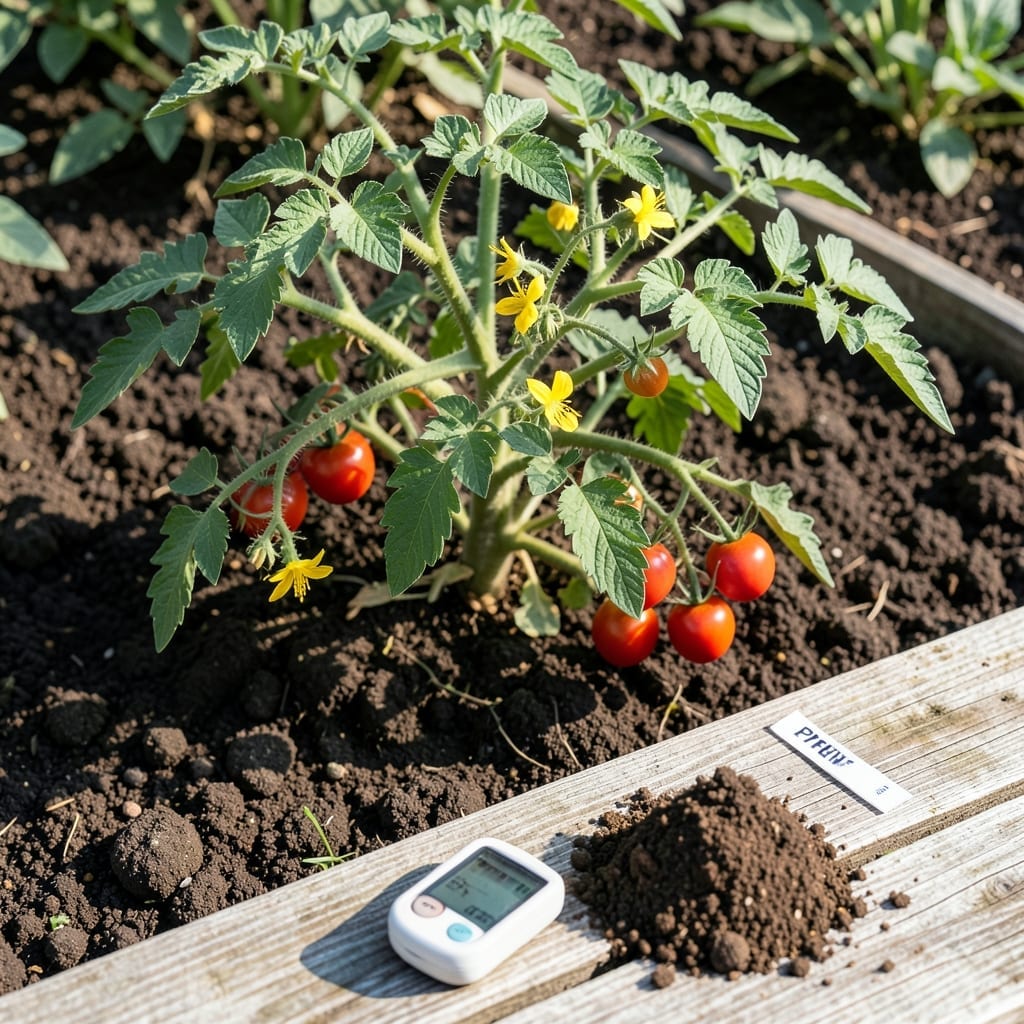
Tomatoes thrive when their soil pH hits the sweet spot, but get it wrong and you’ll face stunted growth or poor fruit production. I’ve learned the hard way that even small pH imbalances can make or break your 🍅 harvest.
Understanding the ideal range is the key to unlocking vibrant, healthy plants. Whether you’re a beginner or seasoned gardener, nailing this detail will transform your results.
Let me show you exactly what to aim for and how to achieve it. Your tomatoes will thank you with their best growth yet.
Getting the soil pH right is non-negotiable for thriving tomato plants. The optimal range is between 6.0 and 6.8, which is slightly acidic to neutral.
This range allows tomato roots to absorb essential nutrients like nitrogen, phosphorus, and potassium most efficiently. Go outside this range, and you risk nutrient lockout or toxicity.
| Requirement | Specification |
|---|---|
| Ideal pH Range | 6.0–6.8 |
| Soil Type | Slightly acidic to neutral |
| Key Nutrients | Nitrogen, phosphorus, potassium |
| Risk if Too Low | Aluminum toxicity, calcium deficiency |
| Risk if Too High | Iron, manganese deficiency |
If your soil is too acidic (below 6.0), tomato plants struggle to take up calcium and magnesium. This often leads to blossom end rot or yellowing leaves.
On the flip side, alkaline soil (above 7.0) can cause iron deficiency, resulting in pale leaves with green veins. Both extremes stunt growth and reduce fruit yield.
I always recommend testing your soil before planting. A simple pH test kit from your local garden center does the trick. If the pH is off, you can amend it with lime to raise it or sulfur to lower it.
For best results, test soil in early spring or fall. This gives you enough time to adjust the pH before planting season. Remember, changes take weeks to months to fully take effect.
Organic matter like compost helps buffer pH and improves overall soil health. I mix in 2-3 inches of compost every season to keep my tomato beds in top shape.
Consistent moisture is key too. Tomatoes hate dry spells followed by heavy watering. Aim for 1-2 inches of water per week, and always water at the base to avoid wetting the leaves.
With the right pH balance, your tomato plants will grow strong and productive, rewarding you with a bountiful harvest all season long 🌱
Testing your soil pH is the first step to ensuring your tomato plants thrive. I recommend using a DIY test kit or a digital pH meter for quick results at home.
For the most accurate reading, collect soil samples from 4-6 inches deep in your garden bed. Mix samples from different spots to get an average pH reading for the area.
If your soil is too acidic, apply garden lime at a rate of 5-10 lbs per 100 sq ft. Work it into the top 6 inches of soil for best results.
For alkaline soil, use elemental sulfur or peat moss to lower pH. Follow package instructions carefully, as too much can overcorrect the issue.
Remember, pH adjustments take time. It can take several weeks for lime or sulfur to fully alter soil pH, so plan ahead before planting season.
I also like to incorporate organic compost into my tomato beds each year. This not only helps maintain a balanced pH but also improves soil structure and fertility.
With the right pH, your tomato plants will absorb nutrients efficiently and reward you with healthy growth and a great harvest 🌱