
Beautiful Plants For Your Interior
Beautiful Plants For Your Interior
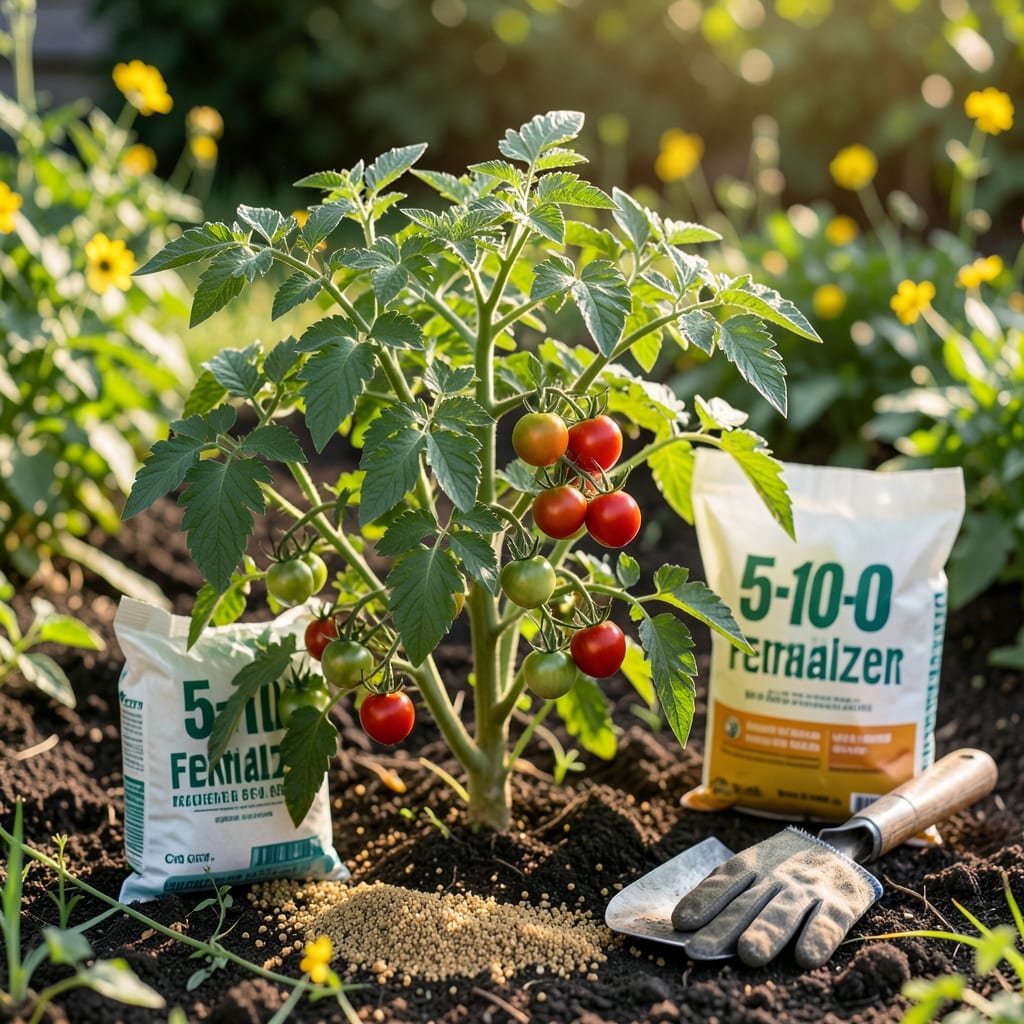
5-10-10 fertilizer is a balanced, all-purpose plant food ideal for promoting root development and early growth. It works well for leafy vegetables, lawns, and flowering plants needing moderate nitrogen with higher phosphorus and potassium.
I’ve seen this blend work wonders in my own garden, especially for establishing new flower beds and reviving tired lawns. Phosphorus gives roots that extra push to spread deep, while potassium strengthens stems against harsh weather. It’s my go-to for early spring feeding when plants need that energy boost to kickstart the growing season. 🌟
Just remember, it’s not ideal for heavy feeders like tomatoes or peppers that crave more nitrogen throughout their growth cycle.
💡 In This Article
The NPK numbers represent nitrogen, phosphorus, and potassium percentages by weight. In 5-10-10, the 5% nitrogen fuels leafy growth and green color through chlorophyll production. It’s less aggressive than higher-nitrogen blends, preventing excessive top growth that can weaken stems. This makes it perfect for plants needing steady, controlled foliage development. ✨
Phosphorus at 10% is the root and flower booster. It triggers cell division in roots, helping seedlings establish quickly. For flowering plants, it encourages more abundant blooms by supporting energy transfer during bud formation. The 10% potassium strengthens cell walls, improving drought resistance and disease tolerance. 🌟
This ratio creates a synergy where each nutrient supports the others. Nitrogen builds the plant’s “factory” (leaves), phosphorus creates the “engine” (roots), and potassium maintains the “infrastructure” (stems). For leafy greens like lettuce, the balanced approach prevents bolting while maintaining steady growth.
Soil tests reveal why this works so well: most garden soils already contain some nitrogen, but often lack sufficient phosphorus and potassium. The 2:1 ratio of P and K to N compensates for typical deficiencies while avoiding nitrogen overload. This explains its success with lawns, where root strength is crucial for withstanding foot traffic. ⚡
For comparison, a 10-10-10 would push more top growth, potentially at the expense of root development. The lower nitrogen in 5-10-10 makes it safer for young plants and established gardens where you want balanced, sustained growth rather than rapid but weak expansion.
I’ve watched this blend transform struggling rose bushes into vigorous plants with deeper green leaves and more abundant blooms. The key is its ability to support multiple growth aspects simultaneously without favoring one at the expense of others. 💫
Yes, it’s excellent for establishing new lawns. The higher phosphorus promotes strong root systems, while potassium helps grass withstand stress. Apply 2-3 pounds per 100 square feet before seeding or sodding.
It works well for leafy greens like lettuce or spinach. However, avoid it for heavy feeders like tomatoes or peppers, which need more nitrogen for fruit production.
Apply every 4-6 weeks during the growing season. Overuse can lead to nutrient imbalances, so always follow soil test recommendations. Water thoroughly after each application.
Yes, but use sparingly. Mix 1 tablespoon into potting soil at planting, then add 1 teaspoon monthly. Always water afterward to distribute nutrients evenly.