
Beautiful Plants For Your Interior
Beautiful Plants For Your Interior
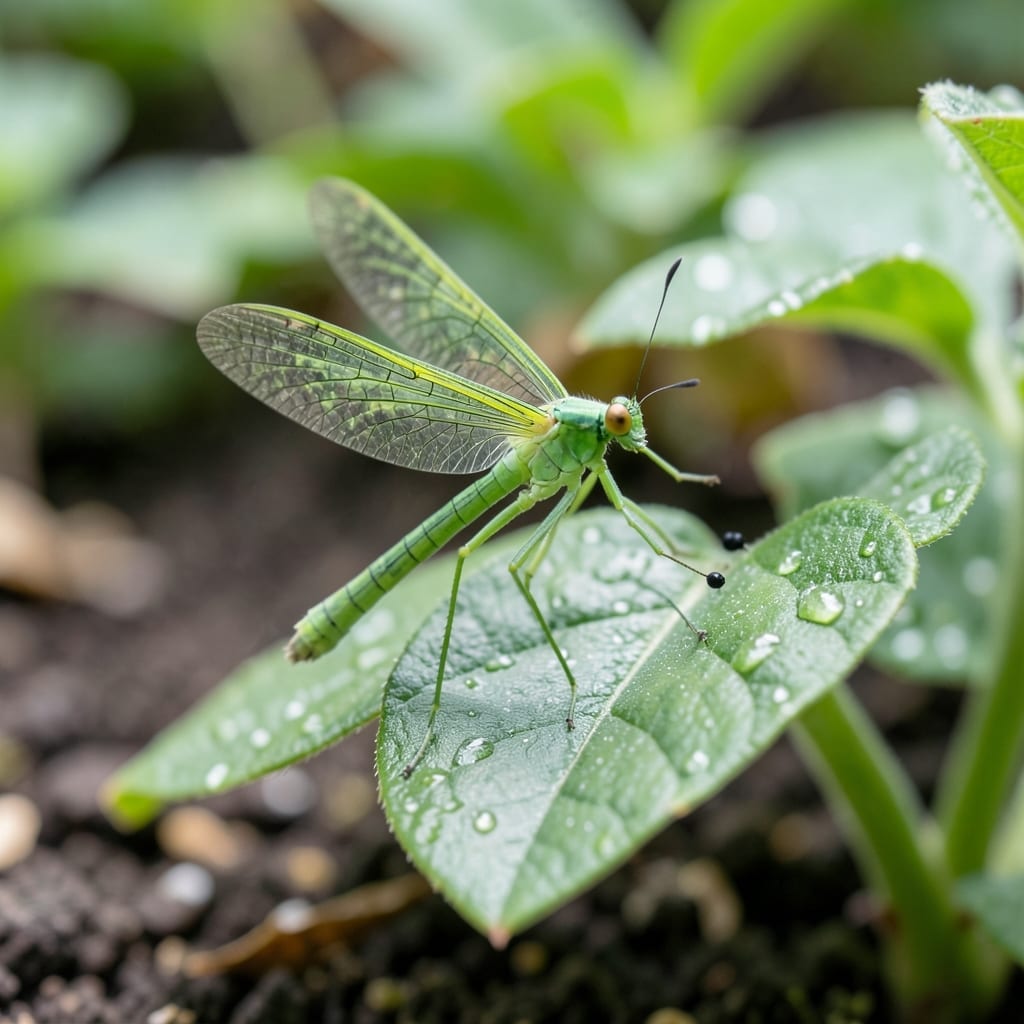
Those tiny black dots on your leaves aren’t dirt—they’re trouble. I’ve lost count of how many times I’ve mistaken pest eggs for soil splatter, only to watch my plants get devoured weeks later. Small black eggs usually mean aphids, whiteflies, or squash bugs, each leaving their own signature damage.
Here’s the thing—early detection saves your garden. Aphids cluster on new growth, whiteflies hide under leaves, and squash bugs target vines. Left unchecked, these hatch into hungry larvae that can strip a plant in days. The key is checking leaf undersides weekly.
I’ll be real with you: most gardeners miss the eggs until it’s too late. But with a handheld magnifier and this guide, you’ll spot them before they hatch. Prevention beats cure every time with pests this sneaky.
Works for vegetable gardens, container plants, and even houseplants. Let’s nail down which insect you’re dealing with.
Small black eggs in your garden or home often signal the presence of specific insects with unique reproductive habits. Understanding why these eggs appear can help you address the root cause effectively. Below are the primary reasons and the insects responsible.
Some beneficial insects, like mason bees or leafcutter bees, lay small black eggs in mud cells or leaf linings within cavities. These solitary bees are vital pollinators and typically nest in pre-existing holes in wood or stems. Their eggs are black for camouflage and protection against predators. If you notice these eggs in bee houses or natural crevices, it’s a sign of a healthy ecosystem at work.
Certain plant pests, such as aphids or scale insects, lay tiny black eggs on the undersides of leaves or along stems. These insects target plants to ensure their offspring have immediate access to food once they hatch. Overfertilization or excessive moisture can attract these pests, leading to infestations. Regularly inspecting your plants, especially the undersides of leaves, can help catch these early.
In homes, small black eggs may belong to cockroaches or carpet beetles. These insects seek sheltered, dark spaces like cracks, cabinets, or fabric fibers to lay their eggs. Poor sanitation, food debris, or stored fabrics can encourage their presence. Cockroach eggs, for example, are often found in clusters and can hatch quickly in warm, humid conditions.
In garden soil, fungus gnats or black soldier flies may lay small black eggs. These insects thrive in moist, organic-rich soil. Overwatering or decaying plant matter creates the perfect breeding ground. Fungus gnat eggs, for instance, are often laid near the soil surface and can lead to root damage as larvae feed on organic material.
If you’ve spotted small black eggs in your garden, quick action can prevent a full-blown infestation. Below are targeted solutions based on the most likely culprits, along with prevention tips to keep your plants safe.
Use a strong stream of water to dislodge aphid eggs from plant leaves. Repeat every few days to break their life cycle. For stubborn cases, apply neem oil or insecticidal soap directly to the affected areas. Prevention tip 💡: Encourage natural predators like ladybugs by planting marigolds or dill nearby.
Let the top layer of soil dry out between waterings to discourage fungus gnats. For black flies, set up yellow sticky traps near plants. A layer of sand or diatomaceous earth on the soil surface can also deter egg-laying. Prevention tip 💡: Avoid overwatering and use well-draining soil to make your garden less inviting.
Handpick and destroy beetle eggs (often found in clusters on undersides of leaves). Apply kaolin clay as a barrier to deter adults from laying more. Prevention tip 💡: Rotate crops annually and remove plant debris where beetles might overwinter.
Wipe leaves with a damp cloth to remove eggs, then spray with horticultural oil or a mite-specific insecticide. Prevention tip 💡: Increase humidity around plants, as spider mites thrive in dry conditions.
For all pests, regular inspection is key. Check the undersides of leaves and soil surfaces weekly to catch eggs early. A little vigilance goes a long way in keeping your garden healthy!
Check the undersides of leaves and along stems first. Aphids and scale insects often hide eggs there. Use a magnifying glass for tiny clusters near leaf veins or joints.
Most hatch within 3-10 days depending on temperature. Warmer conditions speed up the process. Fungus gnat eggs may hatch in just 4 days in moist soil.
No, some belong to beneficial insects like mason bees. Look for mud cells or leaf linings to identify these. Harmful eggs are usually on plant surfaces without protective structures.
Reduce excess moisture and remove plant debris regularly. Neem oil spray every 2 weeks deters many pests from laying eggs.