
Beautiful Plants For Your Interior
Beautiful Plants For Your Interior
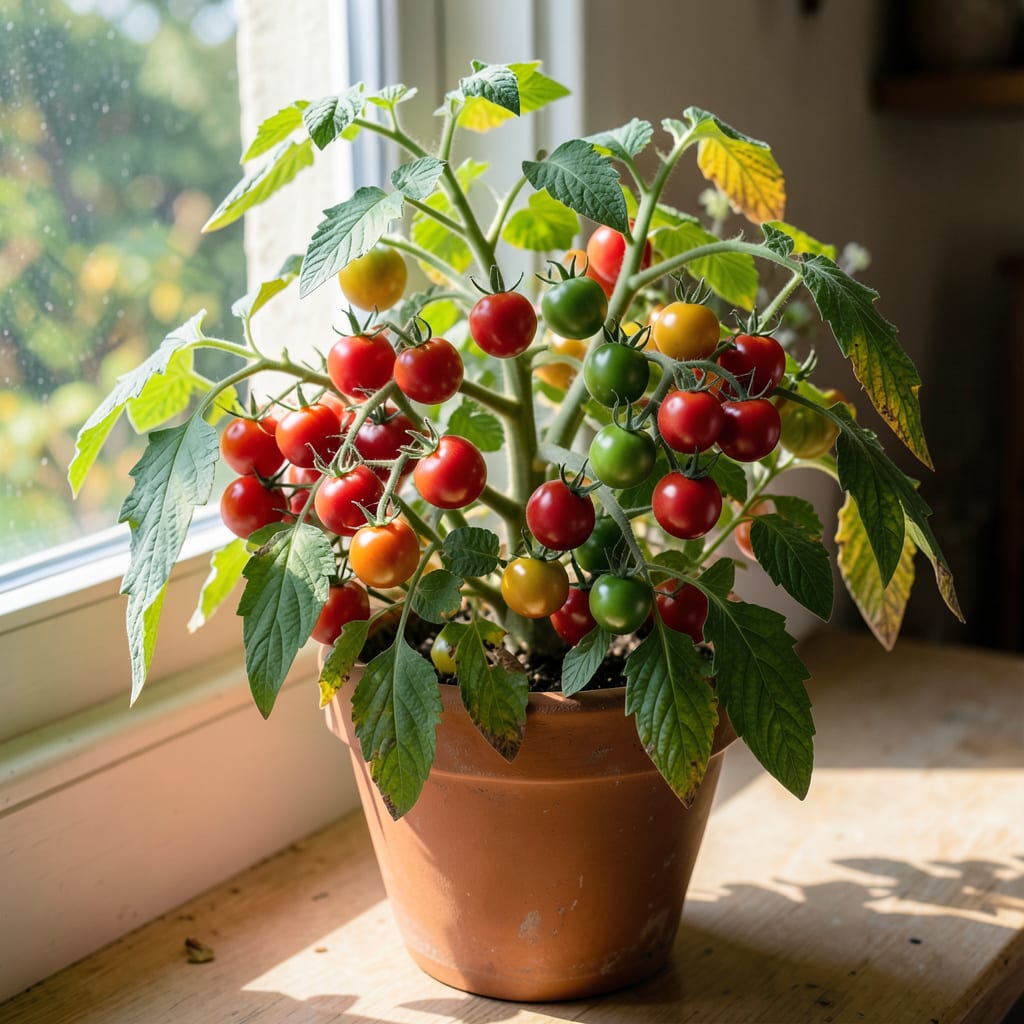
Yellow leaves on your cherry tomato plants aren’t just unsightly—they’re a distress signal. I’ve seen entire crops struggle because this warning sign went unnoticed for 48 hours too long.
Overwatering, nutrient shortages, or sneaky pests could be the culprit. The good news? Most causes are fixable with simple adjustments to your care routine. You don’t need fancy equipment—just sharp eyes and quick action.
Once you identify the issue, organic solutions can restore that vibrant green within a week. Healthy plants mean better yields, and catching problems early saves your harvest.
Works for container or in-ground plants, in any climate. Here’s how to diagnose and treat the issue effectively.
Yellowing leaves on your cherry tomato plants are a sign of stress, often tied to environmental, nutritional, or pathological issues. Here’s a breakdown of the most common causes and the science behind them:
Tomatoes are heavy feeders, and a lack of key nutrients can trigger chlorosis (yellowing). Nitrogen deficiency is a prime culprit—this mobile nutrient moves from older leaves to new growth when scarce, causing lower leaves to turn pale yellow first. Similarly, magnesium deficiency (critical for chlorophyll production) often appears as yellowing between leaf veins, starting in older foliage. A soil test can confirm imbalances; organic fixes include compost or Epsom salt (for magnesium).
Root health dictates leaf color. Overwatering suffocates roots, reducing oxygen uptake and nutrient absorption, while underwatering stresses the plant, halting chlorophyll synthesis. Check soil moisture 1–2 inches deep—it should feel like a wrung-out sponge. Consistency is key: use drip irrigation to avoid fluctuations.
Spider mites and aphids sap nutrients from leaves, causing stippling or uniform yellowing. Fungal diseases like early blight (Alternaria solani) create concentric yellow rings on lower leaves. For pests, spray with neem oil; for fungi, improve airflow and remove infected foliage immediately.
Extreme heat (above 90°F) or cold (below 50°F) disrupts photosynthesis. Sunburn can also scorch leaves, turning them yellow or brown. Use shade cloth in peak summer and row covers in cooler months to stabilize conditions.
Don’t panic—yellow leaves on your cherry tomato plant can often be reversed with the right care. Below are targeted fixes for the most common causes, along with prevention tips to keep your plant thriving.
If soggy soil is the culprit, stop watering immediately and let the top 1-2 inches of soil dry out. Check drainage: if water pools, repot in a container with holes or amend garden soil with compost. Water deeply but only when the soil feels dry at a finger’s depth. Prevention tip: Use a moisture meter or the finger test to avoid overwatering.
Yellowing at the bottom usually signals nitrogen deficiency. Apply a balanced organic fertilizer (like 5-5-5) or compost tea. For upper leaves turning yellow with green veins, suspect magnesium: sprinkle 1 tablespoon of Epsom salt per gallon of water around the base. Prevention tip: Test soil annually and fertilize every 3-4 weeks during growing season.
Inspect leaves for aphids, whiteflies, or fungal spots. Blast pests off with water or apply neem oil spray (1 tbsp oil + 1 tsp dish soap per gallon of water). For fungal issues (like early blight), remove affected leaves and treat with copper fungicide. Prevention tip: Space plants for airflow and avoid wetting foliage when watering.
Too much sun or cold temps can stress plants. Move potted plants to partial shade in extreme heat or use row covers for chilly nights. Ensure they get 6-8 hours of sunlight daily. Prevention tip: Harden off seedlings before transplanting to reduce shock.
Water when the top 1-2 inches of soil feel dry. Typically, this means every 2-3 days in hot weather, less in cooler months. Overwatering is a common cause of yellow leaves.
Nitrogen deficiency shows up first in older leaves, turning them pale yellow. Magnesium deficiency causes yellowing between leaf veins, usually in older foliage too.
Usually not. Once leaves turn yellow, they won’t recover. Focus on fixing the underlying issue to prevent new leaves from yellowing.
Check for tiny bugs or webbing (pests) or dark spots with yellow halos (disease). Neem oil works for pests, while copper fungicide treats fungal issues.
