
Beautiful Plants For Your Interior
Beautiful Plants For Your Interior
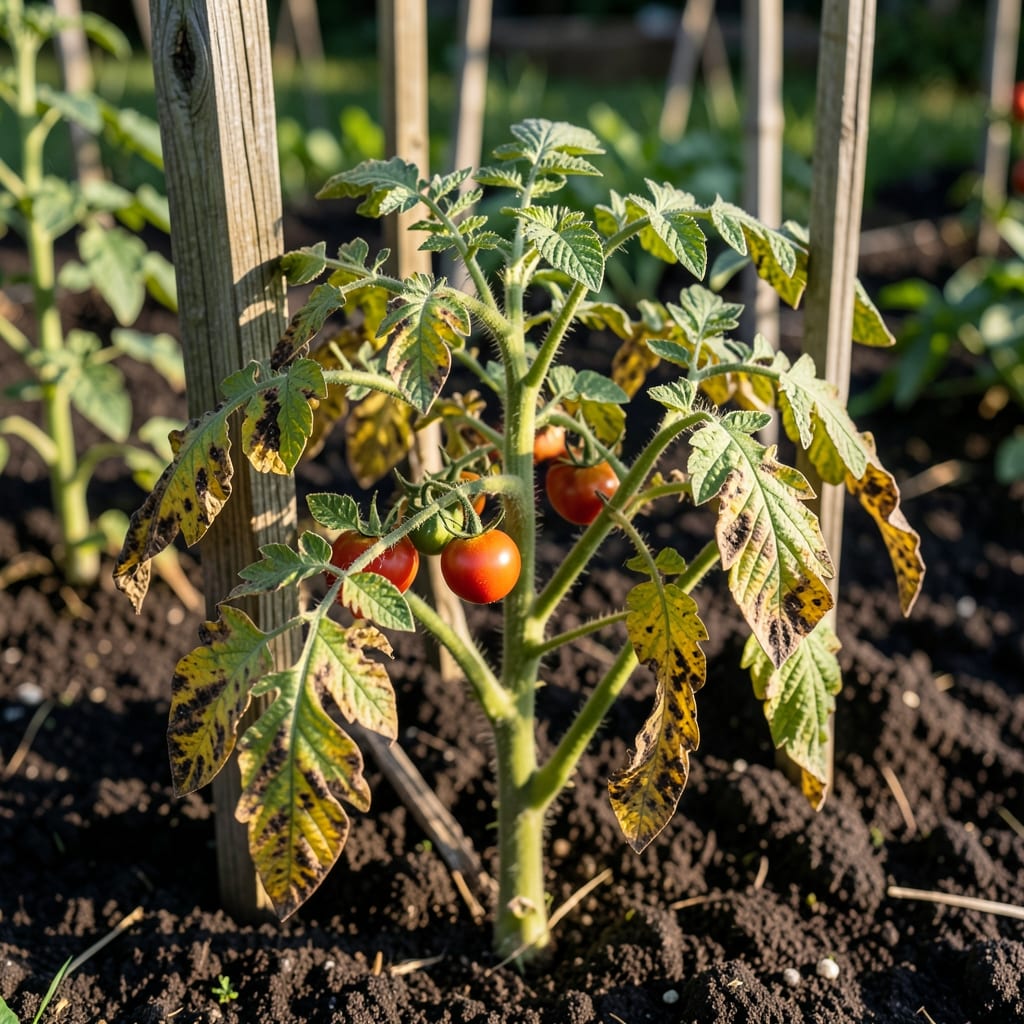
Brown spots on your tomato leaves aren’t just ugly—they’re often the first sign of trouble. 🌱 I’ve seen blight wipe out entire plants in 48 hours during wet summers, so catching it early is everything.
Look for dark, water-soaked patches on lower leaves first. Then check stems for brown lesions. The spots spread fast, turning leaves yellow and crispy before moving to fruit. It’s not pretty, but it’s treatable if you act.
Early morning inspections with a flashlight help spot symptoms before they explode. Remove affected leaves immediately and don’t compost them—that just spreads the problem.
Prevention is simpler than cure: space plants properly, water at soil level, and rotate crops yearly. These habits keep most gardens blight-free.
Tomato blight isn’t just bad luck—it’s often the result of specific environmental and biological factors. Understanding these causes can help you prevent outbreaks and protect your plants. Here’s a breakdown of the primary culprits:
Blight thrives in damp, stagnant conditions. The most common types—early blight (Alternaria solani) and late blight (Phytophthora infestans)—spread rapidly when leaves stay wet for extended periods. Overhead watering, high humidity, or crowded plantings create the perfect breeding ground. Actionable fix: Water at the soil level (not the leaves) early in the day, and space plants to improve airflow.
Late blight, in particular, flourishes in cool (50–78°F / 10–26°C) and wet conditions, while early blight prefers warmer weather (75–85°F / 24–29°C). Sudden temperature swings or prolonged cool, wet spells can trigger outbreaks. Actionable fix: Use row covers to moderate temperature and reduce leaf wetness during vulnerable periods.
The blight pathogens overwinter in soil, fallen leaves, or unharvested fruit. If you plant tomatoes in the same spot year after year without rotating crops, spores can reactivate and infect new plants. Actionable fix: Rotate crops (avoid planting tomatoes or potatoes in the same area for at least 3 years) and remove all plant debris after harvest.
Blight can hitch a ride on unclean garden tools, stakes, or even infected seed potatoes or transplants. Using non-sterilized tools to prune or stake plants spreads the fungus from one plant to another. Actionable fix: Disinfect tools with a 10% bleach solution or rubbing alcohol between uses, and source seeds from reputable, disease-free suppliers.
Once you’ve identified tomato blight in your garden, act fast to stop it from spreading. Here’s how to tackle the most common types with practical, easy-to-follow fixes.
If you spot brown concentric rings on lower leaves, prune infected foliage immediately and destroy it (don’t compost!). Rotate crops next season—avoid planting tomatoes or related crops (like potatoes or peppers) in the same spot. Prevention tip 💡: Use mulch to prevent soil-born spores from splashing onto leaves during watering.
For dark, greasy spots that spread quickly in wet weather, apply copper-based fungicides at the first sign. Improve airflow by staking or caging plants and spacing them 2-3 feet apart. Prevention tip 🌡️: Water at the base of the plant (not overhead) to keep leaves dry, and avoid working in the garden when plants are wet.
Tiny gray or white spots with dark edges call for removing infected leaves and disinfecting tools with a 10% bleach solution. Thin out dense foliage to boost circulation. Prevention tip ✨: Choose resistant tomato varieties like ‘Mountain Merit’ or ‘Defiant’ for future plantings.
General defense: Always start with healthy seeds or seedlings, and keep your garden clean of debris where fungi can overwinter. A little vigilance goes a long way!
Not always—brown spots can also come from pests, nutrient deficiencies, or sunburn. Blight spots often have concentric rings or a water-soaked look and spread rapidly. When in doubt, check the stems for lesions too.
In warm, wet conditions, blight can move from a few leaves to the entire plant in 24-48 hours. Late blight is especially aggressive, often killing plants within a week if untreated. Act at the first sign!
For early stages, remove infected leaves and apply fungicide. Severe cases often require pulling the plant to protect others. Never compost blighted material—it spreads spores.
Yes, spores overwinter in soil and debris. Rotate crops, remove all plant material, and avoid planting tomatoes in the same spot for 3 years. Clean tools and stakes too.