
Beautiful Plants For Your Interior
Beautiful Plants For Your Interior
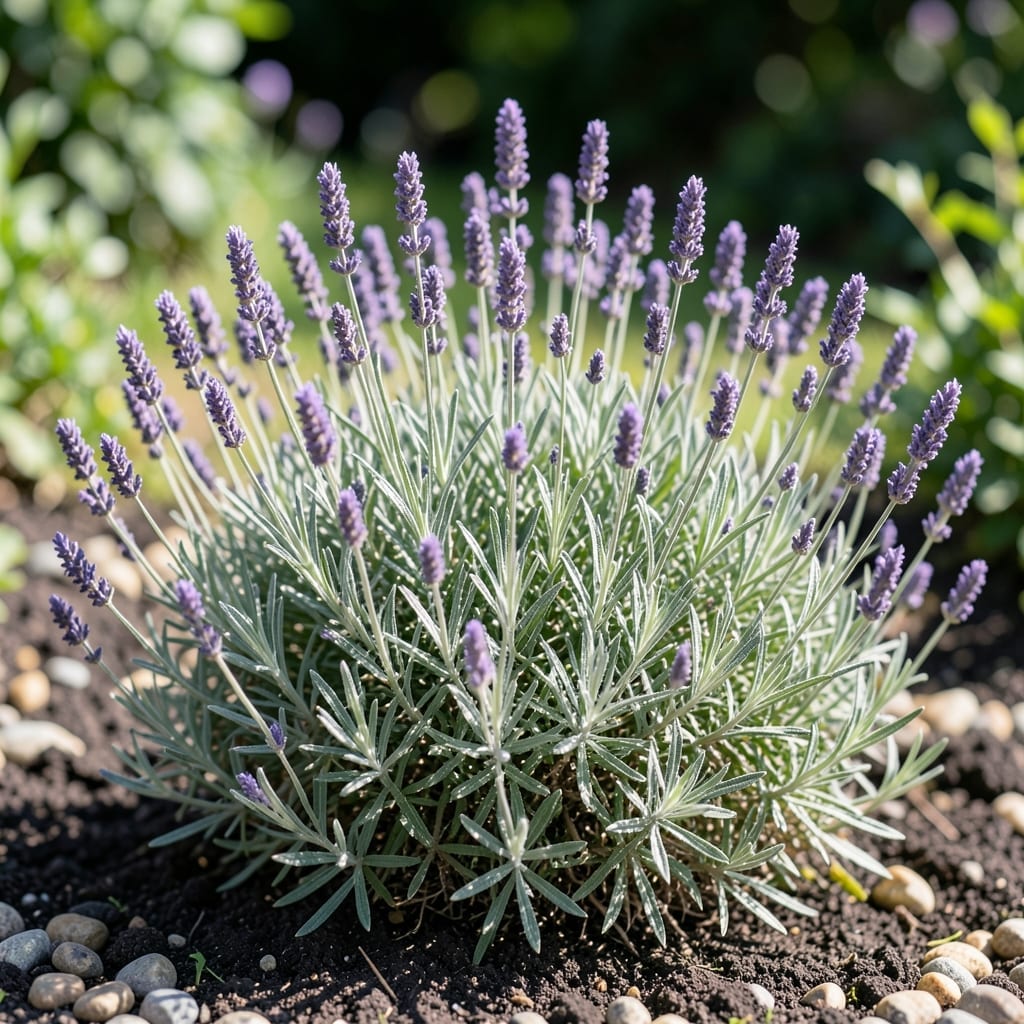
Yellow leaves and drooping stems aren’t always thirst signals. Lavender hates wet feet, and I’ve watched too many plants suffer from kindness rather than neglect.
Overwatering shows up as yellowing lower leaves first, then wilting that doesn’t improve with more water. The stems may turn mushy at the base, and the soil stays soggy days after watering. It’s root rot in disguise.
Here’s the thing—lavender thrives on neglect. These Mediterranean natives evolved to survive drought, not swamps. The fix involves less water, better drainage, and sometimes a soil swap to save the plant.
Catch it early and your lavender can bounce back. Wait too long and you’re shopping for replacements. Let’s spot the warning signs before it’s too late.
Overwatering lavender is often a result of misunderstanding its natural habitat and care needs. This Mediterranean native thrives in dry, well-draining conditions, so excessive moisture disrupts its biology. Below are the most common causes:
Lavender requires infrequent, deep watering—only when the top 1-2 inches of soil are completely dry. Frequent shallow watering keeps roots near the surface, making them more susceptible to rot. The plant’s drought-tolerant nature means it stores water efficiently, so overzealous watering overwhelms its system.
Lavender hates soggy roots. Heavy or compacted soil, lack of drainage holes in pots, or saucers that trap water create a suffocating environment. Without proper drainage, water pools around the roots, cutting off oxygen and promoting fungal growth like Phytophthora, which causes root rot.
Using non-porous containers (e.g., plastic without drainage) or dense, moisture-retentive soil (like clay or peat-heavy mixes) traps water. Lavender needs sandy, gritty, well-draining soil to mimic its arid native conditions. Even in the ground, amending with perlite or sand can prevent waterlogging.
Wetting the foliage—especially in humid climates—invites fungal diseases like leaf spot or botrytis. Lavender’s fine hairs (trichomes) are adapted to reduce water loss, not to handle excess moisture. Always water at the base to keep leaves dry.
If your lavender is showing signs of overwatering, act quickly to revive it. Here’s how to address each issue and prevent future problems.
If the leaves are turning yellow, your plant is likely sitting in soggy soil. Stop watering immediately and check the drainage. Repot the lavender in a well-draining mix (add perlite or sand) and ensure the pot has drainage holes. Place it in a sunny spot to help the soil dry out faster.
Prevention tip: 💡 Water only when the top 1-2 inches of soil are completely dry. Lavender thrives on neglect!
Wilting or drooping stems often mean root rot from excess moisture. Trim away any mushy, dark roots with clean scissors, then repot in fresh, dry soil. Hold off on watering for a few days to let the roots recover.
Prevention tip: ✨ Use a terracotta pot—it wicks away moisture better than plastic.
White mold or black spots on leaves signal fungal growth from humidity. Remove affected leaves and move the plant to a breezy location. Avoid overhead watering to keep foliage dry.
Prevention tip: 🌡️ Space plants apart to improve air circulation and water at the base.
With these fixes, your lavender should bounce back in a few weeks. Remember: Less water = happier lavender!
Water only when the top 1-2 inches of soil are completely dry. This usually means every 2-3 weeks, depending on your climate. Lavender thrives on neglect and prefers dry conditions.
Yellowing leaves often signal excess moisture and poor drainage. This disrupts the plant’s ability to absorb nutrients, leading to stress and discoloration. Check your watering habits first.
Yes, if caught early. Trim away any mushy, dark roots and repot in fresh, dry soil. Stop watering for several days to let the plant recover. Prevention is key with proper drainage.
Use a sandy, gritty mix that drains quickly. Amend garden soil with perlite or coarse sand to improve drainage. Avoid dense, moisture-retentive soils that trap water.