
Beautiful Plants For Your Interior
Beautiful Plants For Your Interior
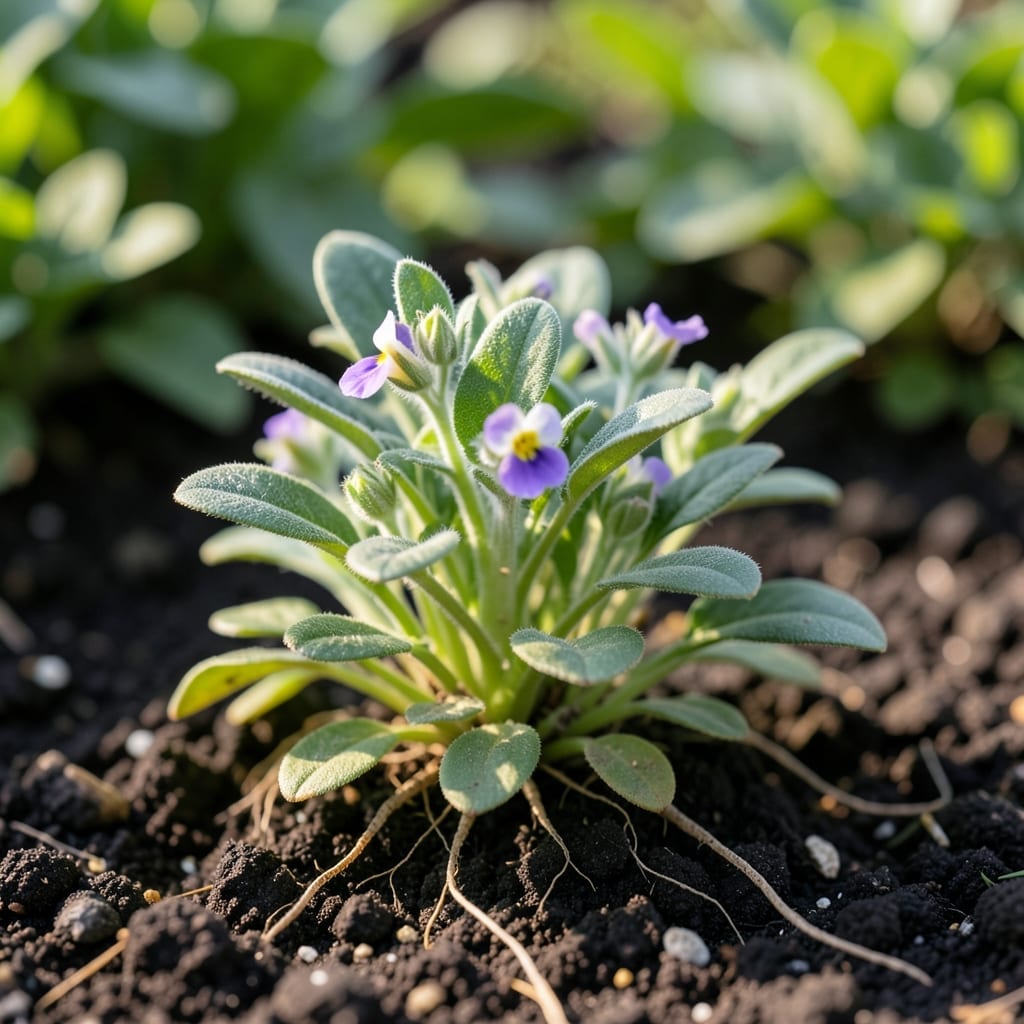
First time growing Johnny Jump Ups? These tiny seedlings are easy to miss among other sprouts. They emerge with delicate, heart-shaped leaves that look almost too fragile to be real.
At 2-3 weeks, you’ll notice the true leaves forming in pairs, each no bigger than a dime. The stems stay slender and slightly fuzzy, while the foliage carries a soft, velvety texture.
What sets them apart is the subtle silver-green veining on the leaves. By 4 weeks, the first hints of purple may appear at the leaf edges—your sign they’re healthy and growing strong.
Spot them early, and you’ll have vibrant blooms in just 6-8 weeks. The key is patience and a sharp eye for those first true leaves.
Johnny Jump Up (Viola tricolor) seedlings can look different based on several key factors. Understanding these causes helps gardeners identify healthy growth and troubleshoot issues early.
As a wildflower, Johnny Jump Ups naturally exhibit variation in seedling appearance. Genetic differences within the species can lead to subtle differences in leaf shape, color, or growth patterns. Some seedlings may have broader cotyledons (first leaves), while others display narrower or slightly serrated edges. This diversity is normal and doesn’t indicate poor health.
Light intensity directly affects seedling morphology. Seedlings grown in low light often appear leggy, with elongated stems and pale, thin leaves as they stretch toward the light source. Conversely, those under bright, direct light develop compact, sturdy stems and darker green foliage. If your seedlings look sparse or weak, increasing light exposure (e.g., with grow lights) can restore vigor.
Temperature influences growth speed and leaf development. Cooler conditions (50–60°F) may slow germination, resulting in smaller, slower-growing seedlings. Warmer temperatures (70–75°F) accelerate growth but can also cause stress if combined with inadequate moisture. Seedlings exposed to inconsistent temperatures may develop unevenly, with some leaves appearing larger or more mature than others.
Overwatering or underwatering can distort seedling appearance. Soggy soil leads to yellowing leaves or damping-off disease, while dry conditions cause wilting or curled edges. Nutrient deficiencies (e.g., nitrogen) may result in pale or stunted growth. Ensure well-draining soil and a balanced, diluted fertilizer to support uniform development.
If your Johnny Jump Up seedlings don’t match the expected appearance, here’s how to troubleshoot and correct common problems:
Fix: Move them to a sunnier spot or use a grow light for 12–14 hours daily. If they’re already stretched, gently bury the stems deeper in the soil to encourage root growth.
Prevention: Start seeds in bright, indirect light and avoid overcrowding, which causes competition for light.
Fix: Check soil moisture—overwatering or underwatering can stress seedlings. Let the top inch of soil dry between waterings. If the issue persists, test for fungal diseases and treat with a natural fungicide.
Prevention: Use well-draining soil and water at the base to keep foliage dry. 💡 Pro Tip: A small fan can improve air circulation and reduce disease risk.
Fix: Spray aphids off with water or use insecticidal soap. For slugs, set up beer traps or organic slug bait. Remove heavily damaged seedlings to prevent infestations from spreading.
Prevention: Inspect plants regularly and introduce beneficial insects like ladybugs. Keep the garden area clean of debris where pests hide.
Fix: Ensure seeds are sown just beneath the soil surface (they need light to germinate). If the soil is cold, use a heat mat to maintain 65–70°F.
Prevention: Use fresh seeds (Johnny Jump Ups lose viability after 2–3 years) and keep the soil consistently moist but not soggy.
With these adjustments, your seedlings should thrive and display their characteristic heart-shaped leaves and vibrant purple, yellow, or white blooms! 🌸
At first sprout, they’re tiny—just 1-2 mm with two rounded cotyledons. These initial leaves are pale green and smooth, unlike the true leaves that follow.
True leaves emerge at 2-3 weeks, showing the signature heart shape. They’re slightly fuzzy and have subtle silver veining, growing in pairs.
Leggy seedlings result from insufficient light. Move them to brighter conditions or use a grow light for 12-14 hours daily to encourage compact growth.
Yes! Early on, they resemble small clover. Check for the velvety texture and paired heart-shaped leaves to confirm they’re Johnny Jump Ups.