
Beautiful Plants For Your Interior
Beautiful Plants For Your Interior
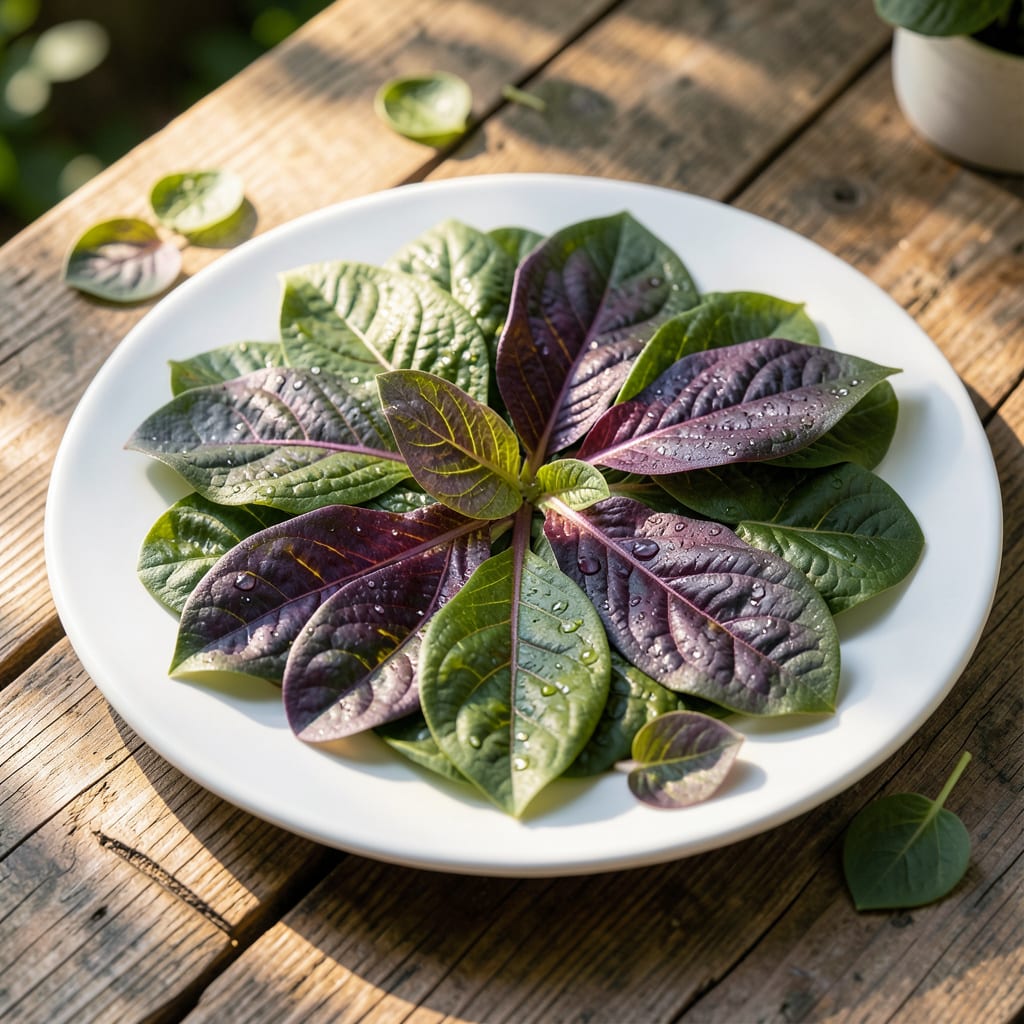
I fell for Johnny Jump Ups the moment I saw their heart-shaped leaves dancing in the breeze. These plants don’t just bloom—they create a living carpet of vibrant green that makes any garden bed pop.
The leaves are the secret weapon: they form a dense, lush base that keeps weeds down and soil cool. With the right care, you’ll get both foliage and flowers that keep coming back, season after season.
📚 In This Guide
Here’s how I grow these cheerful plants to maximize their colorful leaves and garden impact.
Johnny Jump Ups thrive in partial shade to full sun, but for the most vibrant foliage, I prefer a spot with morning sun and afternoon shade. This balance keeps the leaves lush without scorching them in intense heat. Avoid deep shade—without enough light, the plants grow leggy and the leaves lose their rich color.
Test your location by observing the light patterns for a few days. If the area gets 4-6 hours of sunlight daily, it’s ideal. The soil should be well-draining to prevent waterlogging, which can cause yellowing leaves and root rot.
Work the soil to a depth of 8-10 inches, breaking up any clumps and removing debris. Johnny Jump Ups aren’t fussy, but they perform best in soil enriched with compost or aged manure. I mix in a 1-2 inch layer of organic matter to improve fertility and drainage.
The soil pH should be slightly acidic to neutral (6.0-7.0). If you’re unsure, a simple soil test kit will confirm. Loosen the soil thoroughly so roots can spread easily—compacted soil stunts growth and dulls leaf vibrancy.
Sow seeds directly in the garden after the last frost, pressing them lightly into the soil without covering them—they need light to germinate. For transplants, dig holes just deep enough to accommodate the root ball. Space plants 6-8 inches apart to allow airflow and prevent disease.
If you’re planting in containers, use pots at least 6 inches deep with drainage holes. Fill with a quality potting mix and water lightly after planting. The leaves will start showing their true color once the plants establish, usually within 3-4 weeks.
Keep the soil consistently moist but not soggy, especially during the first few weeks. Water at the base to avoid wetting the leaves, which can lead to fungal issues. Once established, Johnny Jump Ups are fairly drought-tolerant, but regular watering keeps the foliage vibrant.
Feed lightly with a balanced, water-soluble fertilizer every 4-6 weeks during the growing season. I use half the recommended strength to avoid over-fertilizing, which can cause excessive leaf growth at the expense of flowers. Watch for deep green, healthy leaves as a sign you’re on the right track.
Deadhead spent flowers regularly to encourage the plant to put energy into leaf production rather than seed formation. This also keeps the plant looking tidy and prolongs its vibrant display. Pinch back leggy stems to promote bushier growth and more foliage.
If the leaves start to look dull or yellow, check for pests like aphids or signs of overwatering. A quick trim of damaged leaves often revives the plant. With proper care, your Johnny Jump Ups will reward you with a cascade of colorful foliage that brightens any garden corner.
These practical insights will help you grow the most vibrant foliage possible.
The Light Factor: The 4-6 hours of sunlight mentioned in Step 1 is non-negotiable for rich leaf color. I learned this the hard way after planting some in deep shade—they grew tall and spindly with pale leaves. Morning sun with afternoon shade gives you that perfect balance without the scorch risk.
Soil Depth Secret: When preparing your soil in Step 2, don’t skimp on the 8-10 inch depth. Shallow soil preparation leads to weak root systems that can’t support vibrant foliage. I also add that 1-2 inch layer of compost religiously—it makes a noticeable difference in leaf intensity.
Spacing Matters: The 6-8 inch spacing in Step 3 isn’t just about disease prevention. Crowded plants produce smaller, less colorful leaves as they compete for resources. I mark my spacing with a ruler when planting to ensure consistency.
Feeding Schedule: That 4-6 week fertilizer interval in Step 4 is the sweet spot. I set calendar reminders because it’s easy to forget. Over-fertilizing leads to lots of green growth but dulls those beautiful variegated patterns we love in Johnny Jump Up leaves.
Yes! Johnny Jump Up leaves (Viola tricolor) are edible and often used in salads or as garnishes. They have a mild, slightly peppery flavor. Always ensure they’re grown without pesticides before consuming.
Keep the soil moist but well-drained, and place them in partial shade to full sun. Deadhead spent blooms to encourage more foliage and flowers. They thrive in cooler temperatures.
Plant them in early spring or fall for the best results. They prefer cooler weather and can even bloom lightly in mild winters.
Absolutely! Use a well-draining potting mix and ensure the container has drainage holes. They’re perfect for adding color to patios or balconies.
Yellowing leaves may indicate overwatering, poor drainage, or nutrient deficiencies. Check soil moisture and fertilize lightly if needed. Avoid soggy conditions.
